The Trump administration has expanded its travel restrictions, adding Tonga and 14 other countries to a list of nations facing partial entry bans.
The move follows a warning issued in June that countries failing to address security and documentation concerns could face restrictions.
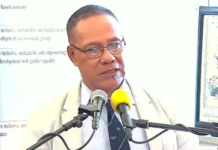
At the time, then-Prime Minister Dr ‘Aisake Eke described the travel ban warning he received from the United States as ‘shocking.’ He said the notice was forwarded to Crown Prince Tupouto‘a and the Ministry of Foreign Affairs. His comments indicated that the Prime Minister’s Office did not play an active role in the response process.
On Tuesday, U.S. officials confirmed that citizens from Burkina Faso, Mali, Niger, South Sudan, and Syria will face full entry bans, while individuals holding Palestinian Authority-issued travel documents are also prohibited from entering the United States.
Partial restrictions will apply to travellers from 15 countries, including Tonga, alongside Angola, Antigua and Barbuda, Benin, Côte d’Ivoire, Dominica, Gabon, Gambia, Malawi, Mauritania, Nigeria, Senegal, Tanzania, Zambia, and Zimbabwe.
The administration said the decision was based on concerns over “widespread corruption, fraudulent or unreliable civil documents, and criminal records” that complicate vetting processes.
READ MORE:
- ANALYSIS Trump’s travel ban memo exposes Tonga’s weak governance and passport scandal
- US issues latest warning to Tonga; fix passport system now or face travel ban – PM confirms response is coming
- Trump weighs travel ban against Tonga amid document fraud, visa overstay problems
Officials also cited high rates of visa overstays, refusal to accept deportees, and “general lack of stability and government control” as contributing factors
The latest update follows intense debate within Tonga’s online community, where concerns have grown among the nation’s nearly 80,000 Tongans living in the United States, as the June warning could impact their situation.
The expanded travel ban reflects ongoing efforts by the Trump administration to tighten immigration controls and enhance national security.
Critics argue the policy disproportionately affects developing nations and could strain diplomatic relations, while supporters maintain it is necessary to safeguard U.S. borders and prevent security risks.