By 1News Reporters and is republished with permission
Cocaine use has hit an all-time high in New Zealand, exceeding MDMA consumption for the first time, according to new wastewater testing data.
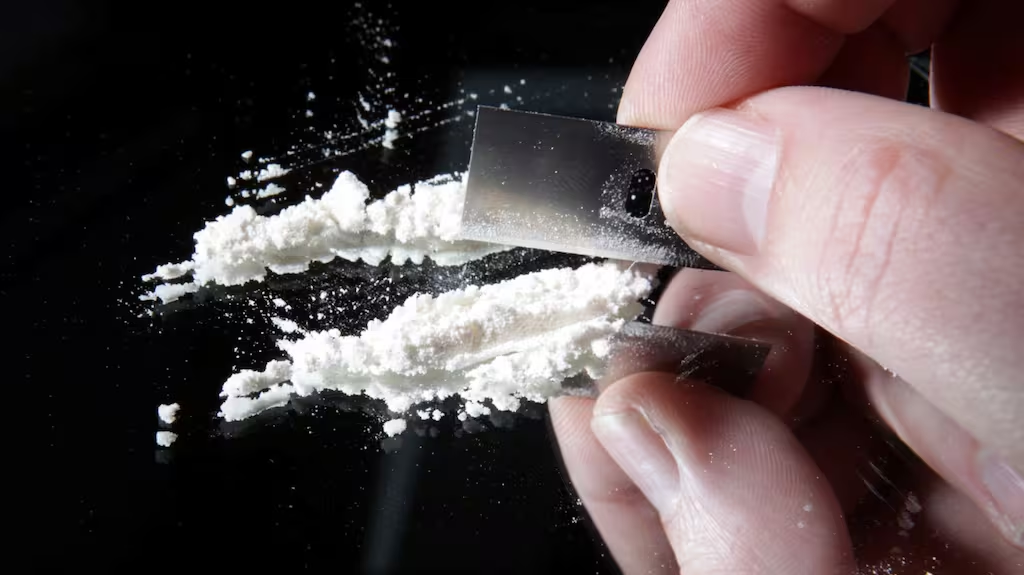
The data, released by police on Monday, showed a surge in cocaine consumption in the last quarter of 2025.
An estimated average of 9.4kg of cocaine was consumed nationwide each week, according to results from all locations tested. This was 98% more than the average quantity consumed over the previous four quarters.
All districts in the country recorded higher-than-usual cocaine use over those four quarters.
Meanwhile, methamphetamine use averaged an estimated 34.7kg per week, around 8% higher than the previous four quarters
Record levels of cocaine use detected in wastewater testing
Recreational Class A drug overtakes MDMA has the high of choice in the last quarter of 2025.
Record levels of cocaine use detected in wastewater testing2:19
Recreational Class A drug overtakes MDMA has the high of choice in the last quarter of 2025. (Source: 1News)
NZ Drug Foundation executive director Sarah Helm said the new data was more evidence that our approach to drugs was not working.
‘Prices down, harm increasing’
“The dramatic increases in methamphetamine and cocaine consumption over the last two years are unprecedented,” she said.
“A long-term under-investment in treatment and harm reduction, coupled with an over-reliance on supply side measures hasn’t worked. Consumption is at record levels, drug use is diversifying, prices are down, harm is increasing, and new potent drugs are arriving.”
Helm said every indicator was “screaming at us to change our approach”, although she acknowledged the Government’s recent Action Plan to Prevent and Reduce Substance Harm would go some way in responding to the increase in harm.
“If we could wave a magic wand, we would do two things: Vastly increase the spending on addiction treatment and harm reduction, and change our drug laws,” she said.
“While these things won’t remove all problems, the evidence is clear that it would reduce the worst harms and provide us with more tools to tackle the increase in harm. But if we continue doing more of the same, things will continue to get worse.”
Per capita, cocaine use was highest in the Bay of Plenty police district, while methamphetamine was highest in the Northland police district . The Southern district had the highest MDMA consumption.
Wastewater testing occurred for one week each month across the country, with drug use calculated from the concentration of each biomarker detected.
Nationwide testing began in November 2018, with current testing sites covering up to 77% of New Zealand’s population.
Nearly 180kg of cocaine seized in last quarter of 2025

Nearly 180kg of cocaine was reported seized by Customs between October and December 2025 – 107kg at the Port of Tauranga.
In late October, Customs found 35kg of cocaine branded with the Lacoste logo in a shipping container at Dunedin’s Port Chalmers.
An unsuspected worker found 36kg of cocaine stashed inside a container carrying legitimate goods at an Auckland business on November 3.
Two seizures of cocaine totalling an estimated 33kg were seized from in refrigerated containers at the Port of Tauranga on November 20.
In early December, Customs officers at the Port of Tauranga intercepted an estimated 45kg of cocaine – with an estimated street value of $15.75 million – during routine inspections.
The bricks featured various brandings, including Volvo, Porsche, and an image of a hamster wearing a crown.
On Boxing Day, an estimated 8kg of cocaine was uncovered alongside 10kg of methamphetamine in a shipping container at the Port of Tauranga.
Last last year, the Government announced maritime operations led by Customs, the New Zealand Defence Force, and the Government Communications Security Bureau to disrupt drug networks in the Pacific region.
The operations aimed to detect, deter, and disrupt drug shipments originating from Central and South America destined for New Zealand and Pacific nations.