
Auckland — A new doctoral research has brought renewed attention to the experiences of Tongan women involved in kava-related practices, exposing how cultural shifts and commercialisation have placed women tou’a at risk of abuse, sexual objectification, and social disrepute.
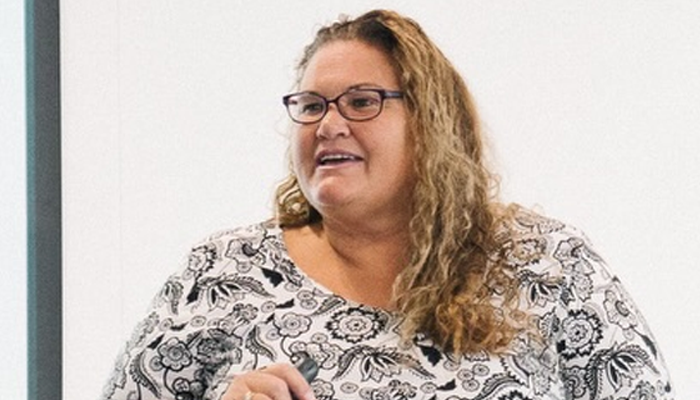
Dr Hilda Port’s PhD research, titled How Do Evolving Kava‑Related Practices Impact the Role of Tongan Women Living in Aotearoa?, examines the views of Tongan women on kava and provides insight into how traditional practices are changing within New Zealand’s Tongan diaspora.
Her research contributes significantly to the existing body of knowledge on kava by amplifying female voices—voices that have long been marginalised in discussions dominated by male-centred narratives.
While kava is widely regarded as a cornerstone of Pacific cultural life—celebrated for its spiritual, social, and communal value—the research shows that evolving practices have created troubling consequences for women, particularly those serving as tou’a.
Using a kakala research framework, grounded in Pacific worldviews, Port employed qualitative methods including talanoa and tauhi vā to gather deeply personal accounts from participants.
These approaches prioritised relationships, mutual respect, and cultural integrity, creating safe spaces for women to share experiences that are often silenced due to cultural sensitivities and stigma.
“Women’s experiences with kava have largely been shaped by others speaking on their behalf, rather than by the women themselves,” Port, who is of Tongan heritage, said.
“This research seeks to change that.”
Participants described positive experiences when traditional cultural protocols were properly observed.
In these spaces, the tou’a role was described as one of honour and respect, in which women felt valued for their service and contributions to the cultural setting.
Several women shared that when kava ceremonies adhered to customary standards—such as clear leadership, respectful conduct, and appropriate boundaries—the role of the tou’a strengthened community cohesion rather than undermining it.
Challenging Male‑Only Kava Narratives
The research also challenges long-held assumptions that kava is a male-only practice.
Both female and male participants acknowledged the physical, spiritual, and mental health benefits of kava consumption for women, reinforcing the notion that women’s participation is not only legitimate but culturally grounded.
However, the research reveals a stark contrast when cultural protocols are weakened or ignored—particularly when tou’a are paid in informal or commercial settings.
Dr Port’s findings show that monetisation of the tou’a role, combined with the erosion of traditional safeguards, has contributed to inappropriate relationships and sexual objectification.
In some cases, women were placed in vulnerable positions where boundaries were blurred, and their dignity compromised.
As a result, the tou’a role—once considered honourable—has, in some contexts, become associated with disrepute, devaluation, and moral judgement within the wider community.
Participants spoke candidly about their fears for young women entering these spaces, expressing concern about exploitation, lack of protection, and the social stigma that follows.
Calls for Education and Protection
A consistent theme across the research was the urgent need for education—for both men and women—about the cultural significance of the tou’a role and the evolving place of women in KRP.
Port argues that education is key to reshaping attitudes that continue to portray women as decorative or subordinate in kava settings.
Women in the study made it clear they will not allow themselves to be devalued or excluded from KRP, asserting agency and challenging narratives that limit their role to service and appearance.
Port says her research highlights serious concerns about how girls who take on the role of tou’a are treated within the community, including in cases of sexual abuse.
She notes that one participant faced community disapproval after being sexually assaulted, rather than receiving support. This response, she says, has had lasting effects, with around 70 percent of participants saying they would not want their daughters to become tou’a.
Port argues the findings expose deep‑rooted attitudes and pressures surrounding the role, and point to an urgent need for open discussion and action to better protect and support young women.