The Ministry of Health has confirmed three cases of dengue fever in Tonga, prompting heightened surveillance and public health measures across the country.
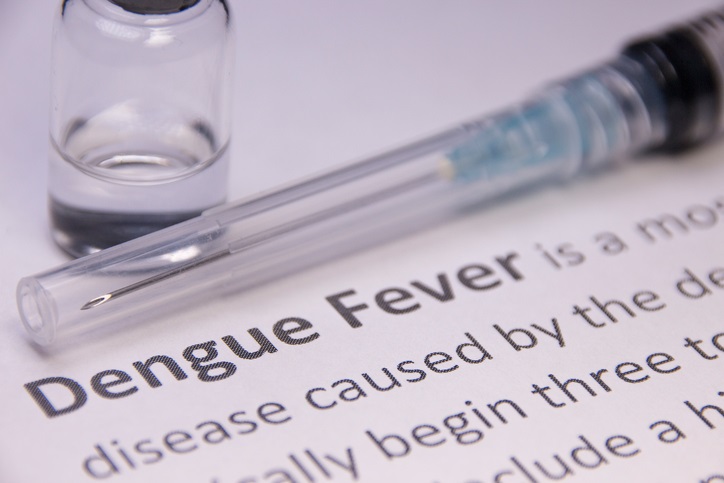
Dengue fever is contagious and spreads from person to person through the bite of infected mosquitoes, the Ministry said this evening.
Members of the public are urged to familiarise themselves with the symptoms and seek immediate medical attention if they develop signs of the illness.
Symptoms may include sudden onset fever, severe headaches, pain behind the eyes, joint and muscle pain, nausea, vomiting, swollen glands, and a skin rash appearing three to four days after fever begins.
Severe symptoms — such as abdominal pain, bleeding gums, vomiting blood, or other forms of bleeding — require urgent medical attention.
Cases Identified Across Tongatapu
In a press release issued on Tuesday, 8 April 2026, the Ministry said the cases were identified in Tongatapu, involving a 15‑year‑old and a 35‑year‑old male from Fua‘amotu, and a 12‑year‑old female from Ha‘aveluloto. Health authorities reported that no epidemiological link has been established between the three cases.
Diagnoses were confirmed through positive blood tests conducted by the Pacific Regional Direct Funding (PRDF) laboratory, alongside clinical symptoms consistent with dengue fever.
The Ministry said the two male patients were admitted to Vaiola Hospital, with one already discharged, while the remaining two patients are currently receiving home‑based treatment. All three are reported to be in stable condition.
The Ministry warned that the onset of the dengue epidemic, particularly during the current wet season, combined with the widespread presence of Aedes mosquitoes, creates a high risk of further transmission if cases are not identified and managed promptly.
In response, health officers at all health facilities nationwide have been placed on alert to ensure the early detection and treatment of suspected dengue cases. Public health response teams have also been mobilised to conduct active case investigation, contact tracing, mosquito vector control, risk communication, community engagement, and other preventive measures.
The Ministry also encouraged the public to remain calm, adhere strictly to health advice issued by authorities, and take steps to eliminate mosquito breeding sites around homes and communities.
Health officials said the situation remains under close monitoring, with additional measures to be implemented as necessary to prevent further transmission and protect public health.
For further information, the public is encouraged to contact the Ministry of Health.