Tonga has called for a shift from talk to action on global cybersecurity, warning that small island nations risk being sidelined unless frameworks deliver practical support tailored to their needs.
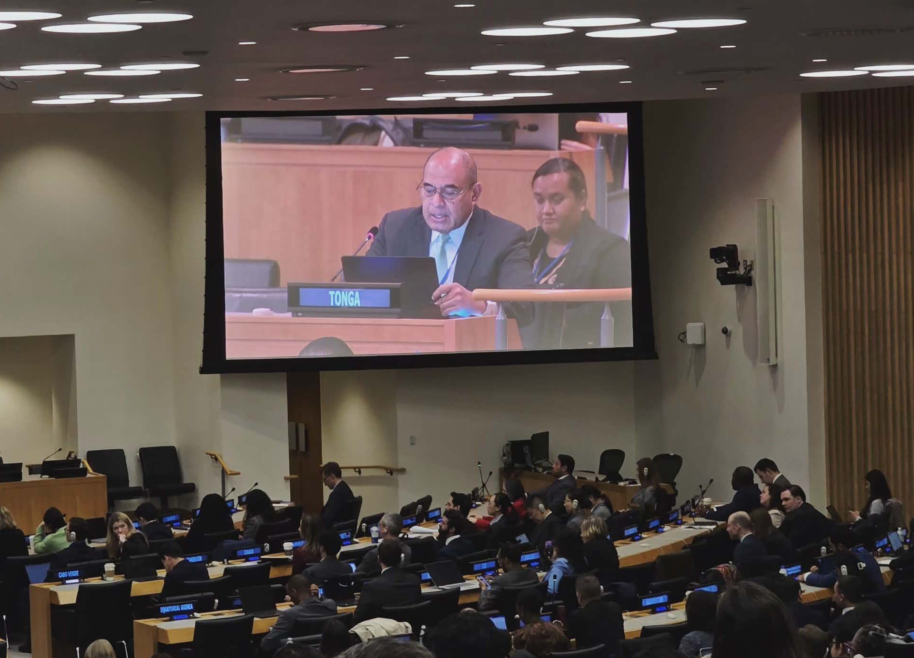
In a statement delivered at the United Nations, Tonga’s Permanent Representative, Viliami Vaʻinga Tōnē, urged the development of a more inclusive and implementation-focused global cybersecurity system—one that reflects the realities faced by small island developing states (SIDS).
Speaking during discussions on international security and information and communications technologies, Ambassador Tōnē said cybersecurity was no longer a technical issue alone but a core pillar of economic resilience, digital inclusion, and national security for Tonga.
He stressed that while global mechanisms exist, they often remain overly procedural and disconnected from on-the-ground needs. For countries like Tonga, with limited resources and growing digital exposure, the gap between policy and practice continues to widen.
“Tonga brings practical experience in resilience, regional cooperation, and operating under significant resource constraints,” he said, calling for systems that enable full and effective participation by smaller nations.
A central concern raised by Tonga is the lack of structured, accessible support to help countries build their cybersecurity capacity. As digital services expand across government, finance, and critical infrastructure, exposure to cyber threats is increasing—yet many small states lack the tools and expertise to respond effectively.
Tōnē outlined the need for targeted capacity-building efforts built around prevention, detection, and response, allowing countries to identify gaps and direct support where it is most needed.
He also emphasized the importance of ensuring that global cybersecurity frameworks produce practical outcomes, particularly through dedicated thematic groups that can address country-specific challenges rather than applying one-size-fits-all solutions.
On legal matters, Tonga reaffirmed that international cybersecurity discussions should remain grounded in existing legal frameworks, including the UN Charter, to avoid duplication and ensure coherence across global efforts.
The statement comes amid growing concern among Pacific nations about their vulnerability to cyber threats as digital transformation accelerates without matching investment in security infrastructure.
Tonga reiterated its commitment to constructive engagement in shaping global cybersecurity policy—but made clear that for small island states, the priority is no longer dialogue, but delivery.