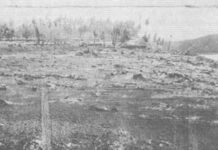
A Tongan cemetery is being urgently dug up to clear the way for a new access road to the long‑awaited Fanga‘uta bridge, Radio and Television Tonga News (RTTN) reports.
The work, which involves the exhumation of graves at the Māhina cemetery in Folaha, marks one of the most culturally sensitive phases of the nationwide infrastructure upgrade.
According to the report, the exhumation had been formally communicated to the Palace Office prior to the start of any physical work, apparently to seek cultural guidance and ensure the procedures aligned with established customs relating to ancestral respect.
The report said the cemetery holds ancestral ties to the Tu‘i Tonga royal dynasty.
A culturally ceremonial service was carried out at the site before exhumation work commenced.
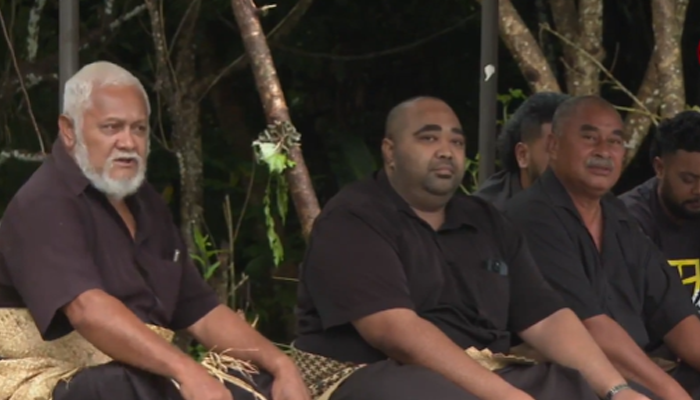
The ceremony, rooted in traditional protocol, included the presence of kau matāpule (traditional talking chiefs), RTTN said.
Video shown during the broadcast depicted a tent set up at the cemetery where these cultural custodians gathered as part of the formal process surrounding the relocation of the dead.
The announcement comes as Tonga undertakes one of its most significant infrastructure developments in recent history — a flagship project intended to improve transport connectivity across Tongatapu.
Major Infrastructure Push Backed by ADB and World Bank
The bridge will span 720 metres across the lagoon and include more than 2 kilometres of new approach roads, forming part of a wider government effort to strengthen key economic corridors and modernise national infrastructure.
The project is funded through major development partnerships, including a USD $80 million grant from the Asian Development Fund and a USD $40 million contribution from the World Bank, under the Sustainable Economic Corridors and Urban Resilience Project.
According to earlier project announcements, the new bridge and associated roadworks are designed not only to ease congestion and shorten travel times between Nuku‘alofa and surrounding villages, but also to improve resilience against tsunamis, flooding, storms, and other climate-related hazards.
These large-scale works require new land corridors, which in some areas intersect with long‑established community spaces — including cemeteries — prompting culturally sensitive relocations such as the one now underway at Folaha.