Auckland, NZ — New doctoral research from Waipapa Taumata Rau, University of Auckland, is reframing the Indigenous Tongan practice of pusiaki—often translated as adoption—as a deeply relational, historically rooted system of kinship that fundamentally differs from Western models of child placement.
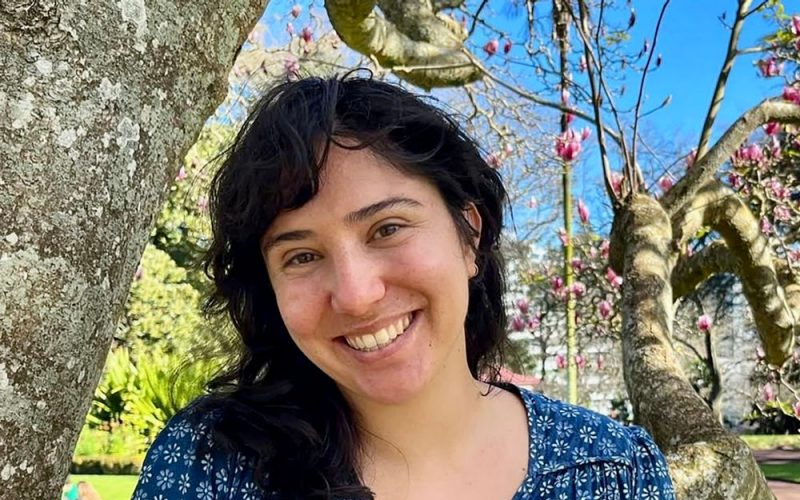
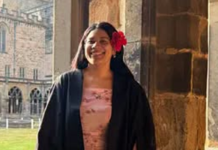
Pacific Studies doctoral candidate Amanda SullivanLee is leading the study, which positions pusiaki as a practice defined by “historically sustained openness, movement and continued ties between birth and adoptive families.”
Her work challenges the assumption that adoption involves a singular and permanent transfer of parental rights, instead highlighting pusiaki as a fluid, community‑centred model in which children remain connected to lineage, land and extended kin networks.
SullivanLee’s doctoral thesis, Reclaiming Connection: Indigenous Tongan Adoption (Pusiaki) in Historical Perspective, draws on Pacific storywork, talanoa, oral history, and archival research to map both historical and contemporary expressions of pusiaki. Her multi-method approach reflects a growing scholarly movement that centres Indigenous knowledge systems and critically examines archival silences.
SullivanLee, who was raised in San Francisco and is herself an adoptee, says the work carries both intellectual and emotional significance.
“Talking about adoption is intellectually challenging — and it’s also emotionally challenging,” she says. “As an adopted Pacific person raised outside the Pacific, returning to Indigenous frameworks has been both rigorous and healing.”
Her personal journey enriches the wider academic conversation on Pacific adoption practices, particularly the relational philosophies embedded in Tongan culture.
A Kinship System Predating Missionary Influence
Historical evidence shows that pusiaki predates missionary contact and developed within a complex Tongan kinship system structured around reciprocity, respect and collective wellbeing. Far from severing ties between birth and adoptive families, pusiaki ensures that children continue to move within and sustain relationships across households and generations. This stands in stark contrast to Western closed-adoption models that prioritize legal finality over relational continuity.
Children adopted through pusiaki typically retain enduring ties to their fonua (land), fāmili (family), and vā (the sacred relational space), preserving the cultural and spiritual foundations that shape identity and belonging in Tongan society.
In December 2025, SullivanLee presented her findings at the Pacific History Association Conference in Sāmoa, joining fellow Pacific scholars committed to Indigenous-led research methodologies. Their collective work honours pioneering figures such as Linda Tuhiwai Smith, Tui Atua Tupua Tamasese Ta‘isi Efi, Sione Latukefu, Okusitino Mahina, and Albert Wendt, who advocate for Pacific histories that are created “with us, not about us.”
The research contributes to ongoing conversations about identity, belonging and care within Pacific communities, especially for adoptees navigating life across cultures and diasporas.
Restoring Connection Across the Moana
By placing pusiaki in its appropriate cultural and historical context, SullivanLee’s work restores relational care to the centre of adoption narratives in the Moana.
Her study not only deepens public understanding of Tongan kinship but also challenges institutions and policymakers to reconsider how Indigenous adoption frameworks might inform contemporary discussions of child welfare and cultural preservation.
As her research continues, it promises to reshape dialogues across academia, communities and the global Tongan diaspora—grounding them in a framework that honours movement, connection and the responsibilities of kin.