A Tongan national was denied entry into New Zealand, detained for about 24 hours at Auckland International Airport, and then removed to Fiji instead of Tonga, despite holding a valid two-year multiple-entry visa.
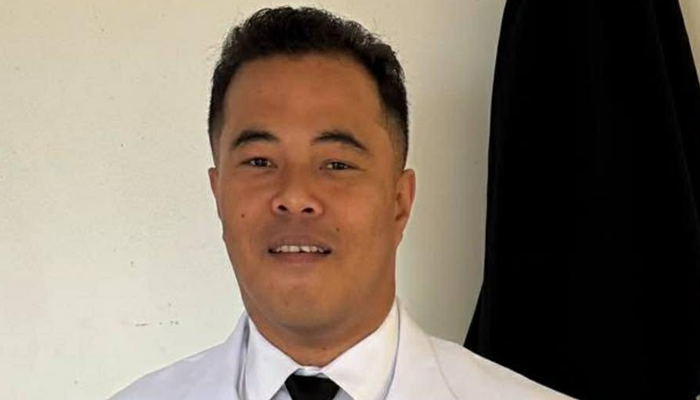
The man, Tevita Sitelimani Finefeuiaki, was reportedly stopped after failing to declare books he was carrying in his luggage on Friday, 24.
Finefeuiaki, who had travelled from Tonga as part of a research project, was detained in Auckland before being sent to Fiji, where he spent several more days in custody before returning to Tonga on Monday.
The circumstances surrounding his removal — particularly the decision not to return him directly to his country of origin — have raised questions about the handling of the case by Immigration New Zealand.
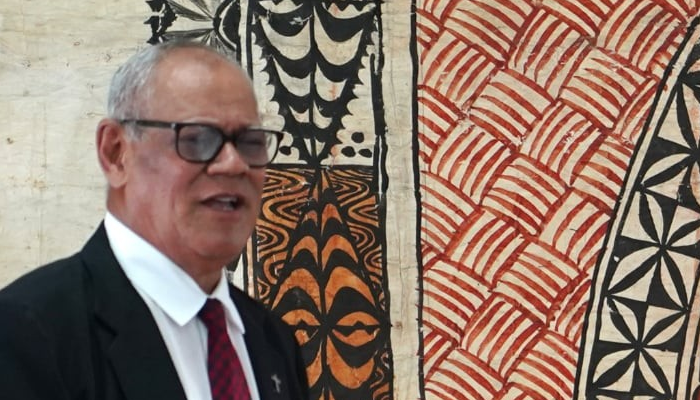
Dr Paula Onoafe Lātū, principal of Sia’atoutai Theological College in Tonga, described the treatment of Finefeuiaki, whom he called his “son in Christ” and research assistant, as “appalling” and “inhumane.”
Books Project Timeline Explained
Mr Lātū said Finefeuiaki was with him in Auckland before being sent to Tonga to collect books from his personal library to support research for new publications marking 200 years since Methodist missionaries first brought Christianity to the kingdom in 1826.
The books they were working on were expected to be completed and published in New Zealand by the end of May.
Lātū said Finefeuiaki was detained after failing to declare the books on arrival. However, he questioned the severity of the response, saying he was deeply concerned by both the treatment of Finefeuiaki and the consequences that followed.
He argued the declaration requirements may not have clearly specified that books intended for academic research needed to be declared.
Detention Costs And Expenses
The church minister alleged that Finefeuiaki was not provided with sufficient food during his detention in Auckland and was later required to pay for accommodation during his stay in Fiji.
An invoice shared with Kaniva News shows a payment of $532.95 to the Grand Melanesian Hotel, listing Finefeuiaki as a “detainee”, including $272 in security-related charges.
Lātū said he had also paid $600 to arrange for the books to be transported separately from Tonga to New Zealand, where they were expected to arrive last night.
Although Finefeuiaki has since returned safely to Tonga, Lātū said the experience had taken a significant emotional toll.
“What’s wrong with a Tongan carrying books?” he said in an interview with Kaniva News.
“Are books only for pālangi to carry?
I’m really down about this.”
Why Travellers Are Refused Entry
According to information published by Immigration New Zealand, travellers may be prevented from boarding or entering New Zealand if they do not meet entry requirements, including failing to provide evidence that they meet the conditions of their visa.
Authorities also reassess travellers on arrival, checking identity, documentation, and declared goods before granting entry permission. Travellers can be denied entry if their documents are invalid, if they do not hold the appropriate visa, or if they provide false or misleading information.
Immigration New Zealand states that travellers must demonstrate they have a genuine reason for travel, sufficient funds to support themselves, and arrangements to leave the country at the end of their stay.
Kaniva News has sought comment from Immigration New Zealand, including clarification on the legal basis for Finefeuiaki’s detention and removal, the decision to send him to Fiji, the conditions of his detention, and whether the case will be subject to review.
Policy Concerns Raised
Lātū believes the immigration policy falls short of fairness.
“Dawn raids are on the horizon,” he said, invoking a phrase commonly used within the Tongan community when immigration issues arise, reflecting fears that Pasifika and other migrant communities are once again being unfairly targeted, re-traumatised, and treated as criminals—despite the Government’s formal apology in 2021 for the notorious Dawn Raids of the 1970s.
“I do not see any crime in him carrying books into New Zealand,” Mr Lātū told Kaniva News.
“My son is part of this book project and lives with me at my home in Takanini.
“We arrived here late last year. He is my library assistant, researcher, and typist.”