A suspect was shot and killed after allegedly opening fire near the White House on Sunday, prompting a temporary lockdown of the presidential complex and a major security response in Washington, D.C.
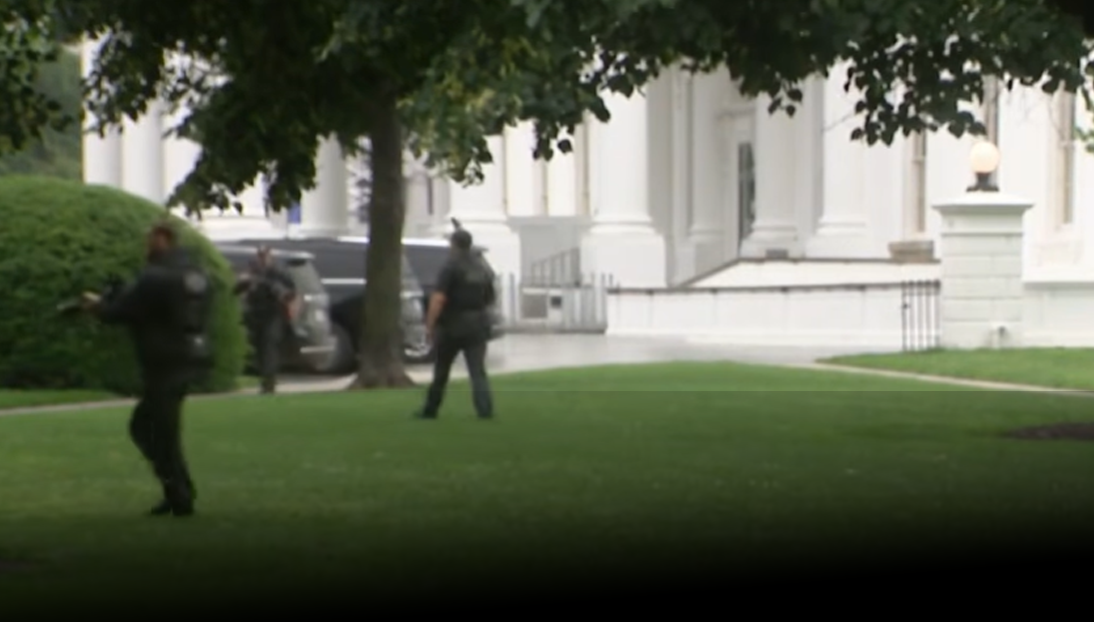
U.S. authorities said Secret Service agents fatally shot the gunman after multiple shots were fired near the White House perimeter. A bystander was also reportedly injured during the incident. Security teams swiftly secured the area before the lockdown was later lifted.
Footage shared by ABC News correspondent Selina Wang captured the tense moments as gunfire erupted near the North Lawn, forcing journalists and bystanders to take cover.
The incident unfolded amid growing concern and heated debate within Tongan communities over a newly announced U.S. immigration policy that could significantly affect green card applicants currently living in the United States.
Immigration policy sparks division
The Trump administration recently announced a major policy shift under which adjustment of status applications inside the United States will only be approved in “extraordinary circumstances,” meaning many applicants may now be required to return to their home countries and complete processing through U.S. consular offices abroad.
The announcement has triggered intense discussion across Tongan social media platforms, exposing sharp divisions within the diaspora over immigration, legality, and fairness.
Supporters of President Donald Trump defended the move as a legitimate enforcement of immigration law and national sovereignty.
“If you want to become a permanent resident, you should follow the proper legal process,” one Tongan Trump supporter in Utah said. “America has laws, and they must be respected. This decision is about fairness and protecting the integrity of the system.”
Others argued the policy could help prioritise applicants who have waited overseas for years under existing immigration pathways.
“It might be tough, but it’s about doing things the right way,” another supporter said. “Many people have waited overseas for years. Why should others skip that process?”
However, critics within the Tongan diaspora strongly condemned the policy, describing it as harsh, disruptive, and potentially damaging for families already established in the United States.
“This is not just a policy shift — it’s a human issue,” a Tongan community advocate in the US said. “You’re asking people to leave their jobs, their children’s schools, and their homes without certainty they can return. That’s not fair.”
Others warned the requirement could expose families to long processing delays, financial hardship, and uncertainty over re-entry.
“It shows a lack of understanding of immigrant families,” another critic said. “Many Tongans follow the law and contribute to society. This kind of decision ignores the real impact on their lives.”
Tensions amplified by Washington shooting
Authorities have not indicated any connection between the White House shooting and the immigration policy announcement. However, the timing of both developments has heightened anxiety among Pacific communities closely following events in the United States.
Some Tongans said the dramatic security incident in Washington intensified an already tense atmosphere online.
“People are already feeling unsettled watching what’s happening in Washington,” one Auckland-based Tongan said. “Then this comes out — it just feels like everything is happening at once.”
The U.S. is home to one of the world’s largest Tongan diaspora populations, with many families directly affected by immigration policies and residency pathways. Changes to U.S. immigration procedures can also have wider consequences for families in Tonga through remittances, sponsorship arrangements, and long-term reunification plans.
As investigations into the White House shooting continue, uncertainty surrounding the new immigration policy remains a major concern for many Tongan families closely watching developments in the United States.