A New South Wales court has rejected an urgent application by the mother of slain Tongan man Alai ‘Ahio, ruling that authorities can proceed with a post-mortem examination following his death in a violent Sydney shooting.
Alai ‘Ahio, 28, died after being shot during what police have described as a “targeted” and “brazen” attack at a home in Canley Heights on the evening of May 19, 2026.
Authorities say at least two armed men stormed the property and opened fire on a group gathered in a garage area, leaving five men injured.
‘Ahio, an associate of the OneFour rap group, was rushed to Liverpool Hospital with gunshot wounds but died shortly after arrival, while four others survived with serious injuries.
Police believe the attack was targeted, though the exact motive remains unclear, with investigators examining potential links to organised crime networks in western Sydney.
Mother’s court challenge
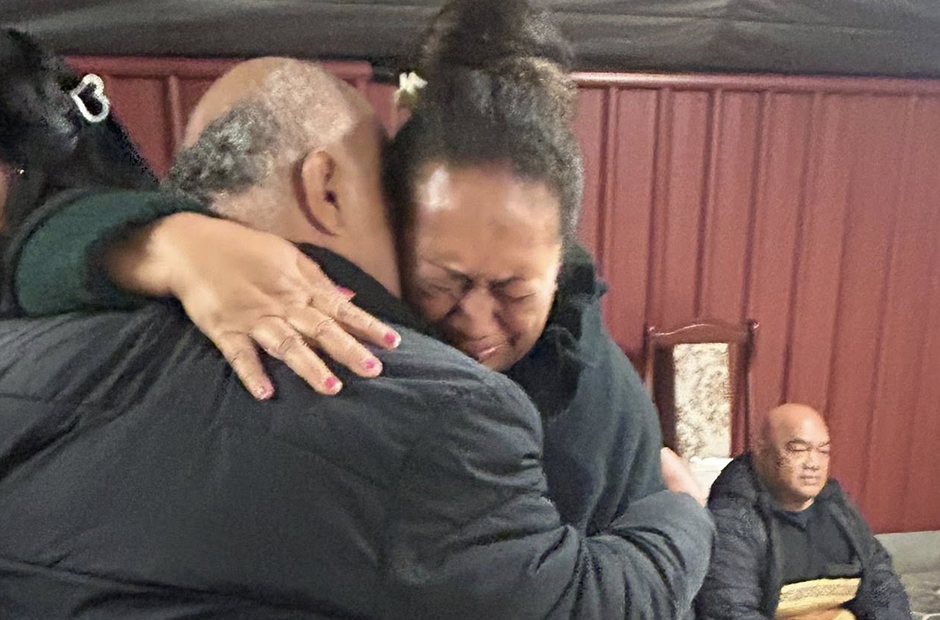
In the days following his death, ‘Ahio’s mother Savelina Fisiipeau Ahio lodged an urgent legal challenge seeking to prevent an autopsy being carried out on her son’s body.
The application was reportedly based on deeply held cultural and religious beliefs, reflecting traditional Tongan values that emphasise respect for the body after death and the importance of keeping it intact for burial.
However, the court ultimately ruled against the mother’s application, allowing the coroner to proceed with the post-mortem.
Under Australian law, an autopsy can be ordered in cases of sudden, violent, or unexplained deaths, particularly where a homicide investigation is underway. Such examinations are considered critical to determining:
- The precise cause of death
- The nature and trajectory of injuries
- Evidence that may assist police investigations and prosecutions
In homicide cases, courts typically give significant weight to the public interest in establishing the full circumstances of a death, even when objections are raised on personal, cultural, or religious grounds.