An Auckland-based Tongan woman who charged desperate borrowers interest rates as high as 15% a week and threatened to shame them on Facebook has now been sentenced by the Auckland District Court.

As Kaniva News reported previously, Malupō operated Nane Easy Loan Finance Services NZ (Nane Loans) without the required registration as a financial services provider before she was charged by the Commerce Commission last June.
She has now been sentenced to 150 hours of community service and ordered to pay $15,000 in reparation—at a rate of $40 per week—reduced from the original $32,698 owed to victims, according to the New Zealand Herald. Judge Sharp acknowledged that repayments at $40 per week would be slow but emphasised that it was important for victims to receive something.
Court documents state that her loans carried weekly interest rates ranging from 8% to 15%, with the rates doubling if repayments were not made within 28 days. She also imposed late-payment charges of $10 per day.
The sentence follows repeated exchanges between Malupo and the Commerce Commission, during which she was warned and gave assurances she would comply, but ultimately failed to do so.
The Herald reported that Malupō continued lending even after charges were laid, breaching her bail conditions last September.
In a statement to the court, Malupō expressed regret and said the ordeal had prompted her to change, adding that she now recognises the need to act properly even when it is challenging.
Her lawyer told the court she remains active in her church and has since completed financial education courses.
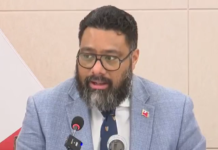
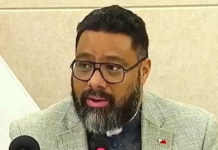
Associate Commerce Commissioner Joseph Liava’a was quoted by the Herald saying that when Malupō was charged last year, some borrowers were forced to sell treasured belongings or fall behind on rent to repay her.
“Often these kinds of lenders are a last resort for people who are struggling to borrow from reputable lenders,” he said. “Many people who borrowed from Ms Malupo were already under financial pressure and on low incomes, so irresponsible lending could have had a big impact on borrowers and their families.”
The official also criticised Malupoo’s weaponisation of social media.
“Public shaming is never okay and could put borrowers in a vulnerable position to avoid being called out for their friends and family to see,” Liava’a said.