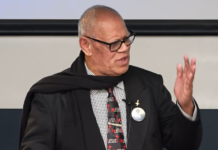
Tonga — A public lecture at Tonga National University (TNU) next month is set to examine one of the country’s most sensitive and widely debated issues: the role of lotu in shaping both wellbeing and social challenges in Tongan society.
The lecture, titled “Lotu, Leadership, and Wellbeing: Lessons Learned from the Lotu Factor Project,” will be held on 26 June 2026 at the ECE Hall, Pahu Campus as part of the university’s PōTalatala Public Lecture series.
It will present findings from the Lotu Factor Project, a multi-year study funded by the Health Research Council of New Zealand examining the relationship between faith, leadership, health, and communal wellbeing across Pacific communities.
A statement published by the TNU says the study explores both the positive and more complex dimensions of religiosity within Pacific societies.
While lotu is recognised as a source of hope, belonging, resilience, and moral guidance, the project also examines concerns raised in public debate about forms of religiosity that may become socially divisive or contribute to harm.
Religion Debate In Tonga
The lecture comes amid continuing public discussion in Tonga over the role of religion in public life, governance, health, and social wellbeing.
At the centre of these debates is the constitutional recognition of the Sabbath Day, which traditionally requires Sunday to be observed as holy, restricting business operations and public activity. However, the law also provides exemptions allowing essential services — and, with Cabinet approval, certain businesses such as restaurants — to operate on Sundays.
Public debate has at times emerged over the implementation of these exemptions, including why some businesses are permitted to operate while others remain closed. Concerns have also periodically been raised about businesses allegedly trading without approval and reports of construction activities carried out on Sundays under special exemptions granted for urgent purposes.
Religious fundraising practices have also become part of broader community discussions in recent years. Critics have questioned whether heavy financial spending associated with annual church conferences and donations known as misinale may place pressure on families already facing economic hardship.
Health concerns linked to church-related food practices have likewise been discussed publicly. The Free Wesleyan Church had previously introduced measures to reduce the serving of heavy foods such as pork, fatty meats, and traditional high-carbohydrate meals during church events amid growing concern over non-communicable diseases.
Broader questions about the relationship between faith and social wellbeing have also increasingly featured in public discourse.
Although Tonga is widely regarded as one of the world’s most religious nations, some community commentators, researchers, and critics have questioned whether strong religious participation has consistently translated into wider social outcomes.
Issues frequently raised in these discussions include illicit drug activity, allegations of corruption, concerns over leadership accountability, and Tonga’s ongoing public health crisis involving high rates of diabetes, hypertension, and heart disease.
Questions have also been raised in public debate about the role of religion within state institutions, particularly as many government ministries incorporate regular prayer services into official programmes while concerns continue over public service delivery standards.
Community Invited to Engage
It is within this wider social context that the Lotu Factor Project seeks to contribute a more nuanced understanding of the relationship between faith, leadership, and wellbeing — including distinctions between what researchers describe as “life-giving faith” and forms of religiosity that may unintentionally contribute to harm or limitation.
Organisers say the lecture is intended to create space for open and informed dialogue about the role of lotu in contemporary Tongan society and its impact on individuals, communities, and national development.
The event is expected to attract church leaders, academics, health professionals, policymakers, and members of the public interested in how faith and leadership can better support collective wellbeing.
Among the lecture’s objectives are to:
- present the research findings in an accessible way
- stimulate critical discussion on the relationship between faith and wellbeing
- encourage reflection on harmful versus life-giving expressions of religiosity
- strengthen collaboration between churches, public institutions, and communities.