Editorial – Forty years after it was first penned, Uncivil Servants remains uncomfortably relevant in Tonga, capturing with eerie precision the same public service failures—from unanswered phones to dismissive frontline staff—that recurring public complaints suggest continue to frustrate many Tongans today, particularly within parts of the frontline public sector.
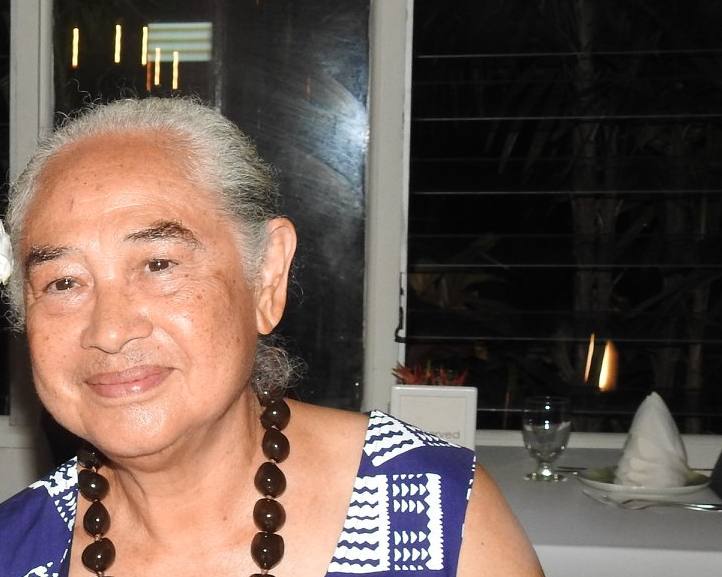
In the poem, the writer Konai Helu Thaman speaks of “civil servants with uncivil thoughts,” officials who thrive on the vulnerability of ordinary people while hiding behind “smiling false faces.”
For many Tongans in 2026, particularly those interacting with some frontline agencies, this description feels intimately familiar. Complaints about poor service, unresponsiveness, and dismissiveness within parts of the public sector continue to surface regularly.
More recently, a woman took to Facebook to express frustration over what was described as bureaucratic indifference at the Police telephone exchange.
The Ministry of Police subsequently apologised and pledged to improve its services after the woman’s Facebook post, in which she described a frightening home invasion. She alleged that an officer spoke over her as she attempted to report the intruder, and that repeated calls to her local police station went unanswered.
The complaint echoes longstanding concerns that have, over time, implicated several government ministries—particularly those providing frontline services, including Police, Lands, Immigration, and Health.
The persistence of these complaints suggests the issue is not merely individual behaviour but a deeper institutional culture where authority is too often insulated from accountability.
Former Minister of Health ‘Ana ‘Akau‘ola previously issued an emotional apology and appealed to the public, stating that continued complaints and allegations of poor service within the Ministry of Health were affecting staff morale.
At a more serious level, the Ministry of Lands is currently undertaking what appears to be a significant and urgent reform process to address over 7,000 backlogged cases, widespread file misplacement, and persistent allegations of corruption and abuse of land rights. All of these point to systemic shortfalls and negligence that were overlooked by previous leadership within the Ministry.
What makes these incidents striking is that they mirror concerns articulated decades earlier in Thaman’s poetry.
In the Tongan context, poetry occupies a significant cultural role through heliaki — a sophisticated form of figurative expression that conveys deeper truths through symbolism, figures of speech, and literary devices. More than artistic ornament, heliaki has long served as a vehicle for social observation, criticism, and moral reflection.
Uncivil Servants by Konai Helu Thaman

Many of my friends

Are civil servants

With uncivil thoughts.

They smile at my weaknesses

And thrive on my poverty …

Their bodies though weakening

From muscular indifference.

But they cannot erase my existence

For my plight chimes with the hour

And my blood they drink at cocktail parties

Always full of smiling false faces

Behind which lie authority and private interests.

Yet if I tell them what I think

I may go to hell or even lose my scholarship!
Thaman’s poem “Uncivil Servants” offers a sharp and enduring critique of the failure of public officials to uphold their duty to serve the people. Through irony, Thaman exposes how those entrusted with public service often display “uncivil thoughts,” lacking compassion and empathy for the very communities they are meant to support.
The poem highlights a widening social divide, where those in positions of authority are seen to benefit from the struggles of the ordinary people, “thriving” on their poverty while maintaining a façade of respectability. This imbalance reflects deeper concerns about inequality and the exploitation of vulnerable groups within society.
Thaman further suggests a troubling culture of indifference and moral weakness among officials, describing a state of “muscular indifference” where those with the capacity to act choose inaction. Despite this, the voice in the poem asserts resilience, insisting that such systems of power cannot erase the identity and lived realities of the people.
The poet also draws attention to the hypocrisy of the elite class, portraying social spaces such as cocktail parties as environments filled with “smiling false faces,” where authority is exercised not for public good but to advance private interests.
Perhaps most striking is the poem’s reflection on fear and silence. The speaker acknowledges the risks of speaking out, noting that telling the truth could result in personal consequences such as losing opportunities or support. This captures a broader climate in which individuals may feel constrained from criticising those in authority due to fear of reprisal.
Four decades later, Uncivil Servants endures not simply because it is good poetry, but because too many Tongans still recognise the system it describes. Until public service is measured less by status and more by accountability, Thaman’s warning will remain painfully contemporary.