Nuku’alofa – A new report released by the Government of Tonga in collaboration with UNICEF reveals that 25.3 percent of children in Tonga are living in multidimensional poverty.
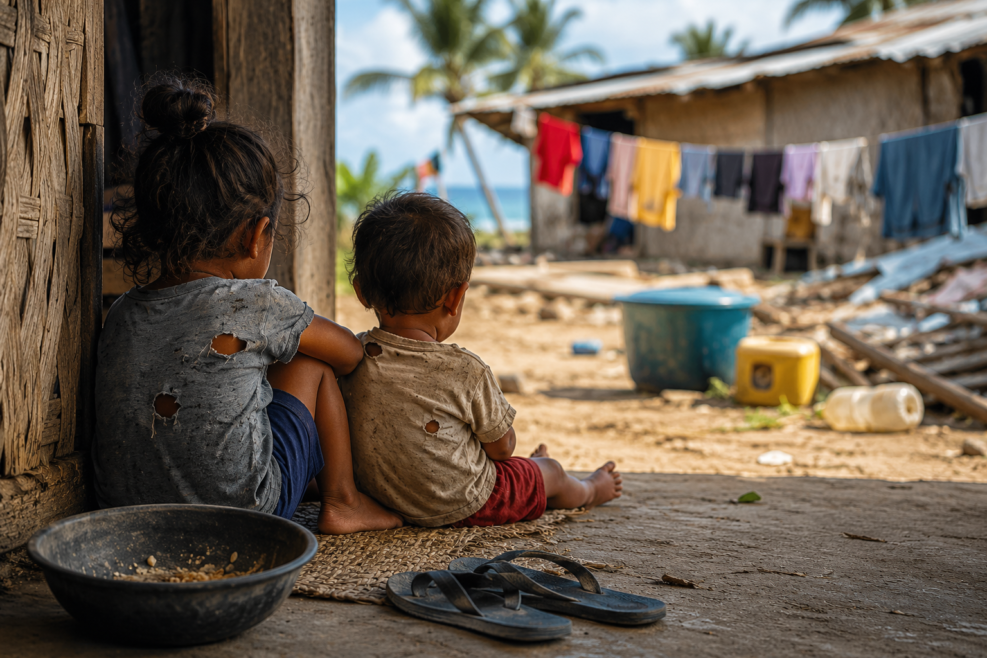
The report, Multidimensional Child Poverty in Tonga, shows that poverty among children goes beyond income, encompassing lack of access to essential needs such as nutrition, healthcare, education, clean water, and safe housing.
When these needs are unmet at the same time, children face severe and overlapping disadvantages.
The findings are based on data from the 2019 Multiple Indicator Cluster Survey, highlighting areas where children are being left behind.
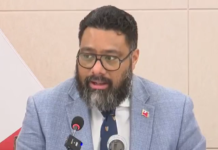
Prime Minister Lord Fakafānua said the report underscores Tonga’s commitment to protecting its people and the importance of putting safeguards in place before families reach crisis point.
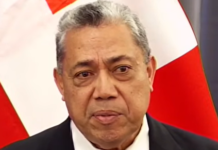
Minister for Internal Affairs, Fane Fotu Fituafe, described the findings as a significant step forward in efforts to address child poverty and promote inclusion.
Rural Children Most Affected
The report shows that the youngest children are most vulnerable, with 58.7 percent of infants aged 0–23 months and 35.9 percent of children aged 24–59 months deprived of three or more essential needs.
Children in rural areas are also disproportionately affected, with 28.3 percent experiencing multidimensional poverty, compared to 14.8 percent in urban areas.
Geographic disparities are stark, with the highest rates recorded in ʻEua (48.9 percent), followed by Haʻapai (40.8 percent) and Ongo Niua (35 percent). Tongatapu recorded the lowest rate at 21.6 percent.
Deprivation Key Concerns
The report identifies housing as the most widespread form of deprivation, affecting more than half of children across all age groups.
In early childhood, critical gaps were found in health and nutrition, with 76.9 percent of infants facing health-related deprivation and 68.3 percent lacking adequate nutrition.
Children living in poverty often face multiple challenges at once, experiencing an average of 3.4 deprivations simultaneously.
UNICEF Pacific Representative Hamish Young said the data reflects the everyday reality for many children.
“Behind every number in this report is a child whose struggle is not just one challenge, but many, experienced all at once, every day,” he said.
Call for Coordinated Action
The report highlights the urgent need for coordinated, cross-sector action to address overlapping challenges facing children.
Improving access to healthcare, nutrition, housing, clean water, and child protection, alongside supporting vulnerable families, is seen as key to reducing child poverty.
Officials say early intervention and integrated solutions will be critical to ensuring every child in Tonga has the opportunity to survive, thrive, and reach their full potential.