Tonga’s Attorney General’s Office has been hit by years of staffing difficulties, with professional lawyers resigning from positions ranging from senior leadership and mid-management to entry-level roles, Parliament has been told.
The disclosure follows recent criticism from the courts over the performance of Crown prosecutors, including concerns raised by Lord Chief Justice Malcolm Bishop over the handling of a vulnerable child witness.
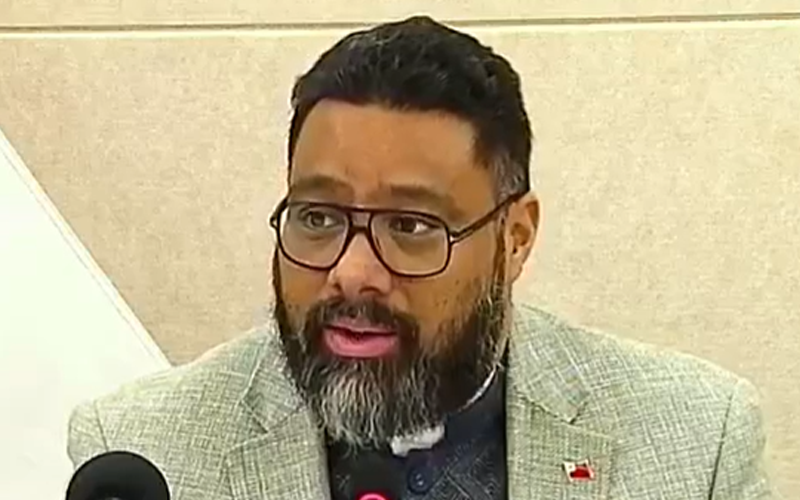
Prime Minister Lord Fakafanua told Parliament that the staffing difficulties were identified in the general overview of the office’s report and were linked to the departure of professional legal staff at various levels.
“Ka ‘oku ‘i ai ‘a e pole ‘oku fehangahangai pea mo e potungāue ko ení,” he said in Tongan, emphasising the challenge facing the office.
The report said the situation needed to be reviewed and raised concerns about whether existing salary levels were sufficient to retain lawyers working within the Attorney General and Solicitor General’s offices.
Despite the staffing difficulties, the report described the overall performance of the offices as satisfactory.
The Government’s legal offices perform crucial functions, including legislative drafting, providing legal advice to the Government, handling international treaties and representing the Crown in civil, land, family and criminal proceedings, the Prime Minister said.
Chief Justice previously criticised prosecution
The Chief Justice’s concerns related to the prosecution’s handling of a 12-year-old witness in a criminal case involving a road-rage confrontation at Fātumu.
As Kaniva News reported last month, he also recommended further training for prosecutors, to be led by Supreme Court Justice Paul Garlick KC.
The criticism was not an isolated judicial concern.
Tongan judges have previously criticised prosecutors over failures including not calling important witnesses, problems presenting defendants’ criminal histories, unexplained discrepancies in drug evidence and failures to follow proper procedures.
In one serious armed-robbery case, Justice Charles Cato described the prosecution’s handling of the matter as an “unacceptable litany of error”.