OPINION In the wake of the imprisonment of the fraudster Lavulavu couple, the debate about Prime Minister Pōhiva Tu’i’onetoa’s justification for keeping ’Akosita Lavulavu in Cabinet has come under closer scrutiny.

The Prime Minister has cited Clause 23 as a reason for doing nothing, but the Clause reflects either questionable intentions or clumsy thinking by lawmakers at a time when some Nobles were accused of breaking the country’s firearms laws.
It also brings to light the fact that lawmakers disregarded the fact that the law had opened an opportunity for government leaders, especially the Speaker of Parliament and the Prime Minister to make their own interpretation or be given advice that might lead to injustice and favouritism.
It also mirrors the fact that the clause acts as a shelter for government representatives who committed serious offence which incurred prison sentences of no more than two years.
In my view any person who is convicted and sentenced by court should not be trusted and given an office in the government.
The best examples of the disgrace brought by Clause 23 were the dismissal of Finance Minister Lisiate ‘Ākolo in 2014, the refusal by the Prime Minister to sack Infrastructure Minister Akosita Lavulavu after she was jailed for five years last week, and a court decision to fine the Ha’apai governor Viliami Manuopangai Hingano for breaking the fisheries Act last year. He is still the governor of Ha’apai.
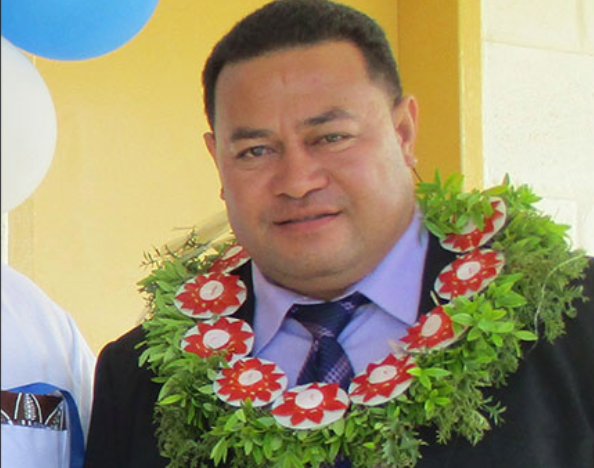
‘Ākolo’s dismissal
‘Ākolo was forced to resign after former Prime Minister Lord Tu’ivakanō accused him of being uncooperative and reluctant to implement a five percent salary rise for civil servants.
‘Ākolo denied the accusation and said he had been trying to figure out where to get the TOP$5 million needed for the pay rise
There were also reports at the time which claimed Lord Tu’ivakanō was not happy with ‘Ākolo after he queried him about his wife Robyn Kaho’s travel allowances.
Akosita, a jailed Cabinet Minister
Akosita was sent to jail on Friday after her bid for bail was denied. She was convicted and sentenced to five years imprisonment after she and her husband ‘Etuate Lavulavu were found guilty of plundering more than half a million pa’anga from the government school grant scheme.
Prime Minister Tu’i’onetoa has refused to take action against her, citing Clause 23 of the Constitution. He also said he could not do anything against Akosita because he feared she might take him and the government to court under the provisions of the same clause.
His response came after media asked him to clarify whether the disgraced Cabinet Minister was still being paid in full while she was in court and whether she was still getting full pay and receiving all her entitlements after she was convicted and sentenced.

Tu’i’onetoa replied and told Parliament that if what he had done was not in line with Clause 23, he would be happy if somebody took him to court.
Ha’apai governor fined
The Governor of Ha’apai, Viliami Manuopangai Hingano was fined TP$12,500 for unlawful possession of 198kg of turtle meat.
A Supreme Court judge said the accused tried to hide the fact that he was a party to the proposed commercial sale of the uncertified meat of the endangered species.
Prime Minister Tu’i’onetoa, who has the prerogative to dismiss the governor, told the media he would not sack Hingano because his sentencing was not more than two-year imprisonment and, according to Clause 23 ,he was still entitled to the governorship.
Clause 23 is beyond embarrassing
It is totally wrong to use taxpayers’ money to pay someone who had been proved guilty of defrauding the government’s money or breaking the law.
The only proper course of action is for the Prime Minister to ask for their resignation. If they appeal their sentence and are successful, they can be restored to their government position and their entitlements and allowances paid back.
Looking at ‘Ākolo, Hingano and Akosita’s cases, it is a shame to see that ‘Ākolo, who appears to have not broken any law had no right under the Constitution to fight for his right to keep his Ministerial position while Akosita and Hingano who committed serious crimes were effectively rewarded by clause 23.
‘Ākolo was harshly treated and despite giving clear clarification on media about why he thought Lord Tu’ivakanō was wrong, he was dismissed. At the same time Akosita has a knight in shining amour in the shape of the Prime Minister, who seems to be doing his best to keep her safe from all pressures for her to resign.
It was embarrassing to see a jailed fraudster was still being regarded as a Cabinet Minister and is still being paid by the government.
It was also embarrassing to see that the person whose only constitutional duty was to make sure the people of Ha’apai islands obeyed the law, broke the law himself. The situation discredited the government and the governorship.
Clause 55 of the constitution clearly lays out the sole duty of the governor.
It said: “It shall not be lawful for a Governor to enact any law but he shall be responsible that the law is enforced in his district”.
Revising Clause 23
I believe that at the time of the re-enactment, the Noble MPs and the noble-led government had serious concerns about how their entitlements could have been affected by the new and revised laws.
It might be justifiably questioned whether this influenced what happened to Clause 23. Some might argue that the revision led to today’s situation.
The enactment of the revised Clause 23 came in 2013, a year after Lord Lasike was removed as Speaker and member of Parliament after he was convicted of possessing ammunition without a licence. The Appeals Court overturned his sentence. He then secured his title, his salary as a noble of the realm, his land entitlements, but not his parliamentary chairmanship.
The revised clause came into effect three years after Lord Tu’iha’ateiho was fined after possession of an illegal firearm. In December 2010 Lord Tu’ilakepa was charged and later convicted on various counts of illegal firearms and ammunition possession.
The noble-led government first attempted in 2011 to reduce penalties for possession of firearms offences from nearly $US3000 to just over $US500 and the term of imprisonment from five years to one year, but the Late King George Tupou V blocked the move in 2012.
Clause 23 must be fixed
Clause 23 should be fixed immediately. I would suggest it either be modified to avoid the apparent contradiction with Clause 51 (3) (a), which allows the Prime Minister the prerogative to sack a cabinet minister, or remove the 2013 revision and add new text to allow a government representative who is sentenced but successfully appeals their conviction to be restored to their government posts and receive their previous salary and entitlements. It should also be revised to make sure that when a government representative is convicted they should be removed from their position and permanently barred from future appointments.
Clause 23 currently says: “No person having been convicted of a criminal offence and sentenced to imprisonment for more than two years, shall hold any office under the Government whether of emolument or honour nor shall he be qualified to vote for nor to be elected a representative of the Legislative Assembly unless he has received from the King a pardon together with a declaration that he is freed from the disabilities to which he would otherwise be subject under the provisions of this clause.
Provided that the operation of this clause shall be suspended in any case until the expiration of 42 days after the date of the conviction; and in cases where notice of appeal or leave to appeal is given within 42 days after the date of conviction, until the determination of the appeal; and if the conviction is quashed on appeal or the sentence reduced to no more than 2 years imprisonment then this clause shall not have effect”.
FAKAMATALA FAKATONGA
Kuo hoko ‘a ‘etau konisitūtone’ ko hotau fakamā’anga pea kuo taau ke fakalele’i ‘a e kupu 23 ne toki fakalahi he 2013 ke fakapapau’i ‘e to’o ‘osi ‘aupito ‘oua na’a toe ‘oange ha lakanga minisitā ki ha taha kuo fakahalaia’i he fakamaau’anga’ tatau ai pē. Ko e ngaahi lakanga pelepelengesi taha ‘eni ‘o e fonua’ pea ‘oku taau ke ‘oua na’a lave ai ha taha kuo fakamo’oni’i fakalao kuo faihia. Ke fakanounou ‘a e talanoa’ ni ‘i hono ‘oatu ‘i he lea fakaTonga’ ‘oku peheni. Kapau te tau sio ki he keisi lalahi e tolu ko ‘eni. Ko hono kapusi ‘o Lisiate ‘Ākolo ko e minisitā pa’anga ‘o e 2014 tu’unga he pehē na’e ‘ikai ke ne fie fakahoko e tu’utu’uni ‘a e Kapineti’ ke fakalahi pēseti ‘e 5 e vāhenga ‘o e kau ngāue fakapule’anga’, fakahalaia’i ‘a e minisitā ko Akosita Lavulavu ki hono ma’u ta’etotonu ha pa’anga ‘ova he vaeua miliona’ pea mo e kōvana Ha’apai ko Viliami Hingano ko hono ma’u mo e kakano’i fonu lahi ta’efakalao. Ko ’Ākolo ne ‘ikai ke ne maumau’i ‘e ia ha lao pe konisitūtone pe fakahalaia’i ia ‘i he fakamaau’anga’. ‘Osi ange ‘ikai ha kupu ia he konisitūtone ke ne kumi ai ‘ene tonuhia’ ‘o iku ai ki hono tuli ia mei he kapineti. Taimi tatau, faihia pea fakahalaia’i ‘a e ongo ua ia ko ē, Akosita mo Hingano pea haofaki’i kinaua ia ‘e he kupu 23 ‘o e konisitutone’, ‘o ‘atā ai ‘a Akosita ke kei vahe pē hili hono fakahalaia’i’ a’u ki he’ene hū ki Hu’atolitoli ‘o kamata ngāue pōpula ai tu’unga pe hono ngāue’aki ‘e he palēmia’ ‘a e kupu 23 ‘a ia ‘oku faka’atā ai ke ne kei ma’u pe hono tu’unga minisitaa’ mo vahe kae ‘oua leva kuo ‘osi ha ‘aho 42 pea mo mahino ‘ene tangi’. Fakapale’i e ongo faihia’ ia kae tautea’i e minisitā ia ne ‘ikai ha’ane hia’. ‘Oku fakamā fau foki ke tau vakai atu ki ha tokotaha kuo ngāue pōpula pe mo kei vahe mo lau ‘oku kei minisitā pe ia he pule’anga ‘o ‘Ene ‘Afio’. ‘Oku toe fakamā foki ke kei kōvana ‘a Hingano hili ko ia ko hono fatongia’ ‘oku taha pe pea ‘oku tuhu’i mai ‘e he kupu 55 ‘o e konisitūtone’. ‘A ia ko e pau ke ne fakamamafa’i ki hono kakai Ha’apai ‘a e pau ke nau tauhi ‘a e lao’. Pe ‘e fakatonuhia’i fēfē ha’ane fakahinohino e kakai’ ke muimui ki he lao kuo ne toe maumau’i pe ia ‘e ia’. ‘Oku totonu foki ke fakatokanga’i ko hono fakalahi ko ‘eni ‘o e kupu 23 ne fai ia ‘i he fo’i vaa’i taimi ne lahi lahi ai hono puke ‘o fakahū e kau nōpele ‘a ‘Ene ‘Afioo’ ‘i hono maumau’i ‘a e lao ki he me’atau’ mo e mahafu’. Ko Looti Tu’ilakepa mo e Tu’iha’ateiho’ kae pehē kia Looti Lasike ne puke kinautolu ‘i he 2010 ko e ma’u mo e mahafu ta’elaiseni. Ne iku ‘o mo’ua totongi pa’anga ‘a Tu’ilakepa mo Tu’iha’ateiho kae tangi ‘a Lasike pea tali ‘e he Fakamaau’anga Tangi’ ‘ene tangi’’o hao ai ia ‘i hono tautea’. Ne toe feinga foki ‘a e kau nōpele mo e pule’anga ne taki ‘e ha nōpele’ he ‘aho ko ia’ ke liliu e konisitūtone’ ke holoki e tautea ‘o ha taha ma’u mo ha mahafu ta’elaiseni ka ne ‘ikai tali ia ‘i he 2012 ‘e Kingi Siaosi Tupou V. Kaekehe, ‘e lava ke fakatonuhia’i ‘i he me’a ne hoko ko ia’ hano fehu’i pe na’e uesia nai ‘a e fokotu’utu’u ‘a hono toe fakalahi ‘o e kupu 23 he ‘aho ko ia ‘e ha feinga ke malu’i mo ha manavasi’i ‘a e houe’iki’ ki hano uesia ‘a ‘enau totonu fakalao he ngaahi puta faka’ilo mai ko ia’. Kuo taimi ke fakalele’i foki ‘a e kupu 23 ke ta’ofi ‘ene fakaava ‘a e faingamalie ke fai ai ‘e he ‘Eiki Sea ‘o e Fale Alea’ mo e ‘Eiki Palēmia’ ha’ana fa’ahinga faka’uhinga pe ma’u ha fale’i ‘e ala fakatonulea’i kuo aafe ki he ta’efakamaau totonu mo filifilimānako ‘o hangē ko e me’a tonu kuo hoko’.