
By Finn Blackwell of RNZ and is republished with permission
Gym chain City Fitness has battled claims in court it deceived customers with misleading membership prices.
The fitness giant faced 16 charges under the Fair Trading Act.
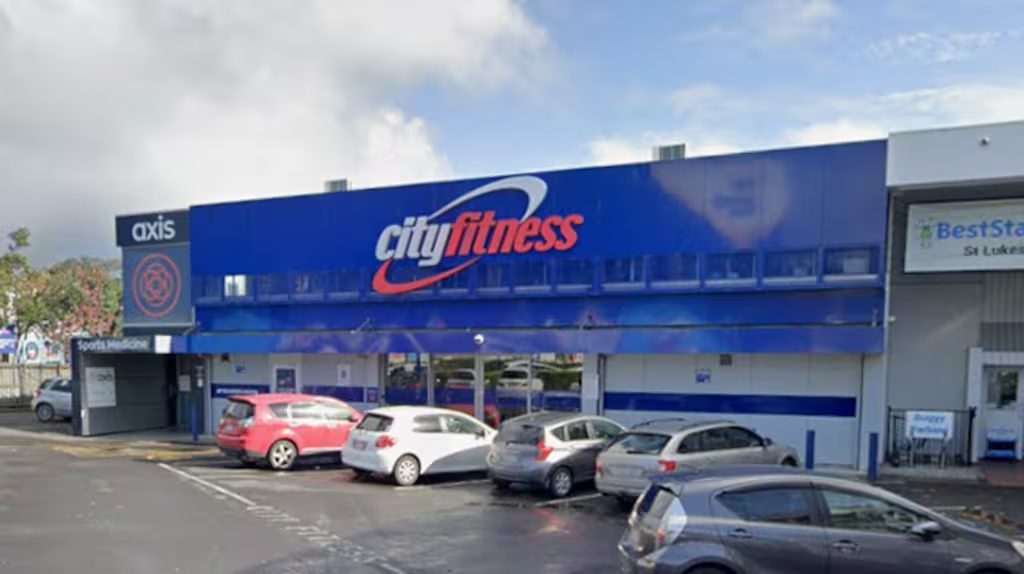
The Commerce Commission claimed City Fitness’ advertised membership prices were misleading.
It said the gym chain did not include a compulsory transaction fee, which the commission said should have been included in the advertised price.
Labelling the 3% fee as a “transaction fee” that was not related to the costs for processing membership fee payments was also misleading, the commission said.
In the Auckland District Court on Thursday, the lawyer for the commission, Jacob Barry, said nearly 200,000 people had been affected by the costs over 16 months.
He described it as a cynical marketing ploy.
“As best as I can tell, none of the money has returned to the customers.”
He said City Fitness had been deceptive.
“City Fitness obviously saw there was a competitive benefit in pursuing it this way,” Barry said.
“It gets the benefit of the market, being able to sell its memberships with that attractive looking number, but it’s doing that in a false way and, in my submission, in a consciously false way.”
The fee generated just under $1.6 million during that period, which Barry said was illegitimately obtained.
City Fitness continued to advertise the membership price despite being alerted the Commerce Commission was investigating, which Barry said was reckless.
Representing City Fitness, James Every-Palmer KC, said the gym chain had not been deceptive and, by the time customers were paying, they would have known about the fee.
“It arose out of good intentions from City Fitness to keep prices as low as possible, however, they fell down through a flawed implementation,” he said.
“But, on the other hand, there’s no evidence that a single consumer has suffered actual harm, had ended up signing up without knowing about the fee, or would’ve signed up if the transaction fee had had a different label.”
Every-Palmer said the problem arose through carelessness, not through an intention to deceive.
He said there was no evidence of deliberate deceit.
“I’ve heard today that the commission says the most serious thing here is that general cost recovery, including the cost of processing transactions, was recovered through a transaction fee, that that dwarfs the unobtainable price problem,” Every-Palmer said.
“But there’s simply no evidence that that was a deliberate attempt to mislead people, that that was, in some way, meant to make them think that that was their actually cost of transacting, and there’s simply no evidence that it made any difference to anyone…”
Judge David Clark reserved his decision.
At the time the gym franchise was charged, the commission’s competition, fair trading, and credit general manager Vanessa Horne said a business advertising cheaper than reality prices could give them an unfair advantage over competitors.
“There’s no excuse for false or misleading advertising,” she said.
“This investigation and the charges we have filed should send a clear message – when we see prices that we think are misleading, the commission will act so that businesses are held to account.”