Monday, April 6, 2026
Home Blog Page 219

Monarchs from around the world will make their way to Westminster Abbey tomorrow to watch the coronation of King Charles.

Story by Maria Chiorando and Lydia Hawken For Mailonline

In a break from tradition, King Charles added crowned royals to the guest list for this coronation, meaning a number of kings and queens were able to take part in the pageantry.
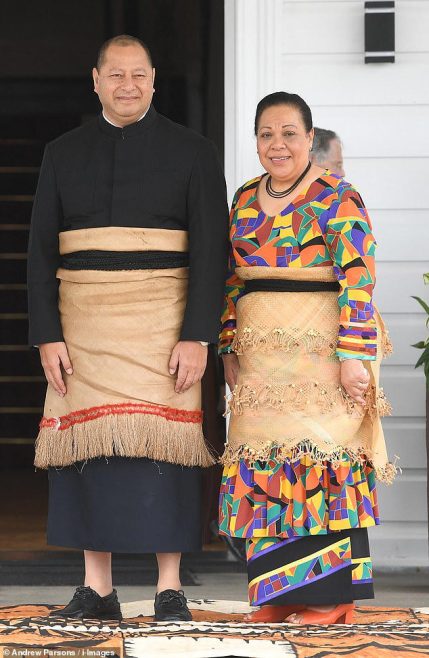
Tupou VI and his wife Nanasipau¿u Tuku¿aho pictured in 2018 when they met with the Duke and Duchess of Sussex © Provided by Daily Mail

For centuries, convention dictated that no other crowned royals should attend the coronation of a British monarch, in a tradition that lasted for 900 years.

This was based on the idea that the sacred event should be an intimate exchange between the monarch and their people, in the presence of God.

But Charles decided against this , which marks one of the ways he has tried to modernise the ceremony, meaning his crowned friends, including European royals and rulers from Arab states made it onto the guest list.

Prince Albert of Monaco and Princess Charlene

He was the first European royal to confirm his attendance at King Charles’ coronation, revealing the news at the end of January. 

Monaco’s crown prince, 64, spoke fondly of the British king, whom he described as ‘a very educated man and someone with a great sense of humour’.

He also suggested he was looking forward to the event, telling PEOPLE magazine he was ‘certain that it’s going to be an incredible ceremony and a very moving one’.

Albert added: ‘We’ve maintained contact since His Majesty became King, but I haven’t talked to him personally since the Queen’s funeral.’ 

The prince, who is looking forward to attending the king’s coronation, added: ‘I’m certain His Majesty will add his own personal touches to the ceremonies, but what those will be, I’m sure I don’t know.’ 

He will be accompanied by his wife Princess Charlene –  a South-African Olympic swimmer.

Earlier this year, Charlene and Albert were recently rumoured to have split after the Princess was pictured without her wedding ring.

During an appearance in Milan last month, 44-year-old Charlene’s ring finger was noticeably bare, prompting speculation that the Monegasque royals may be planning a separation.

However, later that day, the couple made a joint appearance at the Monte Carlo Woman of the Year awards, where Charlene appeared to be wearing her wedding ring – pouring cold water on the split rumours. 

Rumours about the couple’s marriage first circulated after Charlene was absent from Monaco for most of 2021 while having medical treatment in her native South Africa, and was admitted to a Swiss clinic to be treated for exhaustion on her return. 

However they are expected to put on a united front tomorrow. 

The pair share eight-year-old twins Jacques, Hereditary Prince of Monaco and Princess Gabriella, Countess of Carladès. 

Prince Albert of Monaco – who competed in bobsledding at the Winter Olympics five times from 1988 to 2002 -ascended to the Monaco throne after the death of his father, Prince Rainier III, on 6th April 2005. 

Coronation of King Charles III

Crown Prince Frederik of Denmark and Crown Princess Mary, Denmark

Crown Prince Frederik of Denmark will be in attendance tomorrow alongside his wife Crown Princess Mary, Denmark. 

Queen Margrethe – who is the only living European queen since the death of Queen Elizabeth – was unable to attend due to back surgery.

Last month,  Frederik presented ceremonial regimental flags to the 4th Battalion of The Princess of Wales‘s Royal Regiment at a ceremony in London.

It was a tumultuous autumn for the Danish Royal Family after the monarch stripped her younger son Prince Joachim’s four children of their prince and princess titles – a shocking move which he publicly spoke out against.

She has said the decision was intended to allow Nikolai, 23, Felix, 20 – born from Prince Joachim’s first marriage – and Henrik, 13, and Athena, 10, to live normal lives without royal obligations.

Instead of being Princes and Princesses, they are Counts and Countess and referred to as Their Excellencies – a change which is now reflected on the household’s website.

At the time, Prince Joachim publicly spoke out against his mother’s decision – claiming that his children had been ‘harmed’ in the process.

Later this year, the 53-year-old royal, who is sixth in line to the Danish throne, will relocate to Washington DC with his family to become defence industry attaché at the Embassy of Denmark.

King Carl XVI Gustav of Sweden and Crown Princess Victoria

Crown Princess Victoria of Sweden is expected to accompany her father to the Coronation in London© Provided by Daily Mail

At the age of 75, Carl is the longest reigning monarch in Swedish history, having took to the throne in 1973. 

King Carl XVI Gustav of Sweden is one of the European royals with the closest ties to the Queen. 

He is a great-great-grandson of Queen Victoria and was a third cousin of the late Monarch. 

That is because the Swedish King is the great-grandson of Queen Victoria’s son Prince Arthur, and is also related, on her mother’s side to Victoria’s eighth son, Prince Leopold, Duke of Albany. 

Following the King and Queen Silvia’s tour of Estonia this week, the monarch is expected to be accompanied to the Coronation by his daughter Crown Princess Victoria. 

King Felipe and Queen Letizia, Spain

Queen Letizia and King Felipe pictured at a gala dinner in Madrid this week – where they hosted Colombian President Gustavo Petro and his wife Verónica Alcocer© Provided by Daily Mail

It’s been a busy week for the Spanish royals – with King Felipe and Queen Letizia hosting Colombian President Gustavo Petro and his wife Verónica Alcocer in Madrid.

Following a state dinner last night, the Colombian couple are returning home to today while the Spanish royals jet out to London. 

Felipe is a distant cousin of Charles: his mother, Queen Sofia, was a third cousin of the Queen and a first cousin once removed of the Duke of Edinburgh. 

Following the death of Queen Elizabeth, who Felipe celled Aunt Lilibet, the Spanish royal wrote a touching letter to Charles.

He wrote: ‘Your Majesty, dearest Charles,

‘Deeply saddened by the sorrowful news of the passing of Her Majesty Queen Elizabeth II, your beloved mother.

‘I would like to offer Your Majesty and the British people, on my behalf and on the behalf of the Spanish government and people, our most heartfelt condolences.’

Crown Prince Haakon and Crown Princess Mette-Marit, Norway

The couple pictured with the Prince and Princess of Wales at Windsor Castle during their royal tour of the UK earlier this year© Provided by Daily Mail

There has long been a bond between the British and Norwegian royal families, which intensified after Germany visited Norway in 1940, and the royals came to stay in the UK.

Charles was names after the former King Haakon VII, who was known colloquially among friends and family as Carl, and called Uncle Charles by Queen Elizabeth.

Crown Prince Haakon is the great grandson of Haakon VII, and is set to represent his family at the coronation alongside his wife Mette-Marit.

Last month, the royal couple were welcomed to Windsor Castle by the Prince and Princess of Wales during their tour of the UK.

The two royal couples had previously met in 2018 during the then Duke and Duchess of Cambridge’s trip to Oslo.

Haakon is heir apparent to the throne of Norway. Despite being older, his sister Princess Märtha Louise of Norway is fourth in line to the throne due to Norway’s succession rules.

Mette-Marit was born a commoner, to farmers in Norway and was a single mother by the time of her engagement to Crown Prince Haakon in 2000.

She became Crown Princess after the couple’s marriage in 2001. Mette Marit has spent her reign championing humanitarian projects while joining official visits.

Her first official appearance was at the Nobel Peace Prize ceremony at Oslo City Hall on December 10, 2000, following the announcement of the couple’s engagement on December 1.

Grand Duke Henri and Grand Duchess Maria Teresa, Luxembourg

The Grand Duke of Luxembourg and his wife Maria Teresa are also guests at tomorrow’s ceremony. 

Henri, who came to power in 2000, is a relative of the Monarch via Leopold I, Prince Albert’s uncle.

Last year, the couple expressed their sorrow over the Queen’s passing on Twitter. 

The Luxembourg royal family wrote: ‘Their Royal Highnesses are deeply moved and saddened by the news of the death of HM Queen Elizabeth II, a monarch deeply attached to the friendship between our two countries.

‘HRH the Grand Duke will send a message of condolence on behalf of the people of Luxembourg to the British Royal Family.’

Crown Princess Marie-Chantal and Crown Prince Pavlos, Greece

Marie-Chantal, Crown Princess of Greece, will attend the historic ceremony tomorrow alongside her husband Crown Prince Pavlos of Greece. 

Prince Pavlos is the eldest son and second child of Constantine II, the last King of Greece from 1964 to 1973 and his wife, Anne-Marie of Denmark. 

Despite the Royal Family being abolished in Greece, the British royals still have a close relationship with their distant royals. 

Earlier this year, Princess Anne travelled to Athens to console Prince Pavlos at his father King Constantine’s burial ceremony.

In the 1990s, Constantine was stripped of his Greek citizenship and the state seized Tatoi and a palace on the island of Corfu – where Britain’s Prince Philip was born. 

King Willem-Alexander and Queen Máxima, the Netherlands

Queen Maxima will attend alongside her husband King Willem-Alexander. 

King Willem-Alexander is distantly related to King Charles – he was the Queen’s fifth cousin once removed thanks to an ancient connection in their family tree. 

Willem-Alexander is a descendant of Princess Carolina of Orange-Nassau, who was the daughter of William IV, Prince of Orange, and his wife Anne, the eldest daughter of King George II of Great Britain and his consort Caroline of Ansbach.

In 2018, the royal couple last visited the UK in 2018 – when Maxima greeted the late Queen with a friendly peck on the cheek. 

The Queen and the Duke of Edinburgh also paid a state visit to Queen Juliana and Prince Bernhard of the Netherlands in March 1958. 

King Abdullah II and Queen Rania, Jordan 

King Abdullah and Queen Rania of Jordan are also expected to attend the historic event tomorrow.

The royal couple flew over to the UK for the Queen’s funeral last September.

The Queen of Jordan opted to wear the same black ruffled coat that she had donned to meet the late Queen in 2001.

Queen Rania seemed fond of the late monarch and she referred to her as the ‘Queen of the World’ in a sweet Instagram tribute last year. 

Sharing a snap of herself with her husband at the state funeral in London she wrote: ‘Bidding farewell to a Queen whose legacy will never fade or be forgotten. With His Majesty at Her Majesty Queen Elizabeth II’s funeral in the UK.’ 

She said: ‘Despite being the most important person in the room, she always made you feel like the most important person in the room. 

‘She just had a very gentle and subtle way about her. Her elegance wasn’t just in her appearance but in the way she lived her life.

‘I just have the most wonderful memories of her, throughout the years, every time I met her, I felt she was warmer and warmer.

‘She didn’t always presume that you wanted her advice but she was very generous when you asked for it. I really looked up to her. To me, she is the queen of the world.’

Queen Rania also expressed her confidence in King Charles III as a leader calling him ‘incredibly intelligent.’

Crown Prince Fumihito and Crown Princess Kiko of Japan

Last month, Japan’s imperial household announced that Crown Prince Fumihito and Crown Princess Kiko will represent Emperor Naruihto, 63, at the historic event.

The royal couple were pictured arriving at Claridge’s hotel in Mayfair yesterday – where they will stay for their three day trip. 

 According to the Imperial Household Agency, Japan received an invitation from the British Royal Family to the coronation in March.

Although Emperor Naruhito and his wife Empress Masako attended the Queen’s funeral in September 2022, the ruler has asked his younger brother Crown Prince Fumihito, 57, to represent him at the coronation.

The Crown Prince is the current heir presumptive and his teenage son Akishino is second in line to succeed his uncle

King Philippe and Queen Mathilde, Belgium

The Queen’s distant cousin King Philippe of Belgium will be seated in the Abbey alongside his wife, Queen Mathilde. 

The monarchs share several common ancestors, including Franz, the Duke of Saxe-Coburg-Saalfeld, who was the grandfather of Queen Victoria and the father of King Leopold I of the Belgians.

They are also related via King Christian IX of Denmark, known as the ‘grandfather of Europe’ due to his far-reaching family tree. The Queen is King Christian IX’s great-great granddaughter. Philippe is his great-great-great-grandson. 

King Philippe and Queen Mathilde attended the service without their four children.

Hereditary Prince Alois and Hereditary Princess Sophie, Lichtenstein

Hereditary Princess Sophie of Liechtenstein will be in attendance during the event tomorrow alongside Alois, the Hereditary Prince of Liechtenstein.

Aged 54, he has been regent of his country since 2004 and has been raising his four children with his wife, Hereditary Princess Sophie.

His father, Hans-Adam II, the reigning Prince of Liechtenstein, was an eighth cousin of Queen Elizabeth

King Jigme Khesar Namgyel Wangchuck and Queen Jetsun Pema, Bhutan

King Jigme, the hugely popular fifth Druk Gyalpo, studied in the UK and the US and ascended the throne in 2006, aged just 26 after his own father abdicated. 

He attended a reception hosted by King Charles III at Buckingham Palace following the death of Queen Elizabeth II.

King Tupou VI and Queen Nanasipau’u, Tonga

Tupou VI has reigned as the King of Tonga since 2012 and is expected to attend the coronation with his wife Nanasipauʻu Tukuʻaho.

During his reign, the monarch has nurtured his close links with the British Royal Family

In 2018, Tupou met with the Duke and Duchess of Sussex during their tour of Australia and New Zealand.

His brother, Oxford-educated King George Tupou V passed away in a Hong Kong Hospital at the age of 63 in 2012, the cause of death believed to be linked to kidney problems.

Otumfuo Osei Tutu II and Lady Julia, Ashanti royals (Ghana)

Yesterday, King Charles welcomed Otumfuo Osei Tutu II – the King of the Ashanti Kingdom in Ghana – to Buckingham Palace.

The monarch is joined by his wife Lady Julia Osei Tutu for the occasion.

Charles was pictured beaming with the Asantehene as the pair laughed with each other. 

A multi-coloured fringed parasol was held over the Ghanaian monarch’s head as the encounter took place, with the cover denoting the visiting king’s seniority.

The King also met the Asantehene in November 2018 when the Asantehene and Lady Julia welcomed Charles and Camilla to Manhiya Palace in Kumasi, Ghana.

The Asantehene has a long-standing relationship with the British Monarchy, having met the Queen at Buckingham Palace in 2000; and Charles in Glasgow, where they both received honorary degrees. 

Yang di-Pertuan Agong and Raja Permaisuri Agong Tunku, Malaysia

Another royal couple jetting in from halfway across the world is Yang Di-Pertuan Agong XVI and the Raja Permaisuri Agong.

The couple are making the journey from their Palace in Malaysia to London this weekend.

It comes as King Charles held an audience with the couple at Buckingham Palace last October. 

It was one of the monarch’s first engagements after the two weeks of mourning for the late Queen ended. 

Yang di-Pertuan Agong Abdullah, 63, became the King of Malaysia in 2019.

As a young man, he completed his military training in the UK at Royal Military Academy Sandhurst.

Yang Di-Pertuan Agong XVI and the Raja Permaisuri Agong (pictured in 2019) are making the journey from their Palace in Malaysia to London this weekend.© Provided by Daily Mail

He will attend the ceremony with his wife, Raja Permaisury Agong Tunky.

Sultan Abdullah Sultan Ahmad Shah was crowned monarch after Sultan Muhammad V stepped down after the last his reported marriage to a Russian ex-beauty queen, Oksana Voevodina.

The ceremony was televised nationally and attended by Prime Minister Mahathir Mohamad and hundreds of guests decked out in Islamic finery.

Before being sworn in at the palace, the 63-year-old, who is also the ceremonial ruler of central Pahang state, was given a welcome at the national parliament and inspected a guard of honour.

His predecessor, Sultan Muhammad V stepped aside following just two years on the throne after he went on medical leave. Reports then surfaced he had married a former Miss Moscow in November.

King Tuheitia and Makau Ariki Atawhai, Māori royals (New Zealand) 

King Tuheitia and Makau Ariki Atawhai have travelled to London to represent the Māori community at the coronation. 

Earlier this year, King Charles made a point to involve Māoris in his first Commonwealth Day service at Westminster Abbey.

The King and Queen Consort were welcomed by Kiwi conch-blowers and a swaying Maori chorus who effectively drowned out a small cross-section of assorted protesters on the other side of the road. 

King Vajiralongkorn and Queen Suthida, Thailand

The Thai King and Queen will be in attendance at Westminister Abbey tomorrow.

They revealed ahead of the weekend that they would be attending a May 5 reception given by King Charles for invited heads of state and overseas representatives at Buckingham Palace.
‘We are still being dawn raided’, Tongan community leader tells public meeting

By RNZ.co.nz

A meeting has been held in Auckland between the government and those who lived through dawn raids past and present.

A public meeting that includeded government ministers and community leaders was called following an incident last week that was reminiscent of the Dawn Raids of the 1970s.

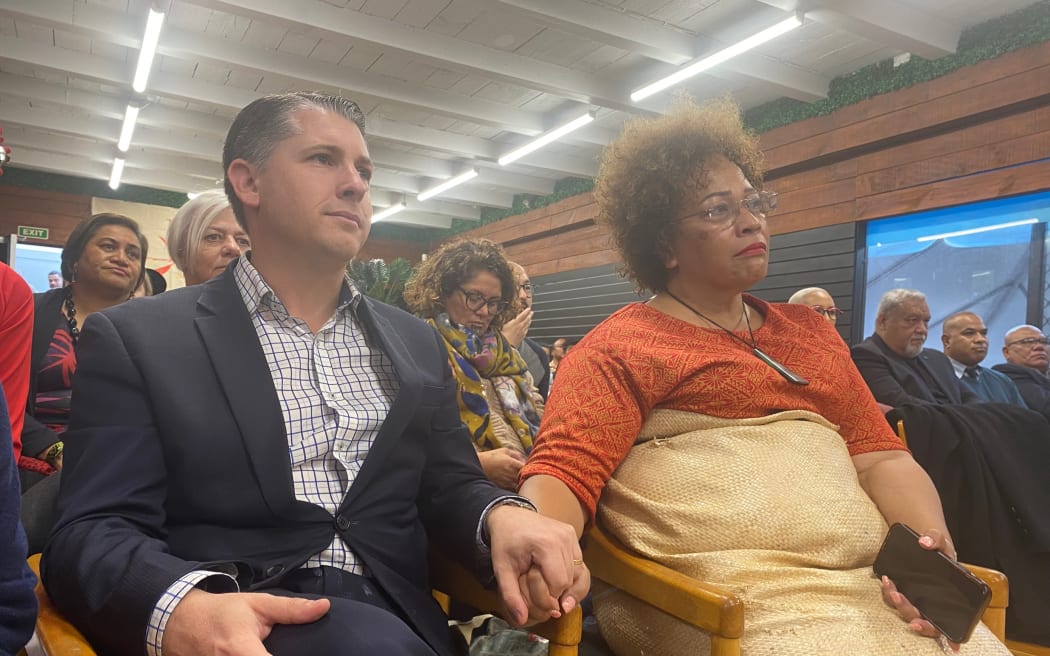
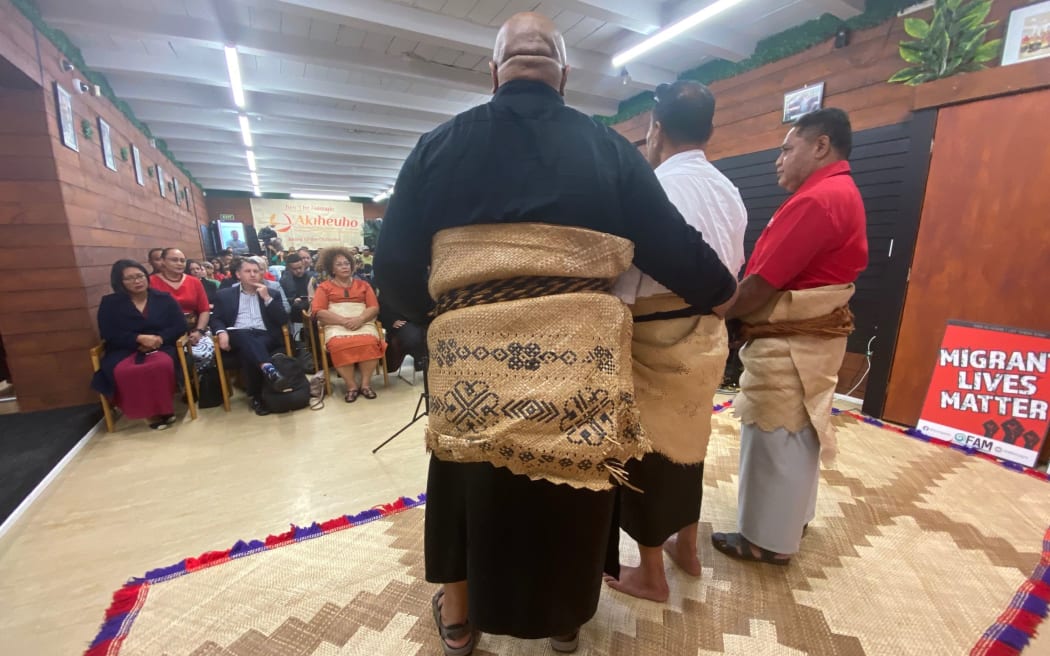
A public meeting that included government ministers and community leaders was called following an incident last week that was reminiscent of the Dawn Raids of the 1970s. Photo: RNZ Pacific / Lydia Lewis

The meeting attended by the immigration minister, six Pacific MPs and community leaders was sparked by revelations of a case last week where a Pasifika overstayer was detained after a dawn raid. His lawyer said police showed up at his home just after 5am, scaring his children and taking him into custody.

Less than two years ago, then prime minister Jacinda Ardern officially apologised on behalf of the government for the infamous early morning raids of the 1970s which she said left Pacific communities feeling “targeted and terrorised”.

Tongan community leader Pakilau Manase Lua opened Saturday’s meeting in an impassioned plea for the government to listen.

He told a packed room, “we are crying for our dawn raiders, we are still being dawn raided” – and asked how that was still happening after the apology

An overstayer who cannot be named for privacy reasons sharing his story at a public meeting in Ōtara on 6 May 2023 that was sparked by a recent dawn raid of Pasifika overstayer in Auckland.

An overstayer sharing his story at the meeting. Photo: RNZ Pacific / Lydia Lewis

An overstayer at the meeting who cannot be named to protect his identity shared his story directly with the immigration minister.

Tears poured as he spoke, saying “I ask the minister for some grace to help us”.

“If you grant us a piece of paper then we will work hard for New Zealand and we will never forget that,” he said.

Former Pacific minister Aupito William Sio, who led the dawn raids apology, called on Pasifika leaders not to disrespect and disregard the historic apology for them.

But Pakilau Manase Lua said that was not good enough.

“The apology was for me, my father who’s passed away, all of the overstayers that were passed away for the dawn raid. How dare you come and tell me off on my marae.”

Immigration Minister Michael Wood told the packed room he was shocked to find out what had happened recently and committed to change.

Woods said the government was considering an amnesty for overstayers, but he could not say when a decision would be made.

“This is a very significant issue for us to consider, the last time there was an amnesty in New Zealand was over 20 years ago, we have the advice in front of us now.

“I don’t want to give a date and set up a false expectation and raise hopes, I’ve given a very clear undertaking to people here today it will be soon.”

Amnesties were a complex issue and official advice needed to be carefully considered, he said.

‘Tragedy struck today’, daughter laments mother, grandchild’s death in Tongatapu house fire

 Neighbours attempted in vain to put off a horrific house fire where a grandmother and her granddaughter died in Tofoa overnight.

The bodies of the victims were found inside the remains of the house after the blaze tore through the property early this morning.

Victoria Grace. Photo/Supplied

Seluvaia Taukolo and her granddaughter Victoria Grace had been identified as the victims.

Former MP for the town Sangster Saulala said firefighters attended the scene but to no avail.

Seluvaia’s daughter Vika Taukolo has been devastated by the fatality.

“Tragedy struck today and the feeling is not only overwhelming but there’s a sense of loss that cannot be explained”, she wrote on Facebook.

“There’s a void that cannot and will never be filled.

Seluvaia Taukolo. Photo/Supplied

“I can only thank God for the eternal plan of salvation that has and will always be a comfort to me.

“Mate he ‘ofa atu mom and Victoria Grace. your smiling and loving face will be forever engrained in our hears”.

Drunk driver,66, who crashed killing girl,2, remains in Vaiola hospital

A driver was allegedly drunk before crashing his vehicle into a tree killing a two-year-old baby and injuring others.

The fatality happened on Saturday, April 29, 2023 at around 6.45 pm at Navutoka.

It said the driver drove recklessly and crashed onto a toa tree on the side of the Halatahi road.

“The driver, a 66-year-old male was heading in the northern direction on the Halatahi Road in Navutoka with 3 passengers, a 69-year-old male from Kolofo’ou and his two young daughters, aged five and two”, Police said.

It said the driver “who was intoxicated at the time lost control of the wheel, which caused the car to swerve to the right side of the road where it crashed onto the ‘toa’ tree causing injuries to him and his passengers”.

The victims were rushed to the hospital and at around 10 pm, Vaiola hospital confirmed the passing of the two-year-old girl.

Police investigations into the incident are ongoing while the others, including the driver remain at the hospital.

“This is the first road casualty for Tongatapu so far this year, and it is the second for the Kingdom with the first road fatal victim was from Vava’u early in the year.

“Tonga Police continues to urge drivers to take their responsibility while driving seriously and in particular, to be mindful while behind the wheels especially when your passengers’ lives depend on you.  “Be cautious for your safety and the safety of others to avoid causing unnecessary harm.

“Contact Police at 740-1630, 740-1632 or 922 to report crime”.

Young trombonist to create new Tongan jazz music genre  

A young Tongan graduate from the University of Auckland is looking at creating a new style of Tongan music.

Helen Pahulu (centre) with her mum Ana and brother Viko. Photo: Billy Wong.

Helen Pahulu’s graduation this week has been historical in the sense that her family’s inspiration was part of her achievement.

“I watched my mum graduate, so it’s exciting to have my mum watching me graduate,” she says. 

Helen’s mum Ana arrived from Tonga in 2000 and went on to study at the University of Auckland before becoming a high school English teacher. 

“My mum couldn’t afford kindergarten or childcare, so she used to take me to classes with her,” says Helen.  

“For me, graduating is like a full circle experience.” 

The 22-year-old singer and trombonist from Māngere, Auckland majored in jazz for her Bachelor of Music degree. She says her aim is to fuse jazz with Pacific music to create songs that showcase her Tongan heritage. 

“It’s two genres of music that mean a lot to me,” she says. “Having my cultural heritage mixed in with what I was studying brought a lot more meaning to my degree.” 

Helen discovered her passion for music from performing in church when she was young. 

“In Tongan churches, singing and brass bands are quite big. I was 10 or 11 years old when I started playing a brass instrument, but in Year 9 my school got me to switch over to trombone because it’s quite a versatile instrument. And it was through trombone that I started playing in jazz bands.” 

She also credits her high school music teacher Thomas Cho for having a huge influence on encouraging her to take her craft seriously. 

“He was actually quite strict, but it was because of his teaching that my music has gotten to the standard it is now.” 

“Studying music at University isn’t as intimidating as I thought it was going to be,” says Helen Pahulu. Photo: Billy Wong.

At first, the idea of heading to University to study music seemed daunting, but that changed after a group of music students from the University visited her high school.

“After talking to one of the students, I thought ‘this is something that I could do,’” she says.  

“Studying music at University isn’t as intimidating as I thought it was going to be.” 

During her studies, Helen co-founded a support group called The Collective to “encourage and empower” other Pacific music students at University.  

“To be very honest, I don’t think a lot of Pacific Island kids are encouraged to take up performing arts. Usually, the goal for Island parents is for their kids to do law or engineering, or to become doctors.  

“But there is a whole lot of musical talent within our Polynesian communities.” 

Dawn raid tactics still happening, despite government apology

By RNZ.co.nz

The government is investigating the case of a Pasifika overstayer who was detained after a dawn raid in South Auckland last week.

New Zealand Prime Minister Jacinda Ardern is covered during a ceremony in Auckland as she asked for forgiveness from Pasifka people for the 1970s Dawn Raids

The man’s lawyer, Soane Foliaki, said police showed up at 5am, scaring his children and taking him into custody – and though Immigration NZ has disputed the timing, it has admitted the early morning raid was not a one-off.

Two years ago the government apologised for the infamous dawn raids of the 1970s, and Prime Minister Chris Hipkins said he did not expect them to be happening any more.

“That does concern me. Those aren’t the sorts of tactics that I would expect us to be using in New Zealand.”

Hipkins said he had assurances no ministers were aware of what was going to happen, and Associate Immigration Minister Rachel Brooking is reviewing the man’s case.

In a statement, Immigration said it was rare for officers to show up early in the morning, and in this case the decision was approved by the national manager of compliance.

It said of the 623 “customers” it “interacted with” between last July and the end of April, just 3 percent – about 18 or 19 – were contacted “outside of hours”. The “vast majority” of visits were carried out between 7am and 9pm.

Foliaki was there when then-Prime Minister Jacinda Ardern delivered the historic apology, and said Pasifika would be disgusted to find out the tactics were still being used.

He said the family were still asleep, the children – staying downstairs in the two-storey rental – the first to hear people banging on the door, and covering potential “escape routes” their dad might take.

“They were terrified … and crying and very, very upset and scared,” he told Morning Report on Tuesday.

“And the parents heard it from upstairs – it was that loud – and they looked out the window from upstairs and saw that it was police. So they ran downstairs to try and calm the children.”

Their father was taken to the Manukau Police Station.

Immigration NZ told RNZ officers showed up at 6am, not 5am. Early morning visits are paid when Immigration does not believe the person will be home during the day.

“Look, I don’t believe that at all,” Foliaki said. “My instructions from my client was quite clear – it was at 5am. The chap, he works as a construction worker and he said, you know, if it was at 6am he would have left the house by then already…

“Early in the morning is one thing – coming in the cover of darkness is another thing.”

Foliaki said at this time of year, 6am would still be “coming in the cover of darkness”.

“This raid was no different from any other raid in the ’70s.”

Hipkins was flying out of the country today to attend King Charles’ coronation in the UK. In his place Deputy Prime Minister Carmel Sepuloni, herself the daughter of a Samoan migrant, told Morning Report she was “deeply concerned” by the lawyer’s claims.

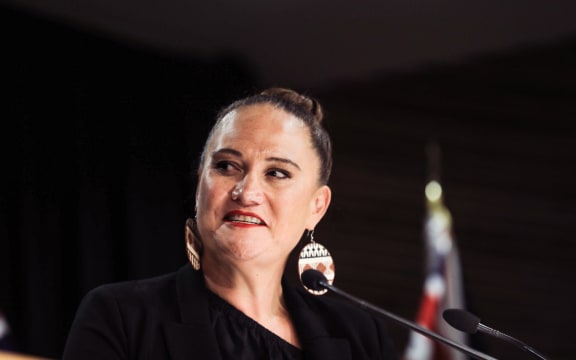
Carmel Sepuloni

Deputy Prime Minister Carmel Sepuloni. Photo: RNZ/ Samuel Rillstone

“Dawn raids were of course a very traumatic experience for our Pasifika communities, and we don’t want our Pasifika communities to have to relive that. So, we do need to ask questions here, and I have confidence in the minister for immigration asking the right questions with regards to what’s going on.”

Immigration’s admission it has carried out about 18 or 19 out-of-hours visits did not render the government’s historic 2021 apology hollow, Sepuloni insisted.

“But what we need to make sure of is that we are not retraumatising the Pacific community by this type of activity, and so we’re asking the right questions and we will be following this closely.”

Foliaki said at the time, he thought Ardern’s apology was “very, very genuine” and “humbling”.

The 1970s dawn raids overwhelmingly targeted Pasifika – while they made up only a third of overstayers, they accounted for 86 percent of all prosecutions. US and UK citizens made up another third of overstayers, but only 5 percent of prosecutions.

Foliaki said it was not clear if the modern-day dawn raids are racially motivated, but would like to get figures via the Official Information Act.

“Of the 18 raids, if they happened in the dark, how many of them were European and how many of them were Pacific? We don’t know… If it comes out that there is more Europeans and [non-Pasifika] who are illegally in this country and we have a high figure and nothing at all of these rates happening with the Europeans, of course, we’re gonna say that it’s racist.”

He said his client was the family’s “breadwinner”, and has been “in a relationship for some years with a New Zealand citizen, and who is looking after children”, so has a pathway to residency.

“Ministers of immigration have [said] in the past, if they have a pathway forward, let them test their eligibility for residency by granting them a temporary visa…

“We have a convention for the rights of the children – we’re supposed to protect the family, protect the children, don’t harm them. You know, removing dads and breaking up family units like this is just absolutely, it’s against a convention for which we are a party.”

Smaller covid waves in NZ, but still ‘major uncertainties’ – professor

Oku taupotu i lalo ha fakamatala fakaTonga

New Zealand is in the grip of a fourth wave of covid but it is predicted to be smaller than previous mass outbreaks.

The most recent analysis from the Public Health Communication Centre at Otago University indicates there could be up to 12,000 hospitalisations and more than a 1000 deaths this year from covid.

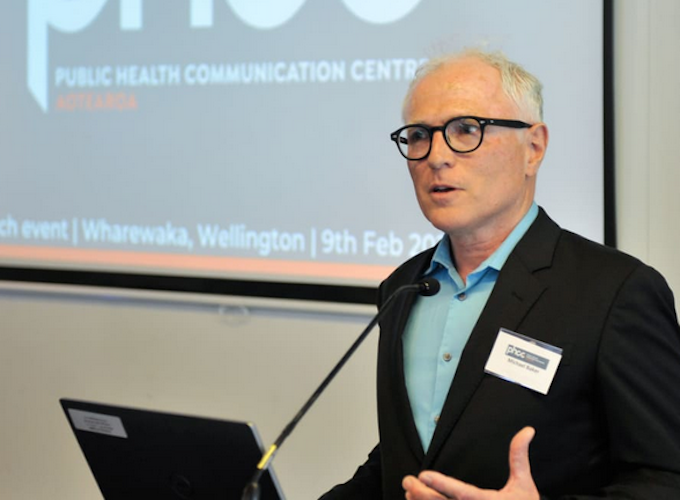
Professor Michael Baker . . . “The virus is a source of inequalities with Māori and Pasifika markedly more likely to be admitted to hospital and die from this infection.” Image: RNZ

Leading epidemiologist Professor Michael Baker said the fourth wave was potentially driven by a rise in the XBB subvariant, which had become dominant in the last two months — exacerbated by waning immunity and people spending more time indoors with the cooler weather.

“This pattern of small to moderate sized waves may indicate what we can expect to see with covid-19 in coming years. But there are still major uncertainties given the potential for this virus to continue to evolve,” he said.

A Flourish data visualization

There was growing evidence that subsequent infections tended to be less severe, which was good news — but there was no room for complacency, Professor Baker said.

“It’s a very different virus to influenza.

“With influenza, you might get it once or twice a decade. But with covid 19, it looks like you might get it once or twice a year.

“And each time you get this infection you’re running all of those risks of getting seriously ill, going to hospital or worse, and potentially developing long-term effects.”

Even those who escaped serious illness could be off work some time, which was having an impact on the workforce.

Covid-19 was still the leading cause of death from infectious disease in New Zealand, with 2419 deaths last year.

“Covid-19 is also a major cause of hospitalisation, with more than 22,000 admissions in 2022… and the virus is a source of inequalities with Māori and Pasifika markedly more likely to be admitted to hospital and die from this infection.”

FAKAMATALA FAKATONGA

‘Oku vavalo’i ‘e toe aake mai hano tu’o fa ‘a e Koviti ki Nu’u Sila ni neongo ‘oku pehe ‘e si’is’i pe ‘ikai lahi hange ko ‘ene fua tō mai.

‘Oku mahino mai ‘i ha ‘analasisi mei he Public Health Communication Centre mei he  Otago University ‘e a’u ki he tākotoa fale mahaki ‘e toko 12,000 pea mo e mate ‘e 1000 he ta’u ni he Koviti’.

Oku hoko e vailasi ko ha ma’u’anga ‘o e ‘ikai potupotu tatau pea ‘oku hange ‘e hoko ai ‘a e kakai Maori mo Pasifika ke lahi ange hano ‘ave kinautolu ki fale mahaki pe mate mei he mahaki pipihi ko eni, fakatatau kia Palofesa Michael Baker.

Pehe ‘e Baker ko e akenga hono fa ko eni o e Koviti ‘e lava ke mahiki ia tu’u he fotunga fo’ou XBB subvariant, ‘a ia ne fu’u fakaaoao ‘i he mahina ‘e ua kuo hili’ –  faka’asili ‘ene kovi ‘aki ‘a e holo ‘a e ‘imiunitii mo e lahi nofo fale ‘a e kakai mo e mokomoko ange a e ‘ea.

Oku talotoloto pe ‘a e peteni ko eni ka hoko mai ‘a ene toe aake ka oku faka’ilonga mai ai ‘e me’a ke tau ‘amanaki ki ai ‘i he ngaahi ta’u ka hoko mai. Ka oku kei lahi pe ‘ikai ha fakapapau’i koeuhi ko e natula ke toe maliuliu ‘a e fotunga ia ‘o e koviti’.

Kuo ‘i ai ‘a e ngaahi fakamooni kuo ‘alu pe  taimi mo hono tanaki mai ‘o pehe ko ha toe pihia ki mui mai ‘e ‘ikai fu’u fakatu’umaki ‘a ia ko e ongoongo lelei ia – ka ‘oku ikai ha loki ki he fakata’eta’ekuhaa’, ko e lau ia ‘a Palofesa Baker.

Oku kehe ‘aupito ‘a e vailasi ia ko eni mei he  influenza.

Ko e influrnza t eke ala ma’u tu’o taha pe tu’o ua ‘i ha ta’u ‘e 10 ka ko e Koviti 19 ‘oku ngali t eke ma’u tu’o taha pe tu’o ua ‘i he ta’u.

Oku kei hoko pe ‘a e Koviti 19 ko e mahaki lahi taha ia kuo hoko ai ‘a e mate fakatokolahi ‘i Nu’u Sila ‘a ia ko e toko 2419 he ta’u kuo ‘osi.

NZ Ministry of Health abandons Covid infection survey

Oku taupotu ‘i lalo ha fakamatala fakaTonga

A long-awaited survey of Covid-19 infections has been abandoned by the Ministry of Health.

In a statement, a spokesperson said it was no longer needed.

“Aotearoa New Zealand has passed the emergency stage of its Covid-19 response, with the virus endemic in our communities. The results of any Covid-19-focused prevalence survey would be unlikely to meaningfully alter any current public health response as there are only two pandemic-related mandates still in place.”

The remaining mandates were for masks to be worn in healthcare facilities and for positive cases to isolate for seven days.

“The ministry accepts it took longer than expected to reach this conclusion, given the challenges of a multi-stakeholder, complex project developed during the health reforms,” the statement said.

The two surveys were announced by former director-general of public health Ashley Bloomfield. In July 2022, he said an infection survey would test 100 people a week over a six-month period. The second survey, a seroprevalence survey, was a blood test to see if people had previously had Covid-19.

“Both are well developed and nearly ready to start rolling out in the next few weeks,” he said at the time.

In November, deputy director of health Andrew Old told RNZ it had taken longer than expected and would be delayed until July this year, citing Covid-19, winter illness and health reforms as the the reason.

Today’s announcement the surveys had been abandoned was disappointing news to Covid-19 modeller Dion O’Neale.

“It’s good to have it confirmed as cancelled, rather than perpetually being told it’s a month away, or six months away.”

He said the infection survey would have provided information which could help with modelling the impact of changing the current isolation rules.

If the survey showed people only a small portion of people with Covid-19 were isolating, then reducing the isolation period, or removing it completely wouldn’t have a large impact. If most people are still following isolation rules, then removing them “could have a huge impact”, he said.

“Trying to model what the consequences are of changing case isolation, and the absence of knowing that gets trickier.”

He was also concerned at how prepared New Zealand was for another serious disease outbreak, where a prevalence survey could provide valuable information.

“It has taken us three years to not get one going. We don’t want to be in a situation where we have an emergency again, where we need to have a prevalence survey up and running within weeks – and we’re not prepared for one.”

The seroprevalence survey would be useful to see who has had Covid-19 across the country and where the burden of long Covid may lie, he said.

A Ministry of Health spokesperson said prevalence surveys were expected to be a key tool in future public health surveillance, and said will benefit from the work which has been done on the cancelled project.

FAKAMATALA FAKATONGA

Kuo li’aki ‘e he Potungaue Mo’ui ha ola ‘o ha savea ki he pipihi ‘o e Koviti 19 ne fai ha tatali ki ai.

I ha fakamatala ne pehe ai ‘e he matāpule na’e ‘ikai toe fiema’u ia.

Kuo paasi ‘a Aotearoa Nu’u Sila ia mei he tu’unga fiemau fakavavevave ne ‘i ai ‘ene tali ki he Koviti-19, i he to ‘a e vailasi ‘i he ngaahi komiunitii. ‘Oku ‘ikai ha toe fu’u ‘uinga lelei ia ke liliu ‘a e tu’unga ‘a hono tokangaekina’o e vailasi ‘e ha savea pehe he ko e meniteiti pe ‘e ua oku kei tu’u.

Kuo pehe ‘e he Potungaue na’e fuoloa ange ‘i he faka’amu pea toki iku o tali ‘a e aofangatuku, koeuhi ko e pole ‘o e kau seahoulutaa’ mo kau fa’u poloseki lolotonga ‘a e fakafo’ou.

Ko e ongo savea ko eni ne fanongonongo ia ‘e he talekita seniale ki mu’a ‘o e public health ko Ashley Bloomfield. Na’a ne pehe i Siulai 2022 ‘e fai ‘a e savea ‘o e mahaki pipihi pea e tesi ai ha kakai ‘e toko 100 he uike ‘i ha piliote ko e mahina ‘e ono. Ko e savea hono  ua ko ha savea seroprevalence survey, aia ko ha sivi toto ke sio kapau na’e ma’u ‘e he kakai ‘a e Koviti-19 ki mu’a.  

Ne ne pehe ne ‘osi kamata pea ne ‘osi mateuteu ke kamata leva ‘i he ngaahi uike hono hoko’.

‘I Novema na’e fakaha ai ‘e he Tokoni Talekita o e Mo’ui ko Andrew Old ki he RNZ ‘e toe ki’i loloa atu ia he me’a ne fai ki ai ‘a e ‘amanaki’ pea ‘e toloi kae ‘oualeva ke a’u ki  Siulai ‘o e ta’u ni’, ‘o ne ‘ai hake ‘a e Koviti-19 mo e pule he fa’ahi ta’u Momoko mo hono fakafo’ou ‘o e health ‘a e ngaahi ‘uhinga ki he toloi.

Ka i hono fanongonongo ko ia he ‘aho ni kuo ‘ikai toe fakahoko na’e fakamamahi ia ko e motela o e Koviti-19 ko Dion O’Neale.

Sai ang eke tala mai kuo kaniseli ‘i hono ‘ai ke pehe ‘e toloi ha mahina pe mahina ‘e ono.

Na’a ne pehe ko e ola ‘o e savea ko eni ne mei tokoni lahi ke ma’u ai ha ngaahi fakamatala  e ala tokoni ki hono fa’u o ha ngaahi liliu ki he ngaahi tu’utu’uni o e fakamavahe’i ‘oku lolotonga fakahoko’.

Crew of MV ‘Otuanga‘ofa ask authorities to ‘have some kind of a kind heart’ and reverse charges for cargo carried from New Zealand

The crew of the MV ‘Otuanga’ofa, which spent six months in dry dock in Auckland, claim their employers have kept part of their daily allowance to pay for freight, after they were told it would be free.

Captain Vivili Fifita (L)< Chair of the Shared Board Transport Sector Dr SIone Ngongo Kioa. Photo/Patimiosi Ngungutau

The crew said they ran short of food in Auckland and had to gather water from the roof of the ship in an area infested with birds.

They also said it had come as a shock to discover they had no health insurance.

In a letter to the Shared Board Transport Sector’s Chairman Dr Sione Ngongo Kioa, crew members said they were disappointed after the government’s Friendly Islands Shipping Agency (FISA) used part of their travelling allowance to pay for cargo given to them for free while they were in New Zealand. 

A copy of the letter, which was seen by Kaniva News, criticises the government for failing to look after the crew and making sure they were protected and safe.

“I am writing on behalf of the crew members and to express our disappointment against how the Friendly Island Fishing Agency handled the struggles we encountered while in New Zealand”, the letter of complaint by a member of the crew read in Tongan. 

“We left Tonga for New Zealand on September 16. We were told we would be only staying there for 27 days. However, we continued to stay there longer than expected and there was a shortage of food, water and we had to share the only small amount of food and water we had at the time.”

A crew member became ill soon after the inter-island ferry arrived in Auckland and while  processing his medical needs it was discovered that the crew did not have any medical insurance.

The shipping agency later said it paid for the crew’s health checks and medical appointment in New Zealand.

Kaniva News has seen a receipt dated April 5, 2023, for a total of TP$12,880. We understand this was for the freight charged by FISA for the complainant’s cargoes. 

It is understood part of the travelling allowance payments were paid to crew members while they were in New Zealand. There have been complaints that the allowances were  not paid on time. 

FISA board member Tu’imoana Takataka visited New Zealand and it is understood he was asked by Captain Vivili Fifita about the crew members’ cargoes they were expecting to take with them to Tonga when the ferry returned.

The letter claimed Takataka confirmed to Fifita that the crew members’ cargoes would be carried free of charge.

“Our heart were full of happiness and so we accepted all the goods and donations we received from our relatives and friends in New Zealand,” the letter to the Transport Sector’s chairman said.

“Unfortunately, when we arrived in Tonga on April 6 after leaving Tonga for about seven months we were given a different version of the story. The freight charges were devastating. Therefore I am appealing to you to remove the freight charges as our family could not afford them. The duty charges are a must and we have to pay that. But the decision for freight charges is a matter for the board of directors to decide.”

Another letter sent to the board of directors said: “I understand that FISA’s board of directors has passed a decision for Captain Vivili Fifita to charge freight fees to all cargo from New Zealand belonging to the MV ‘Otuanga’ofa crew members.  The freight cannot be paid by instalment. If the crew members would not pay FISA would use their travelling allowance to pay for their cargoes.


“Many of us crew members had to borrow money after the ferry arrived in Tonga to pay for our cargo out as it was Saturday and we were told if our cargo was not cleared immediately there would be wharfage charges.

“Our travelling allowance for crew officers were $100 per day while crew members were $80 daily and the captain was $500 a day. Our lunch money was $10 a day. We struggled while being in New Zealand. There was shortage of food and I helped by providing food, laundry and medical assistance such as health checks costs. 

“We collected rainwaters from the vessel’s rooftop where birds used to live and the location was close to the sewerage outlet. The freight charges for our cargoes as crew members is lacking in common sense. Customs has agreed for us to pay half of the duty charges and will settle them later through an instalment payment arrangement. Meanwhile, FISA, the company which we cherished and where we get paid to buy bread for our family, is making us disappointed.

“I would like to double check with you whether that was the decision which has been just passed on to Captain Vivili Fifita to make us unhappy as I think we are not being treated equally in terms of what types of cargoes we brought from New Zealand. This is only part of the many issues that I have yet to raise.

“I wish that you board members have some kind of a kind heart and return our travelling allowance pay together with giving us some other form of assistance available to help us ease the stress and pain.”

Kaniva News has seen a letter which appears to be from the Transport’s chair of board of directors Dr Sione Ngongo Kioa, saying the crew had to listen to what Captain Fifita told them about the freight charges.

Kaniva News has contacted Dr Kioa and Captain Fifita for a response to the crew’s complaints.

Covid-19: 12,383 new cases to report, 44 deaths

‘Oku taupotu ‘i lalo ha fakamatala fakaTonga

There have been 12,383 new Covid-19 infections reported in New Zealand over the past week.

The numbers cover the week from Monday, April 17 to Sunday, April 23.

As at midnight Sunday there were 292 people in hospital with the virus.

Nine people were in an intensive care or high dependency unit as at midnight Sunday.

Forty-four more people with the virus have died.

Of that number, 11 were from the Auckland region, two were from the Waikato, two were from the Bay of Plenty, two were from Lakes, one was from Tairawhiti, two were from Hawke’s Bay, one was from Taranaki, three were from MidCentral, three were from Wellington region, three were from Nelson Marlborough, nine were from Canterbury, one was from South Canterbury, four were from Southern.

One was in their 20s, two were in their 40s, three were in their 60s, six were in their 70s, 22 were in their 80s and ten were aged over 90. Of these people, 23 were women and 21 were men.

The number of deaths confirmed as attributable to Covid-19, either as the underlying cause of death or as a contributing factor, is 2736.

FAKAMATALA FAKATONGA

Ko e keisi fakakatoa ‘e 12,383 ‘o e Koviti 19 ne mafola ‘i N’u Sila ‘i he uike kuo ‘osi.

Ko e fika ‘eni mei he Monite ‘Epeleli ‘aho 17 ki he Tokonaki ‘Epeleli ‘aho 23.

I he tu’uapo Sapate ne a’u ki he kakai ‘e toko 292 ne ‘i falemahaki tu’unga he vailasi.

Ne toe mate mo ha kakai ‘e toko 44 he vailasi’.

I he fika ko ia ko e 11 Auckland region, ua ‘i  Waikato, ua mei he Bay of Plenty, ua mei he  Lakes, taha mei  Tairawhiti, ua mei Hawke’s Bay, taha mei  Taranaki, tolu mei he MidCentral, tolu mei  Wellington region, tolu mei  Nelson Marlborough, hiva mei Canterbury, taha mei South Canterbury, fa mei he Southern.

Ko e tokotaha i hono ta’u 20 tupu, ua ‘i he ta’u 40, tolu mei he 6t, ono ‘i honau 70t, 22 ‘i honau 80t pea 10 ‘i honau 90t. Ko e toko 23 kakai fefine pea 21 kakai tangata.

Kuo fakapapau’i ko e mate ‘eni mei he Koviti 19, ‘o ka ‘ikai pe ko ha mahaki tauhi pe ko e tokoni ‘a e Koviti ki he’ene mate. Ko e mate fakakatoa ‘eni ‘e toko 2736 ‘i Nu’u Sila.