Home Blog Page 248

People urged to vaccinate and get booster shots as third Covid wave predicted in New Zealand

‘Oku taupotu ‘i lalo ha fakamatala fakaTonga

People are being urged to ensure they have been vaccinated and had had booster shots as experts predict a third wave of Covid-19.
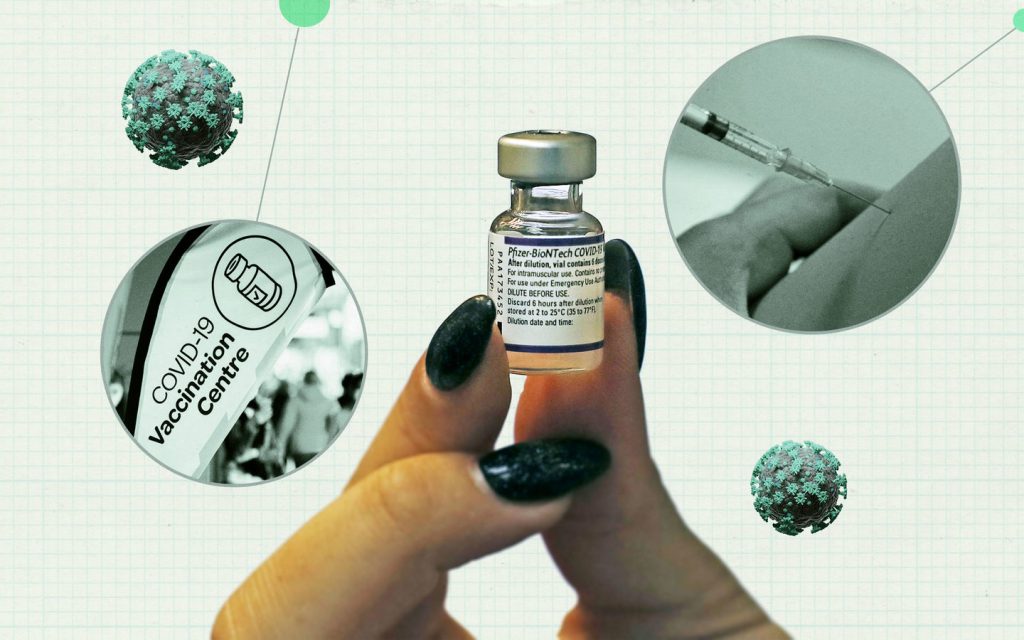
Booster shots were critical in defending people from Covid, one expert has said.

Predictions of a third wave have been made as the number of cases has risen. There are 6000 cases in Auckland.

New Covid infections have jumped by more than 1500 cases in a day. On Thursday the Ministry of Health reported 3923 new Omicron cases across New Zealand. On Wednesday, October 26, there were 2410 infections.

This week the ministry reported 16,399 cases over the past week – an increase of about 2000 infections in seven days.

On Monday, there were 243 people in hospitals across New Zealand with the virus and six in intensive care. That number has risen since protection framework restrictions were lifted in September when case numbers were low.

The ministry also reported 41 deaths, including one person aged between 10 and 19.

While BA.4/5 remained the dominant variant across New Zealand, wastewater monitoring has recently detected a new subvariant BQ.1.1 in West Auckland, Rotorua and Porirua.

There is also a case of XBB, a recombinant variant that is made up of genetic material from two other subvariants.

Professor Michael Plank, who teaches mathematics and statistics at Canterbury University and models Covid, said New Zealand was likely to see a third wave of infections.

He said the country would follow the similar trends seen in Europe, and the question was not if there would be a new wave of infections, but how large it would be.

A third wave of the Omicron variant of Covid-19 was likely to hit the country this year, epidemiologist Professor Michael Baker said.

Professor Baker, from Otago University, said Singapore, whose experience of the pandemic has been similar to New Zealand’s, was also experiencing a steady rise.

“That may be what we’ll see here,” Professor Baker said.

Baker said it was “slightly worrying” to see cruise ships back in New Zealand waters with about 130 infected people on one ship that has berthed at Wellington.

However, with 10,000 people flying in daily from overseas, cases on cruise ships would make a relatively small contribution to the country’s Covid-19 toll.

Baker was concerned that many adults had not lined up for their booster shots.

“That’s really a critical step and still the best measure that people can take to protect themselves and it does help against these new variants as well.”

Covid-19 modeler David Welch said a range of different factors, including loosened restrictions, waning immunity and new sub-variants would affect the third wave.

It appeared the doubling rate was around three weeks and not rising quickly, which might mean the coming wave would be smaller and shorter than the second wave.

Review

Last week, the Government announced it would be winding down special powers that enabled it to order lockdowns, vaccine mandates and managed isolation and quarantine before the end of the year.

However, requirements for infected people to isolate – which Australia recently scrapped – along with masking mandates in health and aged-care facilities have been retained.

People are urged to ensure they have been vaccinated and had had booster shots.

The next review of remaining isolation and mask-wearing measures will take place by the end of November.

FAKAMATALA FAKTONGA

‘Oku kolea ai pē ‘a e kakai ke fakapapau’i ‘oku nau huhu malu’i mo booster he ko e fakafuofua ‘a e kau taukei ‘e ‘i ai ha toe ta’au hono 3 ‘a e Kōviti -19.Na’e pehē ‘e ha taha ‘oe kau mataotao ko e huhu booster ‘oku fai e fakafuofua lelei ki hono malu’i e kakai mei he Kōviti. Kuo fai ha fakafuofua ki ha toe takai tu’o 3 mai ‘i he ‘a’alu ko ‘eni ‘a e toko lahi ‘o e keisi ki ‘olunga. Ko e keisi ‘e 6000 ‘i ‘Aokalani. Kuo ‘alu e ma’olunga ‘o e kau puke fo’ou ‘o lahi hake he toko 1500 ‘i he ‘aho. Na’e lipooti ‘e he Potungāue Mo’ui ‘i he ‘aho Tu’apulelulu ha keisi Omicron fo’ou ‘e 3923 ‘i Nu’usila fakakātoa. ‘I he Pulelulu 26 ‘o ‘Okatopa, na’e ‘i ai e kau puke ‘e toko 2410.Na’e lipooti ‘e he potungāue ‘i he uike ni ha kau puke ‘e toko 16399 ‘i he uike kuo ‘osi, ko e hiki hake ia ‘aki ‘a e toko 2000 ‘o e kau puke he fo’i ‘aho ‘e 7.’I he Mōnite na’e tākoto falemahaki ai ha toko 243 ‘i Nu’usila ko e vailasi pea toko 6 he loki tokanga’i makehe. Kuo ‘alu hake toko lahi hili ko ia hono to’o ‘o e ngaahi tefito’i tu’utu’uni ‘o e fakataputapui ‘i Sepitema ‘i he taimi na’e toko si’i ai ‘a e keisi.Na’e toe lipooti ai pe ‘e he potungāue ha kau mate ‘e toko 41, kau ai ha taha ta’u 10 mo e 19. Lolotonga ko ia ‘a e kei mālohi taha ‘a e kalasi BA.4.5 ‘i Nu’usila, kuo fakatokanga’i ai ‘a e kalasi fo’ou ko e BQ.1.1 ‘i he fakatafe’anga vai ‘osi ngāue’aki ‘i he hihifo ‘o ‘Aokalani, Lotolua mo Polilua. ‘Oku toe ‘i ai mo e keisi ‘i he XBB, ko ha tuifio ia ‘a e kalasi ‘o fatu ai ha toe ki’i me’a mo’ui nei he ongo kalasi kimu’a.Na’e pehē ‘e Palofesa Michael Plank, ‘oku faiako fika mo Sitetisitika he ‘Univēsiti ‘o Canterbury, ‘e ngalingali ka fetaulaki ‘a Nu’usila mo e toe takai tu’o 3 mai ‘a e mahaki pipihi ni. Na’e ne pehē ‘e ala ke toe fou atu ‘a e fonua ‘i he hifonga tatau na’e fou ai ‘a ‘Iulope, pea ko e fehu’i ‘oku ‘ikai ko e hoko mai ‘a ha toe ta’au fo’ou ‘o e to’u mahaki, ka ko e ‘e fēfē hono lahi?Ko e ta’au hono 3 mai ‘a e kalasi Omicron ‘o e Kōviti – 19 ‘oku naglingali ke ne toe a’u mai ki he fonua he ta’u ni, ko e lau ia ‘a e mataotao ‘i he mala’e faito’o jko Palofesa Michael Baker.  Na’e pehē ‘e Palofesa Baker mei he ‘Univēsiti ‘ ‘Ōtako, ko Singapoa kuo mahimangu ‘ he mahaki faka’auha ‘o tatau mo Nu’usila ‘ene toe ‘alu ke toko lahi ange. Na’e pehē ‘e Palofesa Baker , ” ngali ko e me’a ia te tau sio ki ai ‘i heni. “

COMMENTARY: The case of the Cabinet Minister and the Customs officer: The government must learn why it is vital to be seen to do the right thing

KANIVA’S COMMENTARY: Former Senior Customs Officer, Paula Naitoko, 68, has been jailed for six years.

He was found guilty in the Supreme Court of importing 6662 grams of methamphetamine worth of TP$1 million from the United States in 2019.

Naitoko, who was nearing retirement age, was also found guilty of trying to smuggle guns and ammunition into the country.

Kaniva News makes absolutely no adverse comment on the sentence or doubts the seriousness of Naitoko’s crime.

One cannot help thinking, however, about the disparity between the future that awaits him and that being enjoyed by former Finance Minister Tatafu Moeaki.

As we reported in August, Moeaki was convicted of electoral fraud and subsequently lost his seat in Parliament, but went back on the government payroll as a project manager in the Ministry of Infrastructure.

Minster of Infrastructure Sevenitiini Toumo’ua said he was happy that the convicted fraudster was working for the Ministry.

He praised Moeaki highly and said the former Minister had the experience necessary to fill the role.

Like Naitoko, Moeaki’s case was serious enough to be heard in the Supreme Court.

However, it seems unlikely that Naitoko will receive such generous treatment from the government.

The difference in the treatment of the two convicted criminals by their former employer – the government – has outraged public opinion.

Some members of the public have been angry enough to demand Prime Minister Hu’akavameiliku resign.

The government must treat all its former employees –  whether they be Cabinet Ministers or Customs officials –  the same. If the government is to provide employment and what appears to be immediate rehabilitation for those convicted of crimes, then surely everybody convicted of a crime should benefit from such generosity of spirit.

There is equity in how the law is applied. All are equal when they come before the bench.  However, there must also be equity in how the government treats people. An equitable society is a peaceful and prosperous one. It is a just and principled society.

If the government does not treat people with equity, then it will set a bad example for the country. Do we want young people to grow up thinking that as long as they have the right connections, they can break the law and, apparently, be saved from any real consequences for their misdeeds?

People will form opinions based on how the government behaves. It is a lesson this government does not seem to have learned, despite the appalling example set by the previous administration in its handling of the Lavulavu case.

If a convicted drug smuggler’s only hope is that his family will be waiting for him when he is released, then why should a politician convicted of fraud and trying to cheat the electors expect to be welcomed back as if nothing has happened?

There is an old saying that justice must not only be done, it must be seen to be done. So it is with government. The leaders of the country must not only behave honorably and with equity, they must be seen to do so.

Tongan Minister for Fisheries dies

Tongan Minister for Fisheries Sēmisi Fakahau has died aged 74, reports say.

Former Minister of Internal Affairs Sangaster Saula has paid tribute to Fakahau on social media this morning.

His death comes after Fakahau was in Auckland for medical assistance in May. It is understood he returned to Tonga before his death.

He was the second Cabinet Minister to have died while serving the government after the former Minister of Agriculture, Food and Forestry Viliami Hingano died in Auckland in June.

The news comes at a tough time for Prime Minister Hu’akavameiliku after three of his cabinet ministers lost their parliamentary seats after Tonga’s Supreme Court dismissed their appeals over bribery convictions.

Fakahau was a Member of the PTOA Party when he was first elected to the Legislative Assembly of Tonga at the 2014 Tongan general election. He was appointed by the then Prime Minister ‘Akilisi Pōhiva as Minister for Agriculture, Food, Forestry and Fisheries.

His portfolio was split in January 2019, with another Minister taking Agriculture, Food, and Forestry and Fakahau retaining Fisheries.

Following the death of ʻAkilisi he was not appointed to the cabinet of Pōhiva Tuʻiʻonetoa.

He was re-elected in the 2021 election and in December that year he was appointed to the Cabinet of Hu’akavameiliku as Minister of Fisheries.

Meanwhiles, people from Tongatapu 4, 6 and 7  electorates will head to the polls next week to vote in by elections to replace the three Cabinet Minsters who lost their seats  after their bribery convictions.

MMT supporters receive ‘death threats’ after PNG’s loss to Tonga

Tonga’s victory over PNG’s  Kumuls rugby league team has sparked an overreaction on social media, with the Mate Ma’a Tonga (MMT)  fans receiving death threats and abuse online.

Tonga had survived a scare at the hands of Papua New Guinea to claim a 24-18 Rugby League World Cup win on Wednesday.

Following the game Tongan supporters took to social media to celebrate but at the same time some received offensive messages and posts in what appeared to be from their rival fans.

Some of those posts and messages included threatening to “murder any Tongans in PNG” after the game, and a name of what appeared to be a Tongan priest in that country was mentioned.

The threats had been taken seriously by some Tongan Facebook groups which said they stopped posting anything that could further escalate the situation because they did not want any innocent Tongans in PNG to be targeted.

The 24-18 defeat in front of 10,409 fans was heartbreaking for the PNG side after its captain Rhys Martin  converted to square the game at 18-18 late in the second half.

Isaiya Katoa missed the chance to put Tonga ahead with a 75th-minute penalty but, to his relief, his side didn’t need it with Keaon Koloamatangi’s late try giving Tonga the lead.

The next assignment for Mate Ma’a Tonga is against Wales at Totally Wicked Stadium in St Helens on October 25 (5.30am AEDT) while the Kumuls face Cook Islands the following day in Warrington.

Free COVID-19 drugs available to treat estimated one million eligible New Zealanders

‘Oku taupotu ‘i lalo ha fakamatala faka-Tonga

Free COVID-19 antiviral medicines are available to treat eligible people with COVID-19.

The drugs are meant to be taken within five days of symptoms starting. It is estimated that up to one million people may be eligible for treatment.

Research by the Public Health Agency, found Pasifika and Māori, those with underlying health conditions and older Kiwis were among those who have a much higher risk of dying from the virus.

The Ministry of Health said that if taken early in COVID-19 illness, the drugs had proven to reduce hospitalisation and death.

People with a high risk of severe illness from COVID-19 may be eligible for treatment with COVID-19 antiviral medicines.

Eligible people must start taking COVID-19 medicines within the first five days of getting COVID-19 symptoms.

The three anti-virals available are Nirmatrelvir with ritonavir (branded as Paxlovid), Molnupiravir (branded as Lagevrio) and Rremdesivir, an infusion treatment (branded as Veklury).

Paxlovid is produced by Pfizer. A report in the New Zealand Herald claimed it had been found to reduce the risk of hospital admission or dying from the virus by up to 86 per cent.

Side effects included an impaired sense of taste, diarrhoea, increased blood pressure and muscle aches. These effects were said to be mild.

“While vaccination remains the most effective way to help prevent Covid-19, antiviral treatments provide a strong second line of defence for those most at risk,” Pfizer’s New Zealand medical director, Krishan Thiru said.

To be eligible for COVID-19 antiviral medicines, people must  have symptoms and have tested positive for COVID-19 or  have symptoms and be a household contact of a person with COVID-19

To be eligible, people must also be aged over 65 years, be over 50 years old if they are of Pacific or Maori descent, be over 50 and not have completed a primary course of COVID-19 vaccinations, have a severely weakened immune system, have Downs syndrome or have sickle cell disease.

People may also be eligible if they have any combination of three high risk medical conditions. These include cancer, chronic lung or airways disease,  serious heart conditions such as congestive heart failure, coronary artery disease, rheumatic heart disease, congenital heart disease, diabetes or chronic kidney disease, or if they have previously been admitted to critical care or high dependency care as a result of COVID-19 and have tested positive again.

If eligible, people may be able to get a prescription from their usual healthcare provider, or the medicine may be supplied without a prescription from some pharmacies.

If people are at risk of severe illness from COVID-19, they may be able to get a prescription for an antiviral medicine from their usual general practice before they get sick. This means the pharmacy will have the prescription ready to use if they become unwell. If people test positive and develop symptoms, they can then arrange to have the medicine delivered by friends or family. Some pharmacies will deliver.

The Ministry of Health has warned that the medicines may not be suitable for everyone, even if they met eligibility criteria.

New cases

Last week the Ministry of Health announced 11,205 new community cases of Covid-19 in the country in the past week, up from under 10,000 new cases the prior weeks.

New Zealand has also recorded its first case of the new Omicron subvariant BQ.1.1

The BQ.1.1 variant is already causing cases to surge in Europe.

You can find more detailed information here about the anti-viral treatment on the Ministry of Health website

FAKAMATALA FAKATONGA

‘Oku lava ke ma’u ‘a e fo’i’akau ‘enitivailolo ki he Koviti ki he kakai ‘oku nau puke he vailasi.

Ko e fo’i’akau ko eni ke folo ia ‘i loto ‘i he ‘aho nima ‘o ‘ene kamata ‘asi’. ‘Oku fakafuofua ‘e a’u ki he taha miliona e kakai ‘e lava ken au faito’o heni’.

Mei lahi foki e kakai Pasifiki mo Mauli ‘oku ‘i ai honau ngaahi mahaki tauhi kau ki heni mo e kau Kiwi matu’otu’a ange’ pea ‘e lava ke lahi ange faingamalie ken au mate mei he Koviti’.

Fakatatau ki he Potungaue Mo’ui kuo ‘osi fakamo’oni’i ‘a e tokoni ‘a e faito’o kona fakangofua (drugs) ke ne fakasi’isi’i ‘a e tokoto fale mahaki mo e mate’.

The three anti-virals available are Nirmatrelvir with ritonavir (branded as Paxlovid), Molnupiravir (branded as Lagevrio) and Rremdesivir, an infusion treatment (branded as Veklury).

Ko e Paxlovid ‘oku fa’u ia ‘e he Faisa. Na’e pehe ‘e ha lipooti ‘a e New Zealand Herald na’e fa’u ‘eni ke ne fakasi’isi’i ‘a e fakatu’utāmaki ‘e ala fakatokoto ai ‘i fale mahaki pe mate ‘i he vailasi ‘e ala a’u ki he pēseti ‘e 86.

Ko e tafa’aki kovi ‘o e faito’o’ ni ‘e kau ai ‘a e ongo’i mamatea, fakalele, lahi ange ‘a e toto mā’olunga mo e langa ‘a e uoua’. Ko e ngaahi ola ‘eni kuo taku ‘o pehē ‘oku tō lotoloto pe.

Lolotonga ‘a e hoko ‘a e huhu malu’i ko e to’omotafi taha ia ke ne malu’i ‘a e Koviti 19, ‘oku fakaai ‘e he antivirual ha ngaahi faito’o malu’i hono ua kia kinautolu ‘oku tu’u he tu’unga fakatu’utanaki.

Kuopau ke ma’u ‘e he kakai ‘a e faka’ilonga ‘o e Koviti pe tesi positive he Koviti pe ‘i ai ha taha honau fale’ ne ma’u ‘e he Koviti’ kae lava ke toki ma’u ha’ane fo’i’akau ‘enitivailolo.

‘E lava ke ma’u foki ‘e he kakai ‘a e ‘enitīvailolo ko ‘eni’ kapau kuo ma’u ‘a e mahaki tauhi hangē ko e kanisā, mahaki’ia ‘a e ma’ama’a pe halanga mānava’, mafu hangē ko e mahaki ki he halanga toto mo e lumetiki, konisenitolo, suka pe mahaki’ia ‘a e kofuua’, ne ‘osi ‘ave kinautolu ki ha tokangaeikina’anga mahaki tuunga ‘i hano tesi positive kinautolu ‘i he Koviti’.

‘E lava ke ma’u ‘a e pelesikulipisini ko ‘eni mei he toketā fakafamili’ pe ‘e lava pe ma’u ‘ikai ha pelesikulipisini.

Vaccine still provides good protection against Omicron variant as new drugs are developed

Kaniva Covid watch – ‘Oku taupotu ‘i lalo ha fakamatala fakaTonga

Mutated versions of the Covid-19 virus that have appeared in New Zealand this year do not appear to have increased the severity of the disease.

Covid-19

According to the Ministry of Health public health precautions already in place to manage the Omicron variant are still working.

The latest version was detected in July.

A total of six mutations have been identified so far this year. Omicron was first detected in New Zealand in an international traveller who arrived in the country on 10 December 2021. Managed isolation was still being used at that time, so community spread of Omicron was not detected until mid-January.

Two Omicron sub-variants, BA.1 and BA.2, were introduced into New Zealand around the same time. BA.2 became dominant during the first three months of 2022.

BA.2 is the dominant version of the disease circulating in New Zealand at the moment.

New Omicron sub-variants BA.2.12.1, BA.4 and BA.5 were identified in travellers to New Zealand in late April 2022. These sub-variants were common overseas and likely to gradually replace BA.2, the Ministry said.

The Omicron subvariant BA.2.75 was detected in New Zealand for the first time on July 1, 2022 in two people who arrived in New Zealand.

Experts are still working out how it is transmitted, how it responds to immunisation and how severe it is.

There is no current evidence that it leads to more severe disease.

Because of the changes to the virus, the Omicron variant is more resistant to the protection provided by the original Pfizer vaccine, which was developed against the original SARS-CoV-2 virus.

However, the Ministry said the Pfizer vaccine still provided good protection from infection from the Omicron variant. Vaccination provided very good protection against developing severe disease if a person was infected.

Newer vaccines were being produced specifically for the Omicron variant, but had not yet been approved and were not in commercial production at this stage.

The Ministry said using public health precautions remained important to continue to protect New Zealand communities against Omicron. As well as vaccination, early detection of cases and isolation, staying home if you are sick, washing your hands, wearing a mask, improving ventilation and physical distancing remained important.

Vaccination figures

According to the Ministry’s latest report, the total number of vaccine doses administered nationally is 11,795,062.

The latest national vaccination figures show 596,464 second boosters have been administered.

A total of 2,732,622 first booster shots have been administered.

A total of 90.2% of people over 12 have completed a primary course.

A total of 39.4% of people over 50 eligible for a second booster have received one.

A total of 73.2% of people aged over 18 eligible for a first booster have received one.

Pacific Peoples

According to the Ministry’s latest report, 1123 Pacific Peoples aged between 16 and 7 have had their first booster. A total of 151,445 Pacific Peoples over 18 have received their first booster. A total of 18, 30 Pacific Peoples aged over 50 have received a second booster.

FAKAMATALA FAKATONGA

‘I ai e tui ko e vesini ‘o e vailasi Koviti 19 kuo  ‘asi ‘i Nu’u Sila ni he ta’u ni ‘e ‘ikai ke ne tafunaki ‘e ia ‘a e kakaha e tupulaki ‘a e mahaki.

Fakatatau eni ki he fakatokanga mei he Potungaue Mo’ui ke tokangaekina’aki ‘a e Omikoloni.

Ko e e fotunga maliuliungofua  pe muteisini ‘e ono ‘o e ‘Omikoloni kuo lava tala he ta’u ni . Ne ‘uluaki ‘ilo ‘a e ‘Omikoloni ‘i Nu’u Sila ‘i ha’ane hū mai ‘i ha taha folau fakavaha’apule’anga ‘o tu’uta mai ‘i Tisema ‘aho 10 2021. Na’e kei ngaue’aki ‘i he taimi ko ia ‘a hono fakamavahe’i ha taha ‘e puke, ko ia ai ne toki a’u mai ki he konga loto ‘o Sanuali kuo ‘ilo kuo ‘osi ma’u ‘a e ‘Omikoloni ‘i he komiunitii’.

Ko e ‘Omikoloni  sub-variants ‘e ua ‘a ia ko e  BA.1 and BA.2, ne hu mai ia ki Nu’u Sila ‘i he mei taimi tatau pe. Kae lahi ange ‘asi ‘a e BA.2 ‘i he ‘uluaki māhina ‘e tolu ‘o e 2022.

Ko e BA.2 ‘oku lolotonga malohi ‘ene fakaaoaao ‘i  Nu’u Sila he taimi ni.

Na’e fuofua ‘ilo ‘a e fotunga subvariant BA.2.75 o e ‘Omikoloni ‘i Nu’u Sila ‘i Siulai ‘aho 2022 ‘i ha toko ua ne na tu’uta mai.

Oku kei ngaue ‘a e kau mataotao ke ‘ilo pe na’e anga fefe ‘ene mafola, angafefe ‘ene fute ki he huhu malu’i pea ‘oku kakaha fefe ‘ene fakatu’utamaki’.

Oku te’eki ai ha fakamooni ‘e hoko ‘eni ko ha mahaki kakaha.

Koeuhi ko e ngaahi liliu ki he vaalasi ‘oku mākalo ange ‘a e Omikoloni taimi ‘oku na fetakai ai mo e huhu malu’i ‘olisinolo Faisa, ‘a ia na’e fa’u ia ke malu’i ‘a e vailasi SARS-CoV-2.

Neongo ia kuo pehē ‘e Potungāue Mo’ui ‘oku kei lelei pe malu’i ‘a e huhu malu’i Faisā.

Ko e ngaahi vekisini fo’ou ange ko  e fa’u ia ki he fotunga fo’ou ‘o e ‘Omikoloni, ka ‘oku te’eki ‘apuluvu ia pea ‘oku te’eki fakatau atu foki.

Pehe foki ‘e he Potungaue ‘oku kei mahuinga ‘a e ngaahi fakatokanga kuo tuku mai ke malu’i ‘a e ngaahi komiuniti Nu’u Sila mei he ‘Omikoloni’. Fakataha pe huhu malu’i, ko hono ‘uluaki ‘ilo ha ngaahi keisi ke fakamavahe’i, nofo ‘i ‘api kapau ‘oku ke puke, fanofano ho nima, tui ‘a e masaki, fakalahilahi ‘a e hū’anga ‘ea ki he feitu’u ‘oku ke nofo ai ‘oku kei fu’u mahu’inga ia.

Fakatatau ki he lipooti fakamuimui ‘a e Potungaue ko e fo’i huhu malu’i kuo huhu’i fakafonua ‘eni ‘e 11,795,062.

Ko e fika fakamuimui ko ia ‘oku ‘i ai ‘a e fo’i huhu pusita  hono ua ‘e 596,464 mo e huhu malu’i pusitā ‘uluaki ‘e 2,732,622. Ko e fakakatoa ko e peseti ‘e 90.2% o e fanau ta’u ‘ova he 12  kuo lava fakakakato.

Peseti e  39.4% ‘ova he ta’u 50 kuo nau ‘osi huhu pusita.

Pea peseti ‘e 73.2 kakai ‘ova he ta’u 18 kuo ‘osi lava honau ‘uluaki huhu pusita.

Fakatatau ki he lipooti fakamuimui ‘a e  Potungaue Mo’ui ko e kakai Pasifiki ‘e toko 1123 vaha’a ta’u 16 mo e 7 kuo ‘osi lava honau huhu pusitā. Ko e toko 151,445 ‘a e kakai Pasifiki ‘ova ‘i he ta’u 18 kuo ‘osi lava honau huhu pusitā ‘uluaki pea toko 1830 ‘ova he ta’u 50 kuo pusitā ua.

New film shows life and Olympic triumphs of Tongan sports hero Dame Valerie Adams

Tongan sports hero Dame Valerie Adams is the subject of a new biopic opening in New Zealand this Thursday, October 20.

Dame Tongi Tupe oe Funga Taua Valerie Adams

Directed by Briar March, the 90 minute film traces the story of the two-time Olympic gold medallist from her beginnings in South Auckland to become one of New Zealand’s most celebrated athletes.

She competed in the shotput in her fifth Olympic games in Tokyo where she won bronze, after a best throw of 19.62 metres.

“I just hope to continue to inspire female athletes all around the world,” she said at the time.

“If you want to have a kid and you want to come back and be at the top of the world, you can … you can absolutely do that.”

“I am just so grateful for the opportunity again to compete for New Zealand, have this flag draped around my back.”

She won gold at the Olympics in 2008 in Beijing and 2012 in London and silver in Rio in 2016.

She had an unbeaten streak across more than 100 competitions at all levels and was consistently one of the world’s greatest shot putters for a decade or more.

Adams was appointed to High Performance Sport New Zealand when she retired. She was made a Dame in 2017.

Adams is one of 18 children, all of whom have done well at sport,  and grew up in poverty in South Auckland.

Over the course of 25 years Dame Valerie has conquered adversity time and time again. She was bullied at school and competed barefoot at her first shotput competition because she could not afford shoes. At 15 she nursed her dying mother while watching the Sydney 2000 Olympics on TV, the moment that inspired her Olympic dream. She competed in Tokyo when she was 36.

She has been married twice and has two children with her second husband, Gabriel Price. She suffered a number of severe health problems including ruptured discs and a Caesarean that nearly killed her.

You can see the trailer here: https://www.bing.com/videos/search?q=Dame+Valerie+Adams%3a+MORE+THAN+GOLD+2022+Film&FORM=VRDGAR&view=detail&mid=4BF233464D913DC858F54BF233464D913DC858F5

‘Eua’s boat rescue prompts reminder of boat safety tips

A sea incident where two fishermen had no means of communication with them, and the boat had no life jackets and beacon prompted reminder from Tonga Police.

Tonga Police

It said Police in ‘Eua around 5pm on Saturday, October 15, 2022 responded to a report of an overdue fishing boat with two fishermen on board.

At around 6am on Saturday, October 15, 2022, two men, aged 32 and 38 of Tufuvai, ‘Eua departed ‘Ohonua coastline on an 8ft fiber boat with a 30-horsepower outboard motor engine to Kalau Island (3.7km from the Southwest of ‘Eua) for fishing, and was due to return at 9 – 10am that same morning.

When they failed to return three hours after their expected arrival time, the boat owner reported the matter to Police.

 It was clear from his report that the two men had no means of communication with them, and the boat had no life jackets and beacon.

The Police at ‘Eua promptly launched a search and rescue operation by using a local fishing boat, which transported police with a couple of fishermen, heading to Kalau Island. Fortunately, they located the missing boat at around 7pm near Ha’aluma Beach with both passengers alive and well.

The two fishermen confirmed that they came across an engine failure at around 10am. Because the boat anchor rope broke, they had to use the engine instead as an anchor to slow down drifting.

Tonga Police would like to strongly remind the public and all seafarers, especially fishermen, boat operators, and swimmers, to make sure that basic safety precautions and measures are considered and are in place before embarking on your sea trip.

This should include confirming weather forecasts and the boat to be appropriately equipped with means of communication, life jackets, a beacon, and enough food supplies. We urge that all seafarers take their responsibility for individual safety seriously. Some of these situations are avoidable, so we need seafarers to do their part.

Court of Appeal says Noble has no right to evict family; behaviour described as shocking

The Court of Appeal has ruled that Lord Fohe has no right to evict a family who have been living on land granted to them by the late Lord Fohe.

And the late Noble’s daughter, who represented his interests for seven years, has described the current title holder’s behaviour as shocking. Lord Fohe is now the government’s Minister of Agriculture, Food and Forestry (MAFF).

The Court of Appeal accepted that the late Lord Fohe had granted the land on his hereditary estate of Puke, that money and traditional gifts had been paid in recognition of the grant and that subsequently the land had been developed and a house built.

The appeal was heard before Judges Whitten, de Jersey, Harrison and Heath.

In his summary of the hearing, Judge Harrison said that until his death in 2009, Samiu Fohe held the hereditary title of Fohe and the hereditary estate of Puke in Tongatapu. After his death, the present title holder was appointed as successor by King Tupou VI in 2016.

In the latter stages of the late Fohe’s life, his daughter, Lupe, acted as his representative. That role afforded her the status of a “landholder” or “holder” of the estate. She continued in that role in the period between the late Fohe’s death and the installation of the current Lord Fohe in 2016.

READ MORE:

Lord Fohe fined $500 over resident assault

Lord Fohe loses fight to remove tenant he said he ‘did not know where he had come from’

Witnesses cite argument over bulldozer, but Rev says dispute with Lord Fohe was ‘minor’

Before the late Fohe’s death, Ve’etutu Mahe, asked him for an allotment on the hereditary estate. Mr Mahe said he had taken possession of part of the estate and had made customary gifts to the late Fohe, as well as carrying out some repairs and maintenance to the late Fohe’s house without charge.

In the period between the late Fohe’s death and the appointment of Lord Fohe in 2016, Mr Mahe built a house on the land, in which he and his family now live. Mr Mahe said the late Fohe had promised to arrange a grant of the allotment and registration in his name, but that was not completed before his death.

Following his installation, Lord Fohe indicated he was not prepared to honour any promise of the type that Mr Mahe alleged had been made and issued a claim in the Land Court before Judge Niu to evict Mr Mahe from the area that he occupied. At the time the proceeding was issued, there were four defendants, but Mr Mahe was the only one who actively defended the claim.

Judge Niu ruled that Lord Fohe ought to have taken charge of his father’s estate and inheritance. He appointed the town officer as his representative only after he assumed the title.

By that time Mr Mahe and his wife and children had already been residents of the estate for two years. This meant they has already become “lawfully resident” in Puke.

Judge Niu further ruled that the newly appointed Lord Fohe could not evict Mr Mahe and his family or seek damages from them. However, he rejected Mr Mahe’s counterclaim for a grant of the allotment. Lord Fohe appealed Judge Niu’s decision.

The Court of appeal supported Judge Niu’s finding that Lord Fohe could not evict Mr Mahe because he had acquiesced in Mr Mahe’s occupation of the property.

Judge Harrison said that in appreciation for the grant of the land Mr Mahe had given Lord Fohe a total of TP$5500 over the years, as well as customary gifts of yams and pigs.

The late Lord Fohe’s daughter Lupe, who took care of his interests for several years, said she had asked the land surveyor to sub-divide the whole area of land (of 14 acres) so that the piece of land allocated to Mr Mahe could be registered, but that her father died before that could be done.

Mahe began building his house on the land in 2012.The town officer, Malolo Tupou, was aware of the construction of the house, but he did not stop it or question the right of the defendant to build it and to live in it with his family.

“The late Fohe indicated to Mr Mahe the allotment on which he subsequently built, and his daughter Lupe, while the late Fohe’s representative, set in train the process for subdivision and registration, although that was not accomplished prior to the late Fohe’s death,” Judge Harrison said.

“Lupe also encouraged Mr Mahe to build on the land after the death of late Fohe.”

Judge Harrison said Lupe had acted as the de facto representative of the late Fohe’s eventual successor before he took up the title.

Given Mr Mahe’s occupation and development of the land the late Fohe would have been stopped in law from evicting Mr Mahe and so was Lord Fohe, who raised no issue until the Notice to Vacate was issued in May 2017.

In her evidence to the Court of Appeal, Lupe said she was shocked by Lord Fohe’s behaviour in the case.

“I didn’t anticipate that he would treat the people this way” she told the court.

“I thought that he would continue with good grace the work my father did and that is why I was shocked.”

Vaccine still provides good protection against Omicron variant as  new drugs are developed

Kaniva Covid watch

Mutated versions of the Covid-19 virus that have appeared in New Zealand this year do not appear to have increased the severity of the disease.

According to the Ministry of Health public health precautions already in place to manage the Omicron variant are still working.

The latest version was detected in July.

A total of six mutations have been identified so far this year. Omicron was first detected in New Zealand in an international traveller who arrived in the country on 10 December 2021. Managed isolation was still being used at that time, so community spread of Omicron was not detected until mid-January.

Two Omicron sub-variants, BA.1 and BA.2, were introduced into New Zealand around the same time. BA.2 became dominant during the first three months of 2022.

BA.2 is the dominant version of the disease circulating in New Zealand at the moment.

New Omicron sub-variants BA.2.12.1, BA.4 and BA.5 were identified in travellers to New Zealand in late April 2022. These sub-variants were common overseas and likely to gradually replace BA.2, the Ministry said.

The Omicron subvariant BA.2.75 was detected in New Zealand for the first time on July 1, 2022 in two people who arrived in New Zealand.

Experts are still working out how it is transmitted, how it responds to immunisation and how severe it is.

There is no current evidence that it leads to more severe disease.

Because of the changes to the virus, the Omicron variant is more resistant to the protection provided by the original Pfizer vaccine, which was developed against the original SARS-CoV-2 virus.

However, the Ministry said the Pfizer vaccine still provided good protection from infection from the Omicron variant. Vaccination provided very good protection against developing severe disease if a person was infected.

Newer vaccines were being produced specifically for the Omicron variant, but had not yet been approved and were not in commercial production at this stage.

The Ministry said using public health precautions remained important to continue to protect New Zealand communities against Omicron. As well as vaccination, early detection of cases and isolation, staying home if you are sick, washing your hands, wearing a mask, improving ventilation and physical distancing remained important.

Vaccination figures

According to the Ministry’s latest report, the total number of vaccine doses administered nationally is 11,795,062.

The latest national vaccination figures show 596,464 second boosters have been administered.

A total of 2,732,622 first booster shots have been administered.

A total of 90.2% of people over 12 have completed a primary course.

A total of 39.4% of people over 50 eligible for a second booster have received one.

A total of 73.2% of people aged over 18 eligible for a first booster have received one.

Pacific Peoples

According to the Ministry’s latest report, 1123 Pacific Peoples aged between 16 and 7 have had their first booster. A total of 151,445 Pacific Peoples over 18 have received their first booster. A total of 18, 30 Pacific Peoples aged over 50 have received a second booster.