Home Blog Page 264

Māori and Pasifika encouraged to get screened for bowel cancer

By Ashleigh McCaull and Jamie Tahana of RNZ.co.nz and is republished with permission.

A bowel cancer survivor says a campaign to encourage more Māori and Pasifika to get screened for the disease is a step in the right direction to lowering the death toll.
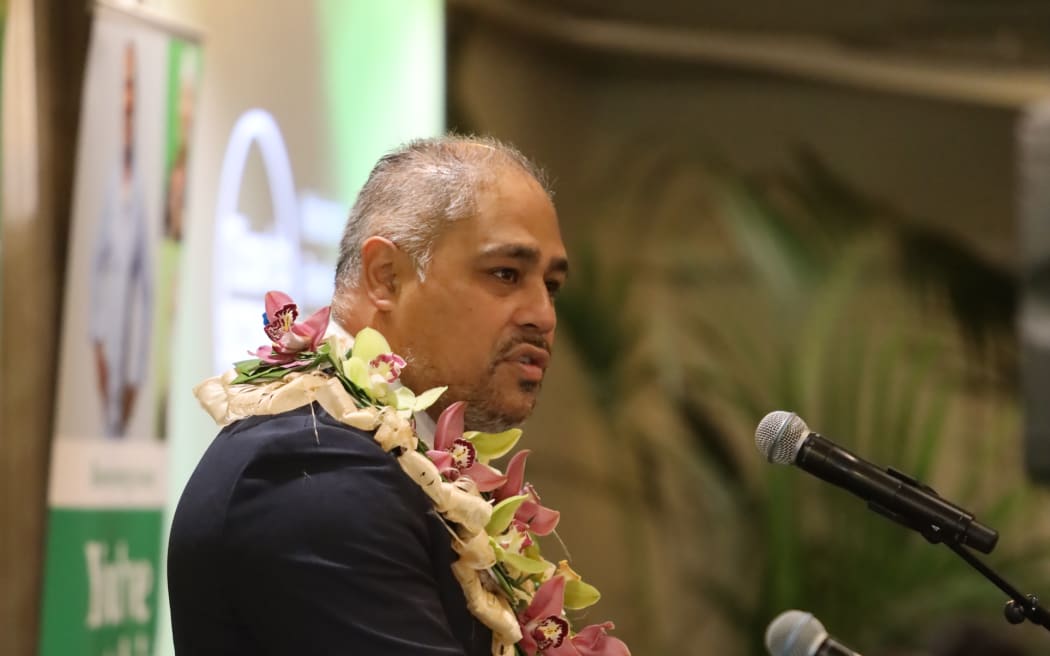
Associate Health Minister Peeni Henare at the bowel cancer screening campaign launch.

Associate Health Minister Peeni Henare says early detection is crucial in preventing more deaths Photo: Supplied

A campaign has been launched to focus on increasing uptake among Māori and Pacific people between the ages of 60 and 74.

More than 835,000 New Zealanders are eligible for the screening, but only about half are taking up the free, at-home screening.

Patrick Loloma Afeaki lost his wife in 2013. He said she was unaware she had cancer until it was too late.

“She was taken to the hospital, she didn’t know until it was too late… She was told that it’s already spread to her liver and most of the organs and that she was already on stage four,” Afeaki said.

Five years later, he himself was diagnosed with bowel cancer in its early stages.

“I was looking to see what causes cancer and what symptoms that you could detect, when that happens. And I realised that in early 2018 I had blood in my bowel motions, and I knew that there was a symptom of bowel cancer.

“I immediately told my family doctor who referred me to the hospital… I was given colonoscopy and they removed 24 polyps and one of them had cancer in it,” Afeaki said.

He then had four rounds of chemotherapy – and said he was lucky it had not yet spread to other parts of his body.

He was at a campaign launch on Auckland’s North Shore on Wednesday morning, saying it was important to make the conversation about bowel cancer screening more acceptable and less taboo.

“It’s a matter of educating people and listening to their whānau. Mum and dad were from the Islands, their children were born here. Mum and dad will listen to their children, their children [don’t] want to lose them,” he said.
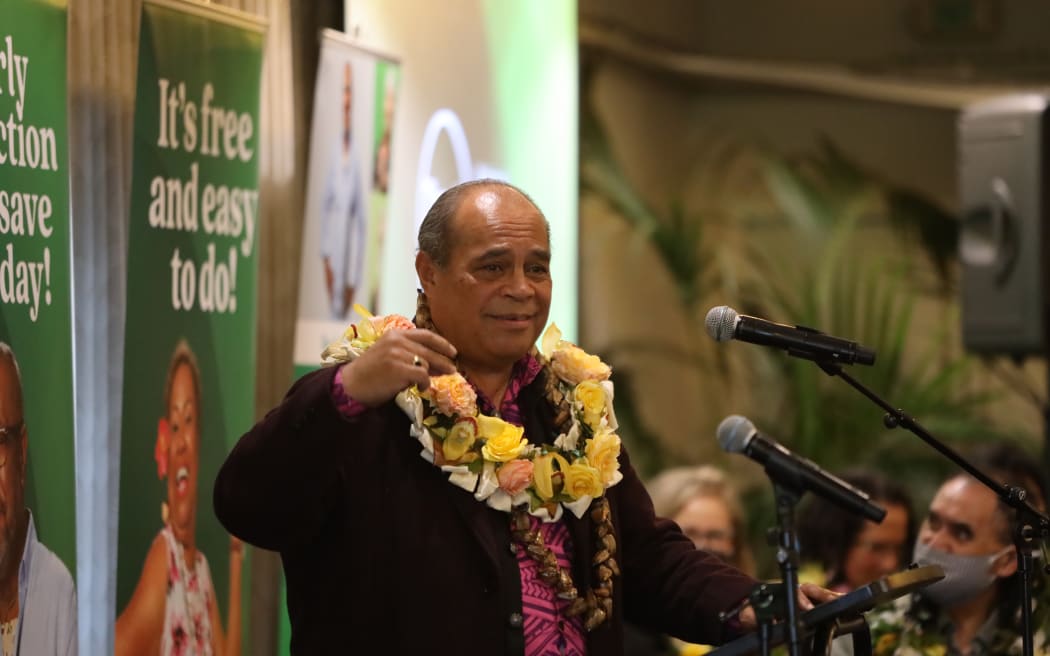
Associate Minister of Health Aupito William Sio at the bowel cancer screening campaign launch.

Associate Minister of Health Aupito William Sio at the bowel cancer screening campaign launch. Photo: Supplied

Bowel cancer is the second-highest cause of cancer death in New Zealand, a country which has some of the highest rates of bowel cancer in the world.

More than 1200 people die from the disease every year, most of them Māori and Pasifika.

The screening programme is available across the whole country, and has detected over 1400 cancers and thousands of pre-cancerous polyps since it began in 2017. But its uptake could be wider.

The head of the Māori Health Authority, Riana Manuel, said at-home bowel screening could help save hundreds of lives.

“One of the biggest problems we have is that because we often present so late in the piece, that’s the reason why our prognosis is usually very poor. So if you put that into a context of those preventable deaths, 25 percent of them will be wāhine Māori and about 10 percent tāne Māori. So we’ve got a lot of work to do and it’s a reason to get motivated,” she said.

Wednesday’s campaign launch followed a government budget announcement that the screening age for Māori and Pacific people would be lowered from 60 to 50, starting with trials in Waikato and Tairāwhiti, then nationwide by July next year.

Associate Minister of Health Peeni Henare said the move to lower the age would help save more lives.

“This is an important step towards addressing a health inequity, as a higher proportion of Māori and Pacific people get bowel cancer before they become eligible for screening at age 60.”

More than $36 million will go towards the four-year shift that the government estimates will make an extra 60,000 people eligible for screening each year.

Henare said early detection was crucial in helping prevent further deaths

“People who are diagnosed with early-stage bowel cancer have a 90 per cent chance of long-term survival if they get timely treatment. Making sure our whānau access bowel screening means more of our mothers, fathers, aunties and uncles enjoying a life that would otherwise have been cut tragically short.”

More Tongan children will be orphaned in New Zealand by rising diabetes-related deaths

There is an upward trend of Tongan children being orphaned in New Zealand due to their parents dying young because of diabetes-related conditions, an expert says.

Some Pacific Islanders, who were in their 40s, have died of diabetes, while others ended up on dialysis treatment at Middlemore Hospital.

Dr Viliami Tūtone, a Tongan nephrologist at the hospital said some Tongan orphans have been as young as 10 years old.

These children “have no mothers and the number is expected to grow”, he told Kaniva Tonga news in an exclusive interview.

“When patients are brought for dialysis their bodies have already been hugely affected by the damage to their vascular system and problems with the kidneys,” he said.

Dr Viliami Tūtone. Photo/Screenshot

Dr Tūtone said the Ministry of Health’s latest record for June 2022 showed 743 people were on dialysis at Middlemore hospital. He said 447 or 60 percent of those patients were Pasifika.

Breaking down the numbers for the Pasifika patients he said 184 were Samoans, 114 were Tongans, 88 were Cook Islanders, 31 were Fijians, 24 were Niueans and other ethnicities were six.

Dr Tūtone said the ” total number is huge”.

He said people should avoid eating fatty food and “consuming too much high-sugar soft drinks” which may lead to weight gain, diabetes, and cardiovascular conditions.

Dr Tūtone said “diabetes is the leading cause of kidney failure”.

“Eating the right food and do more physical exercises could help many people avoid these chronic diseases”.

Call for change

The executive director of the Health Promotion Forum of New Zealand, Sione Tu’itahi, said the number was devastating.

Tu’itahi said the New Zealand Government spent about $80,000 a year to treat one patient on dialysis.

“This is apart from other problems, including distress caused to other members of the family who played the caring role and the negative impact on their health and their children’s education,” Tu’itahi said.

Tu’itahi called on Tongans to stay healthy and change their attitudes towards life.

Sione Tu’itahi. Photo/Screenshot

“In my role as executive role and Health Promotion of New Zealand, we are working closely with Dr Tūtone and Dr Viliami Puloka to assist all people in New Zealand including Tongans to fight against diabetes.”

Tu’itahi said people must eat the right food and think about how much they ate.

“Our lives are in our hands, not in the doctor’s hands,” Tu’itahi told Kaniva News.

It is estimated that more than 250,000 people in New Zealand have been diagnosed with diabetes, predominantly type 2.

“Within the New Zealand population, the prevalence of diabetes in Māori and Pacific populations is around three times higher than among other New Zealanders. Prevalence is also high among South Asian populations,” the Ministry of Health Website said.

According to the Tonga Health report Path to Good Health, Tonga has one of the most at-risk populations in the world for non-communicable diseases (NCDs) such as diabetes and obesity.

In the introduction to the report, Tonga Health Minister Dr Saia Ma’u Piukala said: NCDs will continue to cripple our families, our communities and our nation unless we are strong and take decisive action.”

Under the headline: “How communities in Tonga work together for healthier, longer lives”, the World Bank said the kingdom had one of the highest rates of non-communicable diseases (NCDs) in the world.

These included cardiovascular disease, cancers, diabetes and chronic respiratory diseases, account for approximately 80 per cent of deaths in Tonga

“Smoking, alcohol consumption, poor diet, and lack of physical exercise have all contributed to the ever-growing burden of disease.

“However, local communities are coming together to help construct national policies in order to reverse this trend”.

Fijians hoping for smooth power transfer if govt loses election

By RNZ.co.nz

New research has found Fijians are concerned whether there’ll be a smooth transfer of power should the government lose in this year’s general elections.

The author of the Australian National University paper titled ‘Anticipation and Apprehension in Fiji’s 2022 General Election’, Dr Shailendra Singh, said the economy, including the rising cost of living and the national debt, will be key campaign issues.

The tourism industry, which makes up almost 40 percent of Fiji’s GDP, has been decimated by the closure of international borders due to Covid-19.

Shailendra Singh

Shailendra Singh Photo: USP

As a result almost 115,000 Fijians have lost their main source of income.

Dr Singh said against this backdrop of pressing economic and social issues there are concerns about a smooth transfer of power should Frank Bainimarama’s FijiFirst government lose at the ballots.

He said though the election may be intensely contested, the hope is for a smooth transfer of power should opposition efforts prevail, or risk the derailment of Fiji’s social and economic recovery.

Although campaigning is officially underway in Fiji the government is yet to announce a date for the election although the expectation is now for a November or December poll.

Auckland school closes after anonymous threat made

By RNZ.co.nz

An Auckland boys’ secondary school has closed today after an anonymous threat.

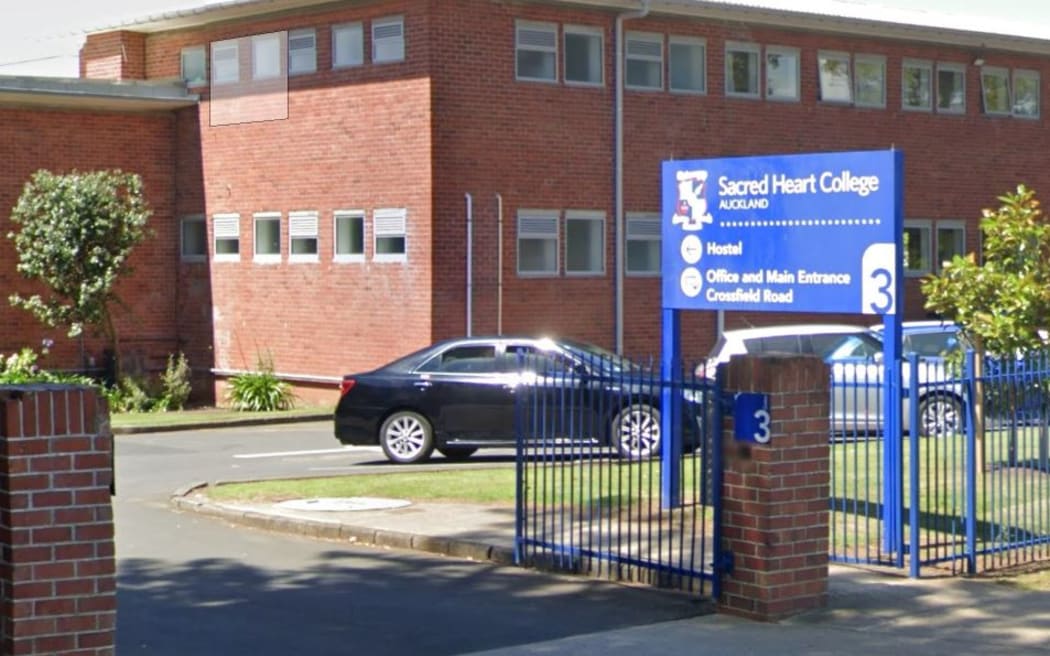
Sacred Heart College in Auckland.

Sacred Heart school in Glen Innes has closed while police probe the threat. Photo: Google Maps

In a notice to the school community, Sacred Heart in Glen Innes said it received a threat on two individuals via social media today.

Headmaster Patrick Walsh said police advised him, given the nature of the threat, to close the school for the rest of the day as they continued their investigation.

He apologised for the inconvenience but said student safety was paramount.

Walsh said they would communicate further information to the community.

Police are treating a threat on Sacred Heart Boys’ College seriously.

They were made aware earlier today of a threat via social media to the school.

Inspector Jim Wilson said locals would notice an ongoing police presence in response to this incident.

“We are treating the matter seriously and are liaising with the school. The school has decided to close for the day out of precaution.”

Police probe after 69-year-old man found dead in apparent suicide

The Police are investigating after a man died on Monday in what they had described as alleged ‘suicide’ while at Mu’a police custody.

Photo/Kaniva Tonga News

It said the deceased, was overly intoxicated, and was arrested and detained by Police on Sunday evening following a complaint and call for assistance from his wife.

“Police found the man dead in a police cell on the morning of Monday, 4th July in circumstances indicating suicide”, Commissioner Shane McLennan said.

McLennan described the situation as “regrettable incident”.

“We are allowing the Professional Standards investigation to take its course. Any negligence of duty is not acceptable and will not be tolerated, as it undermines the commitment of the majority of our police staff and importantly, the trust and confidence of the public that we serve,” Commissioner Shane McLennan said.

 An inquest will be held upon completion of the police investigation.

ACC told to pay up after bullying of ex-employee leads to depression

By Amy Williams of RNZ.co.nz and is republished with permission.

In a first, ACC has been forced to compensate one of its own former staffers for the depression and anxiety she suffered from being bullied on the job.

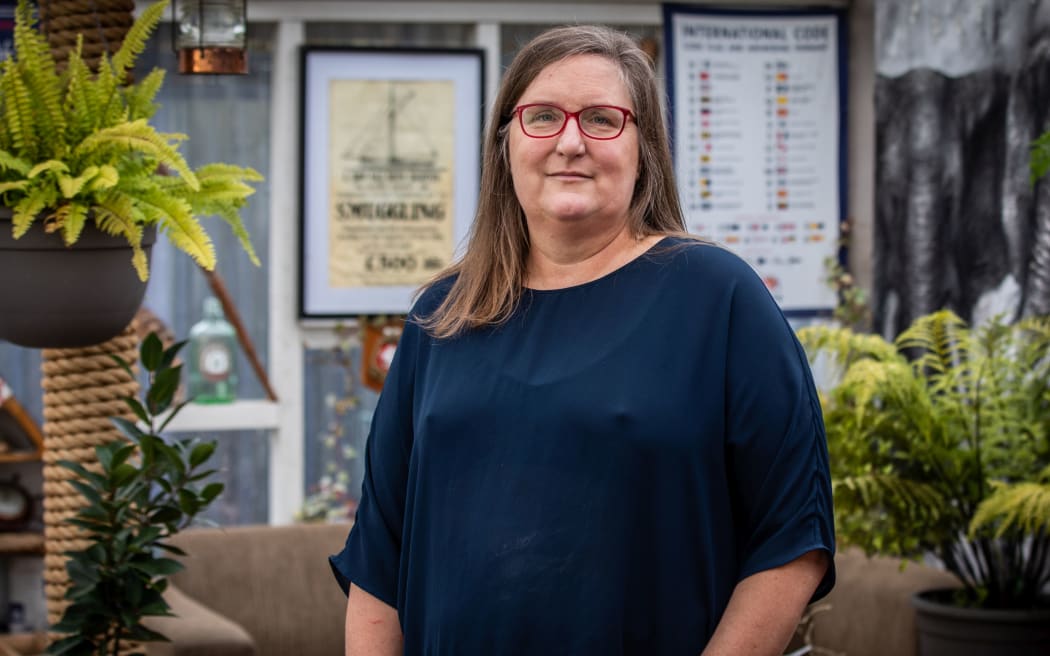
Former ACC employee Yvette Phillips

Yvette Phillips says the painful experiences she had at ACC during a restructure were so bad these ended her career. Photo: RNZ / Nate McKinnon

The woman was a senior staff member who took her case to court and won and now the agency must provide ongoing cover for a mental injury that happened under its watch.

Yvette Phillips moved her family to Christchurch to take up her dream job working as a policy advisor for ACC but two years later she faced redundancy amidst a restructure.

During a meeting in October 2019 to discuss her potential redeployment, she said her manager was “confrontational and aggressive”, and she left the meeting in tears feeling “ambushed and blindsided”.

While on stress leave, Phillips returned to the office in March 2020 to retrieve her laptop and was publicly humiliated in front of colleagues when another staffer accused her of lying and then stripped her of her laptop.

“It’s extremely painful, honestly. I suppose that’s the best word for it. They were very painful experiences because in fact it’s put an end to my career,” she said.

“I can hear my voice cracking now … to try and take myself back there and describe it is tough. I suppose I’ve kind of closed that book.”

She was diagnosed with major depression and post traumatic stress – and two doctors pointed out either of the events she experienced at work could lead to mental injury in most people.

Knowing ACC’s policy inside out, she put in a claim for cover for a work-related mental injury but it was refused, as was a subsequent review.

But having worked for the policy team, she thought her case was solid and appealed the decision in the Wellington District Court.

In his judgment, released in May, Judge Chris McGuire found that Phillips had suffered a work-related injury.

“The appellant’s accounts of these two incidents in particular are detailed and meticulous. I accept them. The respondent has offered no counter evidence.”

Phillips said it was difficult to speak out and pursue her case.

“It’s only because of my knowledge of ACC, having worked there for seven years, and my understanding of the legislation that I could say to myself: ‘no you know you’ve got this, you know the legislation, you know how this works’,” Phillips said.

“I certainly knew what kind of injuries can be covered, I know what kind of injuries can’t be covered, and I knew that this was a mental injury that was caused in the workplace.”

Phillips will receive weekly payouts after winning the appeal, and is in the final stages of confirming the amount.

ACC is the Crown entity responsible for administering the country’s no-fault accidental injury compensation scheme.

It accepted 81 claims for work-related mental injuries last year, but could not easily identify how many of those related to workplace bullying.

In a statement its chief people and culture officer, Michael Frampton, said as an employer the organisation has only received one mental injury claim for bullying at work but he could not speak about individual employee matters.

“It is important that all our people feel safe and supported while they are at work. ACC does not tolerate bullying or harassment in any form. We encourage our people to raise any concerns, and we provide multiple avenues to do so.”

He said ACC introduced a new policy earlier this year, replacing its previous bullying and harassment policy.

ACC Sign in Wellington

Photo: RNZ / Angus Dreaver

‘This may open the gates’

Employment specialist Barbara Buckett said Yvette Phillips’ case gave weight to workplace mental injury claims.

“I’m surprised it’s been so long coming and I think it’s ironic that it’s ACC that’s the employer in this case because it’s clear that it always fitted, in my view, within the definitions of the [Accident Compensation] Act, in legislation,” she said.

She has had work-related mental injury claims kicked back and said that Phillips’s case could help others in similar situations seek ongoing cover.

“This is another string to the bow and I think it’s an important one. I think this may open the gates, give people more confidence in going down that route.”

Phillips was glad her situation could pave the way for others to get the justice they deserve.

“For anyone else who doesn’t have that experience and knowledge in that same situation just feeling that there’s nothing out there that can help them. Now knowing that this is underpinned by the Court of Appeal and case law, I think that’s amazing that that could come out of this.”

She has recently returned to the workforce part time.

“It’s been tremendously, tremendously difficult financially so now, two years on, to know that I’ve got cover, and know that I can access what I need to move forward is an intense relief.”

She said the ongoing cover from ACC will allow her to get the therapy she needed two years ago when the bullying occurred.

“Only now has a line drawn under it where I can breathe and say: ‘Well that’s done I got there in the end, I got my voice heard’, but sadly I didn’t get the therapy I needed at the time.”

The 501 deportee Moses Folau’s Alcohol licence bid declined – for now

The  Auckland District Licensing Committee has declined a liquor license for  501 deportee from Australia, Moses Folau.

Folau was applying to allow his to sell alcohols for his downtown Auckland private members club.

The committee said it may rule differently in future if he gains more bar management experience, reported the New Zealand Herald.

There were no public objections to the liquor licence application and the medical officer of health did not raise any concerns, the Herald said.

“However, Auckland Council alcohol licensing inspector Scott Evans opposed Folau’s application on the grounds of his criminal history.

“He has 10 convictions in Australia, including a jail term for an assault, and three more since being deported to New Zealand”.

Folau, 38, was deported from Melbourne in 2016 and he appeared on the news at the time after he was “presented with a big bill by the Australian government despite assurances that people sent back to New Zealand won’t be charged”, according to a report by RNZ.

Folau was told to pay $A2886 for airfares for himself and his security escort who travelled here at the time.

Mr Folau, who grew up in Australia since he was six, had been held in Maribyrnong Detention Centre for seven months when he agreed to be deported to New Zealand, fearing he might otherwise be sent to Christmas Island.

“I said I’m not going to sign [the bill] because I have the minister’s statement from December the 8th, 2015, stating that Kiwis … don’t have to pay, he said.

“So they were trying to pretty much stand over me, trying to scare me with cancelling my ticket.”

Covid-19 surge: PM rules out return to red traffic light setting – for now

By RNZ.co.nz

Despite an increase in Covid-19 cases there is no need at present for the country to shift back into the red traffic light setting, the prime minister says.

Prime Minister Jacinda Ardern

Jacinda Ardern says the traffic light settings have been reviewed recently. Photo: RNZ / Angus Dreaver

Covid-19 cases are on the rise again and a new subvariant, BA.2.75, has been detected here for the first time.

There were 9629 new community cases announced today and the seven-day rolling average was 7246 compared with 5480 last Tuesday.

On Friday afternoon, genome sequencing confirmed two cases in New Zealand with the BA.2.75 subvariant of Omicron.

The two cases had recently travelled from India where it had previously been detected.

The Ministry of Health said the characteristics of the subvariant may enhance its ability to evade immunity.

There was early evidence overseas that it might be slightly more transmissible than BA.2.

Speaking in Australia, Prime Minister Jacinda Ardern said the settings were recently reviewed, and New Zealand would only move to red if it would have a material effect on slowing case numbers.

“Keep in mind we have really important rules at the orange setting that are there to protect us,” Ardern said.

“Having just come from Europe, also recently the United States, even being here in Australia I can tell you that New Zealand is still using measures many other countries don’t.”

One main change under red would be gathering limits, however, there was still a question mark over whether that would make much difference, given the notable rise in infections among older New Zealanders.

She said the two most important measures to reduce the spread of the virus were vaccinations and mask use.

“I encourage our older New Zealanders to go out and get that booster shot and for people to keep using their masks and if you’re sick isolate at home.

“The point here is we have to do things that make a difference to what we’re seeing now.”

New Zealand had hung on to mask use and vaccinations partly because winter was putting additional pressure on the country’s health system, Ardern said .

University of Auckland infectious disease expert Dr Siouxsie Wiles told RNZ yesterday that another wave of Covid-19 had been expected and should not come as a surprise.

She urged people to wear masks in “as many situations as they can”, remember to ventilate rooms as much as possible and stay up to date with all vaccine doses.

University of Canterbury professor and Covid-19 modeller Michael Plank said infections could potentially hit a similar peak to the first March wave of around 20,000 cases per day.

Notorious Tongatapu machete attacker jailed after man loses hand

A man who hacked his victim’s arm with a machete has been jailed for seven years.

Kaumavae Fakaanga, 35, pleaded not guilty to one count of causing grievous bodily harm but later changed his plea to guilty.

His charge stemmed from an incident at Tokomololo in which Fakaanga attacked the victim Sosefo Tu’akoi, 44,  with a machete. Tu’akoi’s  left hand was injured during the attack and was later amputated.

The court was told that on  May 7, 2021 Tu’akoi attacked the victim in a hall at the  Church of Tonga after a drinking confrontation with other people. The victim attempted to clam down the prisoner. However, at one stage, the prisoner ran outside and returned with a knife. When he saw the victim was holding a baseball bat, he moved back and started swearing.

The victim threw the bat at the prisoner from a distance of about six metres to try to scare him away, the court was told.

The prisoner then disappeared and the victim then turned back to go into the hall. As he passed a chair near the door on the veranda, he heard someone screaming: ‘Don’t Mavae’. The victim looked back and saw the prisoner swinging the machete down onto his head. The victim raised his left hand to shield himself. The machete struck his elbow. He moved back. The prisoner also moved back and screamed: ‘I’m going to beat the shit out of you’.

A minute or so later, the prisoner attacked again. The victim tried to hold the prisoner to prevent further injury, but the prisoner struck towards the victim’s head again. Again, the victim raised his left hand to shield himself. The second blow with the machete severed three of Sosefo’s fingers on his left hand. A third struck his head.

The victim was taken to hospital with lacerations to his left arm and scalp, broken bones and nerve damage. The palm of his hand later became infected. As a result of his injuries, the victim required surgery during which his left hand had to be amputated. He was hospitalised for about two months and had to attend clinic appointments during a third.

Previous convictions

The court was also told the prisoner had previous convictions including one in 2013 in which he was sentenced by the Magistrates Court to a total of nine months’ imprisonment for housebreaking and theft.

Later that year, he was sentenced by the Supreme Court  to three years imprisonment for causing bodily harm with the last year suspended on conditions. That offending also involved alcohol and the premeditated and retributive use of a machete.

Between 2003 and 2007, he was convicted of alcohol and drug related offences.

Probation recommendation

In his case with Tu’akoi, a probation officer told the court the prisoner was not  a ‘high risk to his family or the community’ and that rehabilitation may help ‘pave the right path for him.’ For those reasons, the probation officer recommended a fully suspended sentence on conditions.

In relation to the offending, the prisoner, who represented himself in court, said that he initially pleaded not guilty because he believed that he was innocent. However, he later pleaded guilty because he was ‘confused’. He said he was not being able to recall what happened due to being ‘really intoxicated’ and having ‘blacked out a few times’. He also told the probation officer that he asked the victim for forgiveness and that his family visited the Tu’akoi while he was in the hospital.

Sentencing

Sentencing the prisoner, Lord Chief Justice Whitten said:  “The Defendant is convicted of causing grievous bodily harm and is sentenced to seven years imprisonment.

“The final year of the sentence is to be suspended for a period of two years on the following conditions, namely that during the said period of suspension, the Defendant is to:

(a) not commit any offence punishable by imprisonment;

(b) be placed on probation;

(c) report to the probation office within 48 hours of his release from prison;

(d) abstain from consuming alcohol or illicit drugs; and (e) undertake such rehabilitative courses on life skills and alcohol and drugs awareness as may be directed by his probation officer.

“Any breach of those conditions is likely to result in the Defendant being required to serve the balance of his term of imprisonment.

Covid-19: Epidemiologist says next wave of Omicron may have begun

By RNZ.co.nz

An epidemiologist believes the next Omicron wave may have begun, with an upsurge in Covid-19 figures in the past few days.

No caption

Michael Baker said a jump in Covid-19 case numbers last week made it very likely a new wave of Omicron was starting to hit. Photo: RNZ / Samuel Rillstone

The Ministry of Health yesterday reported the seven-day rolling average of community cases sat at 6825, having risen by more than 2000 in a week.

Hospitalisations have also climbed by 33 percent in seven days, with 423 people now in hospital with the virus.

University of Otago epidemiologist professor Michael Baker said this surge in numbers suggested the next wave of the pandemic was starting.

“Now we’ve had a couple of months of declining case numbers and a plateau across the country, but this is a very marked increase in numbers just in the last week – so I think that’s very convincing.”

It was unclear at this stage how big or prolonged the next Omicron wave could be, he said.

The development was not unexpected, Baker said.

“We are seeing multiple factors favouring the virus at the moment, and the most marked of course is the arrival of more new infectious subvariants of Omicron.”

That includes BA.4 and BA.5 and BA.2.12.1 which are causing pandemic waves overseas, he said.

Baker said waning immunity over the coming months may also lead to more spread of the virus.

On Thursday, Covid-19 Response Minister Ayesha Verrall said that the country needed to remain at the orange traffic light setting because case numbers were “creeping up”.

She said hospitals were also under pressure from the flu, but that Covid-19 cases and hospitalisations still remained much lower than the peaks experienced earlier in the year.