Saturday, April 4, 2026
Home Blog Page 350

Truth behind strange object found on Tonga beach

A strange object which washed up on a Tonga beach on Sunday has sparked debate online leaving locals baffled and bemused.

Photo of the buoy which was first seen by many as mysterious/  Photo by Katea Retreat Beach (Facebook)

Photos of the mystery object quickly appeared on social media and ideas about its origins came pouring in from around the world.

Some who shared the images online yesterday said they have posted them because they need this mystery solved.

The posts have gotten hundreds reactions and  shares as well as responses yesterday, including some who warned that the object might bring disaster to the country.

Some locals claimed there was a “dangerous warning” sticker inside the object.

Some alleged it was a small homemade submarine used to transport illicit drugs in the sea.

However, another photo was posted to Facebook this morning with a woman standing by the object appears to have resolved the puzzle.

The photo with caption was posted by the katea Retreat Beach.

“Look what washed up on Katea Retreat Beach!” the caption goes.

“Our friends first noticed it Sunday morning on a beach walk. We called the Mua Police Station to investigate because it’s something we never saw before and they arrived on the scene Sunday morning.

“From their investigation, the police contacted the Marine department and the Ministry of Fisheries. Together they determined last night that it is Bouy #11 which marked the barrier reef on the south side of Tongatapu and broke off from its anchor. They are working on repairing the bouy and moving it back to its proper location”.

FAKAMATALA FAKATONGA

Ne ‘i ai ha tailitili hono ma’u ‘a e me’a ngalikehe ko ‘eni hangē ha mīsini ‘i he matātahi Fu’amotu’. Lahi e vavalo ki ai pea ni’hi nau tukuaki’i na’a ko ha ki’i vakauku ne ngāue’aki ki hano fetuku ‘o e faito’o konatapu’. Ka ‘oku ha mai ‘eni ha tā he pongipongi’ ni ‘o pehē kuo mahino mei he kau ma’u mafai’ ko e fo’i poe pe ia ne ngāue’aki ‘i tahi ke ne tala e ngata’anga e hakau’, ka ne motu ia mei hono taula’.

New Zealand woman’s death may be linked to rare vaccine side effect – report

By RNZ.co.nz. Republished with permission

The Covid-19 Vaccine Independent Safety Monitoring Board believes a woman’s death may have been caused by myocarditis, a rare side effect of the Pfizer vaccine.

It is being treated as the first case in New Zealand where a death in the days after vaccination has been linked to the Pfizer Covid-19 vaccine.

In a statement, the Ministry of Health (MOH) said the board noted that there were other medical issues occurring at the same time which may have influenced the outcome following vaccination.

The case has been referred to the coroner, who is investigating. The cause of death has not yet been determined.

Myocarditis is an inflammation of the heart muscle, which can reduce the heart’s ability to pump blood around the body and cause rapid or abnormal heart rhythms.

A viral infection usually causes myocarditis.

The ministry said the benefits of vaccination with the Pfizer Covid-19 vaccine continued to “greatly outweigh the risk of of both Covid-19 infection and vaccine side effects, including myocarditis”.

“In New Zealand, adverse events following vaccinations are reported to the Centre for Adverse Reactions Monitoring (CARM). All cases with a fatal outcome are referred to the CV-ISMB for review. CARM provides as much information on the case as possible for the clinical experts on the CV-ISMB (the board) to help them in their consideration of whether there was a link to vaccination.

“This is the first case in New Zealand where a death in the days following vaccination has been linked to the Pfizer Covid-19 vaccine. While CARM has received other reports of deaths in someone recently vaccinated, none are considered related to vaccination.”

Covid-19 Independent Safety Monitoring Board Dr John Tait told Checkpoint there had been 32 reported cases of myocarditis in New Zealand after receiving the Covid-19 vaccine.

He said there had also been cases of anaphylaxis – an allergic reaction to the vaccine.

“Very small numbers of true anaphylaxis, because it can be sometimes quite hard to distinguish,” he said.

“Other potential complications which have not necessarily come up with the vaccine – tinnitus… and a few other ones…

“In terms of specific adverse reactions to this vaccine, it’s very difficult to determine which is a result of the vaccine or which would have resulted otherwise.”

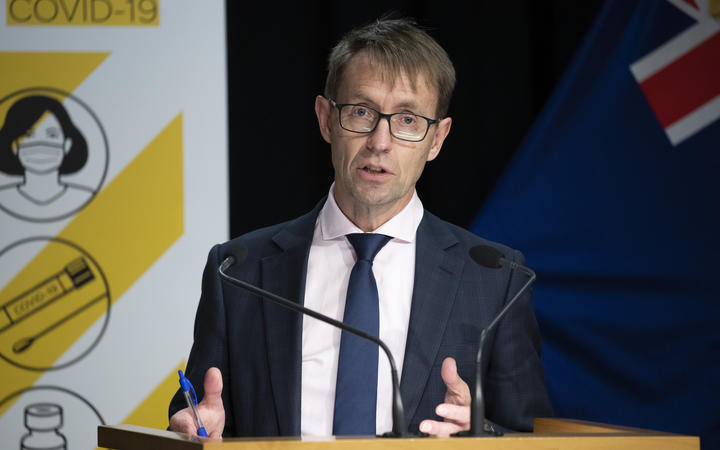
At a post-Cabinet media briefing this afternoon, Director-General of Health Ashley Bloomfield emphasised the side-effect was rare and it was much more common with a Covid-19 infection.

“The risk of myocarditis after the vaccine is much lower than the risk of myocarditis after being infected with Covid-19.” he said.

“The safety profile of this vaccine is very very good.”

Bloomfield said he signalled the possibility of the rare side effect when it became known, and if people have symptoms such as heart palpitations, shortness of breath or chest pain they should seek medical support.

An international expert in vaccines agreed the risks of serious harm from Covid-19 were far greater than any risk from Covid-19 vaccines.

Otago University professor Peter McIntyre, who advises the World Health Organisation, said the condition is a rare side-effect.

“Even though this is tragic and we all wished it hadn’t happened, that risk is very tiny compared to the risk we’re facing from Covid,” he said.

McIntyre said people should call a doctor if they have chest pain or trouble breathing after being vaccinated.

More than 3.33 million doses of the vaccine have been administered in New Zealand to date (to 11.59pm on 29 August).

Tait said it was “important to thoroughly investigate significant and serious adverse events related to vaccination”.

“We want to ensure that the outcomes from this investigation are widely available for others to learn from. The findings will be published to increase the scientific knowledge about vaccine-induced myocarditis.”

Tait, like the MOH, advised continuing to use the Pfizer Covid-19 vaccine, saying the board remained confident about it.

The board told the MOH of the death to ensure healthcare providers were vigilant and aware of signs of myocarditis and pericarditis.

Symptoms include new onset of chest pain, shortness of breath and an abnormal heartbeat.

Anyone with those symptoms in the days after being vaccinated must seek medical attention, the board said.

The board extended its sympathies to the woman’s family and friends.

Further details cannot be released while the coroner investigates.

FAKAMATALA FAKATONGA

Mate ha fefine ko ha fuofua keisi ‘eni ‘i Nu’u Sila’ ni tukuaki’i ko e ola tamaki ‘eni ‘o e huhu’aki ‘o e faito’o ki he Koviti ‘a e kautaha Pfizer. ‘Oku fakatupu ‘eni ‘e he alangamahaki ko e Maikataitisi pe ko ha takakula he uoua ‘o e mafu’ ‘a ia te ne fakatupunga ha holo ‘a e ivi malava ke pamu ‘e he mafu’ ‘a e toto’ pea ‘e ala fakatautu’u ai ‘a e tā ‘a e mafu’. Angamaheni ‘oku tupu ha vailasi mei he Maikatatisi’. Ko hono faka’ilonga’ ‘oku kau ai ‘a e mamahi ‘a e fatafata’, nounou ‘a e mānava mo e fetō’aki ‘a e tā ‘a e mafu’. Kae ‘i he taimi tatau kuo pehē ‘e he kau mataotao he faito’o’ ‘oku fu’u kei fakalilifu ange pe tāmate ‘oku fai ‘e he Kōviti’ ‘i he Maikatātisi’ pea ‘oku kei hulu ‘ānoa ange pe lelei ‘oku ‘omi ‘e he faito’o ‘a e Pfizer ke ne tau’i ‘a e Kōviti’ ‘i he olatamaki tātāmotaha kuo fai ‘e he maikatātisi’. Meimei ‘oku ‘ikai hao ha faito’o ta’e ‘i ai ha’ane uesia kovi ki he sino ‘o e tangata’ pea ‘oku hoko ia ‘i he ngaahi makatu’unga kehe hangē ko ha ni’ihi kuo nau puke he ‘alēsia (allergy) ‘o kovi kia kinautolu ia ha fa’ahinga faito’o, pea ‘oku fa’a ‘eke ‘eni ‘e he toketaa’ ‘i he taimi lahi ‘o ha faito’o ‘oku ‘oange ki ha mahaki – ‘a ia ko e ‘eke pe ‘oku ‘alēsiki (allergic) ki ha fa’ahinga me’akai pe faito’o.

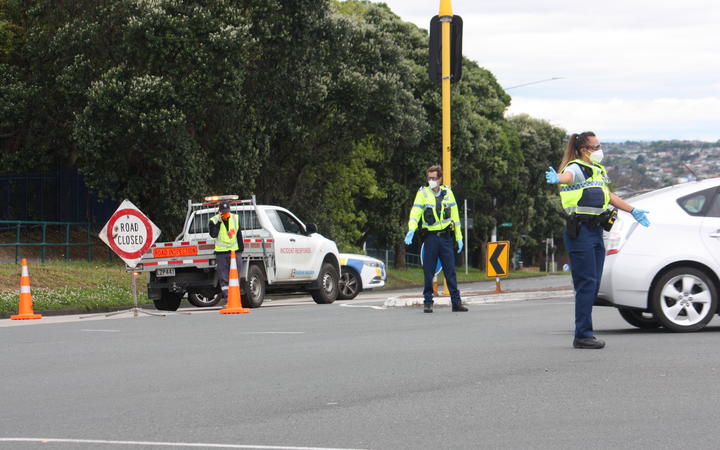
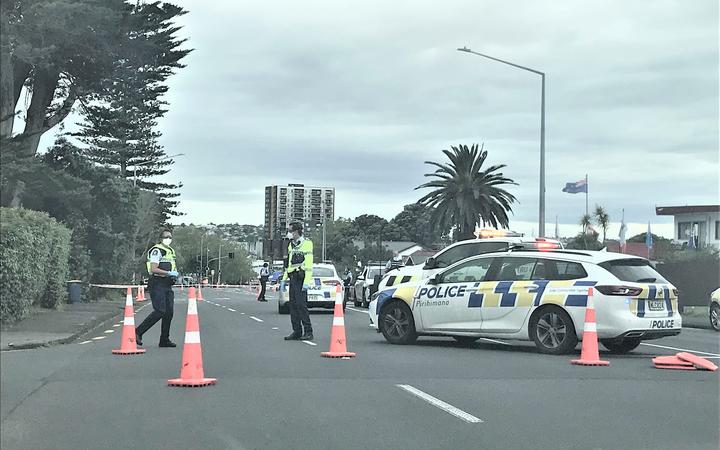
Auckland to stay in level 4 for two weeks, Northland likely to move to level 3 from midnight Thursday

RNZ.co.nz

Prime Minister Jacinda Ardern and Director-General of Health Dr Ashley Bloomfield are set to announce alert level decisions for Auckland and Northland.

Watch live from about 4pm:

Ardern announced on Friday that New Zealand south of the Auckland boundary would be moving to alert level 3 from 11.59pm on Tuesday. Cabinet confirmed this decision today and Ardern says this will be for at least a week, to be reviewed at Cabinet next week.

Northland will likely join the rest of the country at alert level three from 11:59pm on Thursday, Ardern says.

Cabinet has also confirmed Auckland will remain at alert level four until 14 September. Cabinet will consider next steps for the region on 13 September.

Ardern says level 4 “is making a difference”.

“The job is not yet done and we do need to keep going.”

For Auckland and Northland, Ardern says the cases in Warkworth were found late in the lockdown and were not equivalent to the cases in Wellington, where cases were monitored and did not appear to have spread.

“We just haven’t had that level of time for the cases we’re concerned about in Warkworth, and with possible contacts beyond. Once we have that same level of reassurance in Northland we feel safe to move alert levels.

She says the government is awaiting test results from wastewater in Northland, and tests from people who were at locations of interest. If they all came back clear Northland could move to alert level 3 at 11.59 pm on Thursday.

“Just an indication here if all those tests come back clear,” she says.

Ardern says if New Zealand had not moved into alert level 4, estimates of the number of new cases today could have been about 550.

“The more we do to limit our contact, the faster we will exit these restrictions,” she says.

“Auckland is doing a huge service for all of us. And not just now, but throughout this pandemic. It’s Auckland that has maintained our gateway to the world, that has done a lot of the heavy lifting in welcoming Kiwis home safely, that has worked hard to keep Kiwis safe when there has been an outbreak. Auckland has done it tough.”

Ardern says the government is considering further restrictions under level 4 to prevent transmission occurring at the workplace. “It is a privilege to be open at level 4,” she says.

She says New Zealand has about 840,000 doses of the vaccine in the country, and has been receiving about 350,000 each week.

“Our planning has been for the programme to administer 350,000 doses per week. We have the supply and infrastructure to do this sustainably over a long period of time.”

There has been an increase in demand, she says, and the government is working to reach that but falling short would merely mean falling back to the government’s earlier plans.

“If we are unable to do this then the worst-case scenario is we pull back to our planned volumes … contrary to the reporting, we are not running out of vaccine.”

Experts have been welcoming signs that the lockdown has been curbing the spread of the Delta variant, and with new case numbers dropping to 53 today – down from a high of 83 new cases yesterday – the government will have some extra confidence in its decision to lower alert levels in wider New Zealand.

Speaking about today’s case numbers, Bloomfield says while it is 30 fewer cases than yesterday, it is just one data point. However, he says 52 percent of the 83 cases reported yesterday were household transmission, and 72 percent did not create any new exposure events.

“So of those cases reported yesterday … only 28 percent are considered to have been infectious in the community, which may simply have been a visit to a supermarket … or may be an essential worker.

He says 101 of the total cases are essential workers, just four of them who have been infectious in the workplace and seven who were infected in the workplace.

All of the new cases announced today were detected in Auckland.

Ardern says it’s too soon to say if daily case numbers have peaked.

Meanwhile, Associate Minister of Health Ayesha Verrall has slammed Bay of Plenty District Health Board (DHB) after it asked Pacific people to show their passports at Covid-19 vaccination appointments.

The DHB apologised last night over the move, acknowledging it was not the DHB’s policy, nor a requirement, and that it had affected trust and confidence with its Pacific communities.

Tongan Government punished schools this year for misspending aid, record shows

This story by Kalino Lātū was first published by Te Waha Nui

The Tongan Government has slashed funding for non-government schools it says have misspent aid earmarked for teachers’ salaries, a study of the kingdom’s parliamentary record has shown.

Minister of Education, Siaosi Sovaleni. Photo/Facebook

The Minister of Education, Siaosi Sovaleni, told Parliament in July some schools were using the money for office staff, which was not allowed under the funding agreement.

Sovaleni, who did not identify the schools, said auditors did not find any fraudulent activities.

However, Cabinet had this year decided to slash funding “equal to the money they allegedly misspent, paying them only the remainder”, Sovaleni told the House in Tongan, according to Hansard of July 14 this year.

In February this year former Prime Minister Lord Sevele revealed the funding scheme had been withheld  by the Ministry of Education and Training for more than three years from some church schools because they misspent it.

Sevele asked the Government to help fix it to help the schools.

New Zealand aid stops

New Zealand stopped its aid for Tonga’s non-government teachers in 2016, the same year Tonga’s Auditor General uncovered fraud in the government school funding scheme, leading to a Cabinet Minister and her husband being jailed for six years last month.

Akosita Lavulavu and her husband ‘Etuate Lavulavu plundered NZ$348,806.57 from the Tonga Education Support Programme II when they operated the ‘Unuaki ‘o Tonga Royal Institute.

New Zealand’s Ministry of Foreign Affairs and Trade contributed NZ$4,458,606 through the TESPII scheme, via a grant to the Government of Tonga, from 2013 to 2016.

“A proportion of this funding went to school grants, which included assistance to non-government schools,” a spokesperson told Te Waha Nui.

These funds were managed by Tonga’s Ministry of Education and Training under terms set out in the Grant Funding Arrangement.

New Zealand’s current education support to Tonga is focused on numeracy and literacy outcomes for students, as well as education policy.

New Zealand has a record of putting a stop to its aid funding to Tonga when controversies arise.

In 2013 New Zealand’s foreign minister said he would withhold tourism funding to Tonga until a plane gifted by China was certified by a respected international authority, despite China insisting it was safe.

Tongans in US try to recruit new members for scheme that promises huge wealth to investors

Tongans in the United States are trying to recruit new members for an investment scheme called Hyperfund that is offering unrealistic returns to investors.

Setaita Tānaki claims Hyperfund has $30 million investment

Kaniva News has learned that Tongans who have bought into the scheme have been promising potential recruits a big payday.

However, all the evidence shows that those who buy in to such schemes have some chance of making money, but there is no real return on investments. Their payouts only continue as long as other people keep buying in to the scheme.

Eventually all such schemes collapse and people lose all their supposed investment.

Now some Tongans in New Zealand have inquired after video clips and banners promoting Hyperfund appeared on Facebook.

In May this year, Setaita Tanaki, who appears to be based in Utah, appeared online to claim that Hyperfund was just like any other financial company. She said people who complained about it did not know how to withdraw the profits they should receive.

She claimed she has received rewards of US$200 daily and she urged Tongans in New Zealand and Australia as well as yard workers in the US join in.

She also claimed anybody who invested in the company had the amount tripled immediately which was then unavailable for a certain period of  time.

“You need to invest $330 in the Hyperfund which is the minimum,” Tanaki said.

“The $300 is your money and $30 is an administration fee. So once you deposit your $330 into Hyperfund they automatically triple the amount and the amount will show in your account within 24 – 48 hours as $900 but it will appear as pending for 20 months.

“During that 20 months Hyperfund then invests your money. Everyday you will be given an interest of $1.50 as a reward. When the reward reaches $50 you can withdraw it.

“That’s 34 days of your investment. You can withdraw it or you can re-deposit that $50 in which Hyberfund will triple it. The more money you deposit the more money you will receive.

“Last week I had a client in California they were a couple they wanted to deposit $300,000. I flew there and deposited their money into Hyperfund. Once it was deposited the Hyberfund tripled their money and they have $300,000 in their account. Their reward was $3500 every week. I advised them to withdraw one week after the other and just redeposit the following weeks. “

In response to accusations that the company was suspicious in a separate Facebook livestream, she claimed the company was real and had $30 million invested. She described the $30 million investment as a “pot of gold.”

But not everybody is convinced. Loukie Fungavaka spoke to Kaniva News about his experiences.

“They said they were just like the Bitcoin Kiwi System and other such companies,” Fungavaka said.

“But we have not yet signed up with them. I am afraid if I invested my money it would be lost. I tried to use my Kiwi Bank in depositing my money, but they did not accept it and then we withdrew.”

Semi-literate statements

One of the signs that people should be wary of such schemes are the semi-literate statements from supposed experts and professionals that have been posted in various places online. The following certainly doesn’t sound the work of a professional working in insurance:

“This has been a great experience. I understand numbers and COMPUNDING very well with my insurance background. This concept really makes sense if you UNDERSTAND THE REAL INTENT of this project. Once you get IT, OHHHHHMY GAWWWWD IT’S A NO BRAINER. On the quest to #30million.”

Or this claim:

“This is a rare opportunity to bulk up some savings and keep bulking them up and earn mega interest. I so far have invested a few thousand and now am seeing massive returns. In a years time I will have enough for a deposit on a house no problem. Say you put in $1000 yoy will automatically be able to compound this in to $3000 and then whilst you’re new balance is unlocking day by day you will be able to re buy memberships and then as long as you remember to log in every few days and re buy at $50 (witch adds $150 to total balance) then you will be watching you’re money snowball in to a big big amount.”

NZ Commerce Commission warnings

News of this latest money making scheme comes in the wake of a report about a locally run  scam that left investors thousands of dollars out of pocket.

The New Zealand Commerce Commission puts it very simply: There are no get-rich-quick schemes. If it seems too good to be true, it probably is.

The Commission says people should not hand over their personal details or money to someone they have not met who solicits them online, via e-mail or text.

People should be wary about providing personal information, passwords or bank details in response to communications that they owe money or that they are owed money.

When people are buying goods or services on-line check they should make they know who they are dealing with.

The Commission said people should check review sites, social media and websites like Scamwatch to find out about other peoples’ experiences before they handed over money or personal details.

FAKAMATALA FAKATONGA

‘Oku kamata ke ‘asi lahi mai ‘eni hano tu’uaki ‘o e Hyperfund ‘e he kau Tonga mei ‘Amelika’ pea kuo nga’uta ha ni’ihi ke faka’eke’eke ke nau kau ki ai mei Nu’u Sila mo ‘Aositelēlia. ‘Oku hoko ma’u pe foki e ngaahi me’a peheni’ ke toe fai mai ai ‘e hotau kāinga ha faka’eke’eke ki he Ongoongo ‘a e Kaniva’ tu’unga ‘i homau ngafa ke faka’eke’eke ki ha mo’oni ‘o ha me’a ‘oku hoko. Ko e tu’uaki ko ‘eni mei ‘Amelika’ ‘oku  mei fai mei Utah ‘e he fefine ko Setaita Tānaki. Pea kuo’ ne pehē kuo ne ma’u ‘a e US$200 he ‘aho ko ‘ene tupu he’ene ‘invesi ‘i he Hyperfund. Kuo’ ne uki ‘a e kakai ke nau kau ange ‘i he’ene tui ko e monū’ia ‘eni ke lavemonū ai ‘a e Tonga’. Kuo’ ne pehē ‘e kamata pe ‘ete mēmipa’ ‘aki ‘a e totongi ko e $300 tānaki ki ai mo e $30 ko e fī ‘a e kautaha’. Na’a’ ne pehē ko ho’o huu’ pe pe ha pe lahi ho’o pa’anga ‘e fakahuu’ ‘e liungatolu’i ia ‘e he kautaha he taimi pe ko ia’ ka ‘e loka’i ai ‘i he māhina ‘e 20 kae foaki atu pe ho’o ki’i tupu $1.50 he ‘aho. Ko ‘ene a’u pe ‘o $50 te ke lava leva ‘e koe ia ‘o toho ‘a e tupu ko ia’.

Ko e fakamatala ‘eni ‘oku ma’u ma’u’

Ka ‘i he fakatotolo tau’atāina ‘a e Ongoongo ‘a e Kaniva Tonga’ ‘oku mahino ai ‘oku ‘ikai toe kehe  ‘a e Hyperfund mo e ngaahi sikiimi pilamita kuo ha’ulu ‘i Nu’u Sila mo ‘Amelika’ pea lavea ai mo e kāinga Tonga he kolope’. Ko ‘enau faitatau’ ‘oku peheni: ‘E ‘i ai ‘a e sēniti ia ‘e ma’u ‘e ha taha ‘e kau ai tautefito ki he kamakamata’. Pea ‘oku hangē pe ia ha faka’ai’ai’.  Ka ko e tokolahi taha ‘e ’ikai toe ma’u kotoa mai ‘a ‘enau  pa’anga kuo fakahuu’ ‘amui tautefito ki he kau fakahū pa’anga lalahi’. Ko hono totongi fakafoki mau ‘enau pa’anga’  ‘e fakafalala pe he lahi ‘o e kakai ‘e hū atu ki loto ke vilo ai e pa’anga ke nau vahe’. Pea ko ‘ene palopalema ‘oku hoko ia he fo’i tu’utu’uni ko ia’ – ke fakahū mai ke tokolahi kae hokohoko atu ho’o vahe’. Kuo ‘osi fakamo’oni’i ko e taha ia ha fo’i tu’utu’uni ta’emalava ke a’usia fakatatau ki hono fiema’u’  he ‘oku ‘ikai ma’ungofua pe ma’u noa pe ha kakai ‘oku nau faingamalie pa’anga ke fakakau ki he ‘invesi’ ni. Ka ke manatu’i te ke palopalema’ia koe hono feinga’i ha kakai ke fakahuu’ ka kuo ‘osi ‘ela ‘i loto ‘i he Hyperfund ia pe sikiimi pilamita’ ‘a ho’o lau afe pe lau mano pe kilu’. Pea fuoloa pe hono ta’e ‘oatu ha kakai ke fakatokolahi ko e kamata ia ke nau tuku mai e ngaahi fakamatala tulitonuhia kehekehe iku ai pe ki he tala mai kuo mole ‘a e pa’anga ‘i he hā mo e hā mo e hā. Hili ange ko ia’ ‘oku ‘ikai mole ‘a e pa’anga ka ko hano puke ia ‘o ma’u ‘e ha ni’ihi ne nau fokotu’u ‘a e kulupu’. Ko e me’a kotoa ‘eni kuo a’usia ‘e kinautolu ne tō hono malanga’i ‘o e ngaahi kulupu fakahū pa’anga ‘i Nu’u Sila’ ni, ‘Aositelēlia, ‘Amelika mo Tonga’.

Hala ha fefakamo’oni’aki fakapepa:

Ko e me’a ‘e taha ke tokanga ki ai ‘a e kakai’, fekau’aki mo e fa’ahinga ‘invesimeni ta’epau peheni’ ko e ‘ikai ha fefakamo’oni’aki fakapepa’ ki he ngaahi alea kotoa ‘oku fai ‘osi pea ‘oatu ha’o tatau ke ke tauhi. Ke hangē ko e pangikee’ ke ke tipositi fakateemi ha’o pa’anga ‘osi pea mou tangutu ki lalo mo e kau ngāue ‘a e pangikee ‘o fakamatala’i atu ‘a e me’a fakapepa ko ia’, ‘e toho kotoa ‘a fē ho’o pa’anga’ pea ko e ha ‘a e tupu te ke ma’u’  ke ke mahino’i ‘osi pea mou fefekamo’oni’aki tohinima ki ai. ‘Oku ‘ikai ha me’a pehē ia ‘i he ngaahi sikiimi pilamita ko ‘eni’ hangē ko e Hyperfund. Ko hono fakamatala’i atu ‘o e tupu mo e pa’anga te ke ala ma’u mo e founga ‘a ho’o fakahū pa’anga’ ‘oku fai ngutu pe. Pea ko e halanga ia ki ha puputu’u lahi mo e mole  ‘a mui he ‘e ‘ikai ha me’a fakapepa ia ke fakamo’oni’i ‘i ha fakatonutonu fakalao ke mo’ua mai ha taha ke totongi fakafoki mai ho’o pa’anga’.

‘Oku ‘ikai pe ako e tokolahi

Neongo foki ‘a e ngaahi teu hopo ko ‘eni mo e mahino kuo holafa ‘o mole ‘osi e pa’anga lau kilu a’u ki he miliona ‘i hono fakataha’i’,  ‘a e kakai Tonga ‘i Nu’u Sila he me’a ko ‘eni ko e sikiimi pilamita’ ka ‘oku ‘ikai pe tuku. ‘Oku kei sio pe Kaniva’ he mītia fakasōsiale’ ‘oku kei tu’uaki mai pe ia ‘e ha ni’ihi ka ‘oku nau tala ‘eni ko e founga fo’ou pea ‘oku ‘osi ‘i ai ‘enau fo’i sisitemi ko ā te nau lava ai ‘e kinautolu ‘o fakatupu ha pa’anga ma’a e kakai’. Ka ‘oku ‘ikai ha mo’oni ia ai. Ko e pilamita’ pe ia. He ‘e iku kotoa pe ki ho’o fakahū pea ko ho’o vahe ‘e makatu’unga he kakai te ke fakahū ange’ pea ko e founga tofu pe ia ‘a e sikiimi pilamita’. ‘E palopalema ia pea ko e ‘uhinga ia ‘oku ta’ofi fakalao ai ‘e he ngaahi fonua’ ke tapui ‘a e fa’ahinga ‘inivesimeni ta’epau’ ni.

Ko e ngāue faka’akauniteni pe fakafika

‘Oku totonu foki ke mahino ko hano ‘invesi pe fakatupu ha pa’anga lahi hangē ko ha 1 miliona nai pea ke vahevahe pa’anga ko ia’ fakataha mo hono tupu’ ki ha kakai ‘e toko 100 nai ‘i ha lau ‘aho pe ko e me’a ia ke fika’i ‘e ha taha ngāue fakapolofesinale hangē ko ha ‘akauniteni pe taha ma’u mata’i tohi he fika’. He ‘e fiema’u ha taha  ‘oku’ ne lava lelei ‘aupito  ‘a e fika ‘Āsipa’ (Algebra) pe Setisitika’ (Satistics) pe ‘Akaunitingi’. Fiema’u ha taha ia ‘oku paasi pe kaulafai he ngaahi fika ko ‘eni pea ‘e ala ke tau falala atu ke lava fika’i ‘a seniti ko ‘eni ke tonu hono vahevahe’ neongo hono ‘osi fakamo’oni’i ‘oku ta’emalava ‘i he sikiimi pilamita’.  ‘Oku faka’ohovale ‘a e ngaahi kulupu sikiimi pilamita lahi ‘i Nu’u Sila kuo holafa ka ko e fokotu’u ia ‘e he kau fefine ne ‘ikai ke nau ngāue fakapolofesinale pe faka’akauniteni pe ma’u ha taukei ngāue fakatupu pa’anga pe te nau ma’u mata’itohi he mala’e ‘o e ngaahi fika ko ‘eni’. Ka nau fo’i tu’u hake pe ‘o uki e kakai ‘o tānaki pa’anga ke nau ‘inivesi mo fakatupu’i tokua’. Kumi atu ki honau puipuitu’a’ ko e kau ngāue leipa pe, kilina mo peki he ngaahi fale koloa’, te’eki ke nau lava tānaki ha pa’anga ke fakatau kesi hanau ‘api pe me’alele, ka nau tu’u mai ke nau ‘inivesi ha laui kilu pe miliona’. Oku fakamo’oni ki heni ‘a e me’a ko ‘eni. ‘I he faka’eke’eke ‘a e Kaniva’ he palopalema ko ‘eni ‘i Nu’u Sila’  ‘oku meimei ko e fakamatala tatau pe ‘oku ha’u mei he kau fakalele pilamita kuo palopalema’. Ko ‘enau pehē ne fu’u lahi e pa’anga’ ia pea ‘ikai ke nau toe ‘ilo pe ‘e vahevahe fefee’i pea vahe atu e ni’ihi kae ‘ikai ‘ilo pe ‘e fēfee’i e toenga iku ai pe ki he ta’ofi. Ko e tefito’i palopalema heni he ne ‘ikai pe ha’anau taukei fakafika mo faka’akauniteni ke lava ke nau e pa’anga’. Pea ni’ihi ‘ilo pe ‘e ‘ikai ke nau lava ka ko e fo’i mātu’aki kākā pe ke ma’u e pa’anga ‘a e kakai’.  Ne ‘eke atu ki he taki kulupu ‘e taha he kau pilamita ko ‘eni pe ‘oku ne ‘ilo ko e pa’anga ‘e fiha he pēseti ‘e 25 ‘o e tola Nu’u Sila ‘e $1 ‘ikai ke ne ‘ilo ia ‘e ia. Pea kapau ‘oku ‘ikai ke ne ‘ilo e ki’i fika faingofua ko ia’ pea ‘e fēfē ha’ane lava fika’i e tupu ko e pēseti ‘e 20 ‘o e  $18,000 ne lī ‘e he taha ‘ene kau mēmipa līlii’  ke fakafoki ange ‘i ha ‘aho pe ‘e 7 hangē ko ‘enau palomesi’.

Na’e ‘osi toutou lipooti ‘eni ‘e he Kaniva’ he ngaahi ta’u ki mu’a ka ne kei fili ha kakai Tonga ke nau tō hono malanga’i ‘e ha ni’ihi ke ‘oange ‘enau pa’anga ke fakatupu. ‘Ikai fuoloa kuo holafa ‘o mate pea nau mātuku ‘o mole ‘enau pa’anga kae tu’umālie ai kinautolu ia ne nau fa’ufa’u e fo’i invesimeni ta’etotonu ko ia’.

From royal excrement to the Delta variant, Tongan translation is harder than it sounds

This story by Kalino Lātū was first published by Te Waha Nui 

From royal excrement to Covid-19, turning Tongan expressions into English and vice versa is no easy task, even for the most experienced speakers.

(L-R) Māloni Tutu’ila, Prof Tēvita ‘O Ka’ili and Univā Havea

In some cases, it’s a matter of finding a way to say an English word in Tongan, while in others complicated phrases have to be translated so their meaning stays intact.

Tongan Language Week starts next week on September 5 and choreographer Māloni Tutu’ila said he had warned organisers to stop using the widely used proverb “Ta ki Liku Ta ki Fanga” while judging speech competitions.

The proverb is in casual language, using ordinary words from daily conversation. But in ancient times, while the Tu’i Tonga ruled (a line of Tongan kings – now the kingdom is ruled by the Tu’i Kanokupolu or Kanokupolu lines) the proverb referred to the stick used to wipe the king’s rear after defecation.

“Liku was the name given to the front point of the stick and fanga was the name given to the end point of the stick,” Tutu’ila told Te Waha Nui.

Nowadays the proverb is variably translated into English, including this version: “Adept in manoeuvring on a  weather-beaten coast and in a sheltered bay.”

This translation refers to its Tongan interpretation in modern days as someone who is skilled or proficient in a number of settings.

Tutuila said two other obsolete words widely used nowadays with many not knowing their original and offensive meanings, were fokoleta and fāleta. Fokoleta means the king’s excrement while on land. Fāleta refers to the king’s excrement while at sea.

Fokoleta is widely used nowadays with the same meaning as the word leta. Leta means scattered or lying about all over the place.

The Delta variant

Meanwhile, there are growing concerns over a lack of Tongan words for new English ones and the words Tongans have to use these days.

Tongan has about 20,000 words, according to a study of Dr Maxwell Churchward’s 1959 English-Tongan dictionary.

At the same time the second edition of the 20-volume Oxford English Dictionary contains entries for 171,476 words in current use and 47,156 obsolete words.

The latest to be used in conversational Tongan include the Delta variant of Covid-19.  Kaniva Tonga News Tonganised it as Tēlita, a translation used in the lyrics of the song Hāmala ‘a Noa composed by the late Sūnia Tu’ineau.

Tu’ineau appeared to have used Tēlita to refer to a triangular tract of sediment at the mouth of a river, typically where it diverges into several outlets – a delta.

However, Kaniva noted after its use of the word Tēlita that Univā Havea, a Tongan language tutor in Australia, translated it as Telitā.

At the same time, Professor Tevita ‘O Ka’ili, from Brigham Young University, translated it as Teletā.

Professor Ka’ili said he used the translation already used in the United States for the city of Delta and Delta Airlines.

“Tongans in the US called them in Tongan as Teletā. I believe all the Tonganisations of the word Delta are wonderful and leave them for the public to choose which one they prefer to use,” Professor Ka’ili told TWN.

Differences are normal

Translator Uanivā Havea said when she translated from English into Tongan she checked the Tongan dictionary first to see if the word had already been translated.

“The Maxwell Churchward Tongan dictionary has a translation for Delta which is Telita,” Havea noted.

“However, I checked the English pronunciation of the word and there is an emphasis on the last vowel ‘a’, so I translated it into Tongan as Telitā, adding a macron on the vowel ‘a’.”

Havea said it was normal practice for Tonganised words to sometimes have differences in some of the vowels depending on what the translators felt was easier to pronounce.

“For example, the word Cardinal is translated into Tongan as Katinale or Katinali. The word council is translated as kosilio or kōsiliō.”

“Gutless act of cowardice” leads to 12 years jail for man who killed drinking companion

The Supreme Court has sentenced Sioeli Tapueluelu to 12 years jail for what Lord Chief Justice Whitten called a gutless act of cowardice.

Sioeli Tapueluelu. Photo/Supplied

The court was told Tapueluelu  punched Harilal Vamanrav from Ngele’ia on the head and then hit him with a wok.

“The defendant’s history and senseless outburst of violence in this case, resulting in the death of an innocent young man, make him a serious danger to society, which this Court must strive to protect,” Lord Chief Justice Whitten said.

The accused changed his plea to guilty on the day of his trial, on July 19.

Tapueluelu attacked Vamanrav without warning on the evening of March 8, 2020 in the house of Semisi Tapueluelu, where the defendant lived.

They were drinking and about midnight Vamanrav went to the kitchen to prepare food.

Sioeli Tapueluelu followed him. They were then heard arguing about a t-shirt. Tapueluelu suddenly hit Vamanrav in the back of the head and knocked to the floor.

He then struck him with a wok and punched and kicked him in the head.  Tapueluelu  then hit Vamanrav with a small steel stove.

Semisi Tapueluelu tried to intervene but the defendant hit him and knocked him to the ground. Semisi then alerted his neighbour, a police officer, about the assault.

The officer called for help and walked towards Semisi’s house and caught the defendant on the driveway. When the officer went inside the house, he found Harilal unconscious and unresponsive but still breathing.

Harilal died the next day from severe swelling of the brain caused by the assault.

Lord Chief Justice Whitten said the defendant’s criminal history demonstrated a “dangerous propensity for violence.”

The accused was jailed in New Zealand for his part in assaulting a man. Tapueluelu  and a companion beat the man and struck him with a hammer so badly that he was hospitalised for nearly a week.

He was subsequently deported to Tonga.

Atmosphere of corruption surrounded racing world in which Tupou IV is accused of ‘disappearing’ two killers

The late King Tupou IV has  been implicated in the disappearance of two hired thugs who killed a Sydney horse trainer in 1984.

(L-R) Bill Waterhouse and late King Taufa’āhau Tupou IV

Corrupt Australian bookmaker Bill Waterhouse, who died in 2019, is accused by his son David of organising an assault on Sydney horse trainer George Brown.

The two Tongan men sent to assault and tortured Brown, broke his legs, murdered him and then incinerated him in his car.

David Waterhouse made a statement to New South Wales police which has now been widely circulated in the  media.

In it he claimed the two murderers had “disappeared” after returning to Tonga.

He said his father had told him: “I got the King to take them straight back to Tonga and they’ve disappeared. They’ll never be heard of again. The Tongans cook pigs and humans in the ground.”

The New South Wales racing industry has had a notorious reputation for decades and New South Wales police have also been the subject of investigations for corruption over the years. In 2019 New South Wales police finally issued an Aus$1 million reward for information about Brown’s murder – 35 years after it happened.

Tupou IV was no stranger to accusations of corruption and abuse of power. In 2002 the late ‘Akilisi Pohiva caused an uproar when he claimed that Tupou IV had a secret overseas bank account containing at least $848 million. The government furiously denied the claim.

However, New Zealand took the situation in Tonga at the time so seriously that controls were imposed on New Zealand’s annual $6 million foreign aid package to the kingdom, with then Foreign Minister Phil Goff saying it was to avoid the aid programme being “subverted by corruption.”

Tupou IV’s reign was marked by controversy, especially the selling of Tongan passports which raised tens of millions of dollars which then largely vanished from public view.

The king became friends with Bill Waterhouse when was studying law at Sydney University.

Also studying law at the time was Neville Wran, who later became premier of New South Wales. Wran fended off several media investigations into alleged corruption, but his reputation did not survive his death.

Bill later became Tonga’s consul-General in Sydney.

Tupou VI and other members of the royal family attended Waterhouse’s funeral in 2019.

For more information

Bill Waterhouse farewelled in Sydney

NZ slaps Tonga over rights

Tonga’s royal corruption

FAKAMATALA FAKATONGA NOUNOU:

Kuo ‘i ai ha fakamatala tukuaki’i mamafa ‘o e  Tu’i ‘o Tonga kuo ungafonua ko Taufa’āhau Tupou IV ka ko e ‘eiki ‘a Tupou VI kuo toki tuku ange mai he ongoongo mei ‘Aositelēlia’. Kuo tukuaki’i e tu’i’ ni ki he puli ‘osi ‘a  ha ongo tangata ne na fakahoko ha tāmate,  tukuaki’i ne ne kau ki ha tila ta’efakalao mo ta’etotonu he paasipooti, fetuku fakafufū ‘o ha monumanu mo e faito’o konatapu ko e kanapisi.

Ko hano fakahā tonu ‘eni e David Waterhouse ko e foha si’i taha ia ‘o Bill Waterhouse ko e konisela lauita’u ‘a Tonga ‘i ‘Aositelēlia ka kuo’ ne pekia’ ki he kau polisi’. Na’a’ ne pehē na’e ‘i ai ‘a e ongo Tonga ne na fakahoko ha fakapō ‘i ‘Aositelēlia hili ha tu’utu’uni ‘ene tamai’, ‘a Bill ke fakamamahi’i ‘a Brown ke totongi fakafoki ange ‘a e silini ne totongi kiate ia ke fai e fo’i ngāue ka ne ‘ikai ke ne fakahoko. Na’e pehē ‘e David ko e fakahā tonu ange ‘eni ‘e he’ene tamai ki ai he 1988 pea ne fakamanamana’i ke ‘oua na’a lea.  Kuo te’eki  fakahā ‘e he kau polisi ‘Aositelēlia’a ‘a e hingoa ‘a e ongo Tonga ko ‘eni. Ka ne mahino mei he fakamatala ‘a David ne tala ange ‘e Bill ‘oku fiemalie pe ia ‘e ‘ikai ‘ilo e fakapō ia na’e fai’ he ‘e  fakafoki ‘a e ongo tangata ia ki Tonga pea ‘e fetu’utaki pe ia kia Tupou IV ke fai ha me’a kia kinaua. ‘Oku pehē ne foki pe ongo tangata’ ki Tonga’ ‘o puli ai pe.

Ko hano tamate’i ‘eni ‘e he ongo Tonga ko ‘eni ‘a e tangata faiako ki he fanga hōsi’ ko George Brown ‘i he ‘aho 2 ‘Epeleli 1984 ‘a ia ne ne ta’u 38 he ‘aho ko ia. Na’e toki ma’u hono sino’i i ha loto kā kuo tutu ‘i ha vao ‘i Bulli Tops, tokelau ‘o Wollongong. Talu mei he ‘aho ko ia’ mo e fiu ‘a e kau polisi hono kumi  ‘a e tupu’anga ‘ene mate’ mo hai ne kaunga ki ai’ mo e ‘ikai pe ke nau ma’u.

Ne toki ‘asi hake he ongoongo ‘a ‘Aositelelia’ he ta’u kuo ‘osi’ ‘a e pehē kuo ma’u ‘e he kau fakatotolo’ ha fakamo’oni fo’ou ngali ko e mate ‘a Brown ko e ngāue ‘a ha taha pe ‘i he kau peti lova hōsi’. Pea ko ia ‘eni kuo  fakamo’oni  ki ai ‘a David  he ko ‘ene tamai’ ‘a Bill ko e taha ia e kau tu’umālie mo ‘iloa taha ‘o ‘Aositelēlia he mala’e lova hōsi’. ‘A ia ko Bill na’a’ ne tu’utu’uni ke fakahoko ha me’a kia Brown. Ka ne pehē ‘e Bill ne ‘ikai ‘uhinga ia ke tamate’i ka ne ‘ova e me’a ‘a e ongo Tonga’ ne fai ‘o na fakapoongi ia ‘enaua.

Pehē ‘e David ko ‘ene toki lava pe ‘o lea ki he me’a ni hili e mate ‘ene tamai he 2019. Ko e hili ia ha tuku atu ‘e he kau polisi’ ha me’a’ofa  $1 miliona ki ha taha te ne ma’u mai ha fakamatala ke tokoni ke ma’u ‘a kinautolu ne nau fakahoko ‘a e hia’ ni. Ko e kaungāme’a fafale ‘o Tupou IV ‘a Bill talu pe ‘ena ako ‘i ‘Aositelēlia he 70 tupu’ pea iku fakanofo ai pe ia ke konisela ma’a Tonga. Ko e ongoongo ko eni ne tuku ange mai ‘e he Herald Sun ‘a ‘Aositelēlia’ pea ko e konga ia ‘o ha tohi kuo fa’u ‘e he tangata fa’u tohi ko Andrew Rule ki he pekia ‘a Brown pea ‘oku ‘amanaki ke hifoaki ‘a e tohi’ ni he ‘aho’ ni.  ‘Oku ‘i ai e tui ‘e fakaikiiki kotoa he tohi’ ni ‘a e ngaahi tukuaki’i ko ‘eni’.

Adams wins gold at Paralympics

By RNZ.co.nz. Republished with permission.

Shot putter Lisa Adams

Shot putter Lisa Adams Photo: Photosport

Shot putter Lisa Adams has won New Zealand’s second gold medal of the Tokyo Paralympics with victory in the F37 shot put.

Adams threw a new Paralympic record of 15.12 metres beating her nearest rival Mi Na of China by nearly a metre and a half, with Na having a best throw of 13.69m.

All of Adams throws were good enough to win gold with her opening throw of 14.34m the lowest of her six efforts.

Adams is coached by her sister two time Olympic champion Dame Valerie Adams.

Fellow New Zealander Caitlin Dore finished eighth, with a best throw of 9.03 metres – a metre less than her personal best.

Swimmer Tupou Neiufi won New Zealand’s other gold at the Games so far.

Adams, 30, only started shot put in 2018, winning her first world title in 2019 with a world record throw of 14.70m at the World Para Athletics Championships in Dubai.

She then surpassed that mark at the national track and field champs last year, throwing 15.28m.

-RNZ

Tupou Neiufi wins gold in Tokyo

By RNZ.co.nz. Republished with permission. 

New Zealand para-swimmer Tupou Neiufi has claimed the gold medal in the 100m backstroke S8 category at the Tokyo Paralympics.


The 20-year-old Auckland student from the Pukekohe swimming club was joined on the podium by Ukraine’s Kateryna Denysenko in second and America’s Jessica Long took the bronze medal.

Neiufi won silver in the event at Rio Paralympics in 2016 and also silver at the world champs in London two years ago.

Neiufi displayed plenty of emotion in her win.

“As soon as I touched the wall, I’m not going to lie – I was a bit confused,” she said.

“You just finished racing, everything’s going through your head and you don’t really notice anything, until I heard my teammates cheering in the crowd and I thought ‘maybe I should look at the board’.

“As soon as I looked at the board I just got so emotional.”

The fact that she had won gold was had not yet sunk in she said, but she knew it was an important victory,

“To represent not only myself but my family, my community, and everyone that has helped me along the way, so I am so grateful for that.”

Neiufi will compete again in the S8 50m freestyle on Wednesday at the Tokyo Aquatics Centre.