Sunday, April 5, 2026
Home Blog Page 363

England giving Tonga money and coaching for November test

LONDON (AP) — England is giving Tonga money and offering coaching help for their rugby test in November at Twickenham.

Tonga was due to visit last November but the match was canceled in the pandemic.

England announced the new match on Tuesday, completing its autumn schedule. Tonga is first up on Nov. 6, followed by Australia on Nov. 13 and world champion South Africa on Nov. 20.

Twickenham is expected to be able to sell tickets for every seat. That, and England’s failure to ever visit Tonga and help the poorer Pacific Island nations has prompted the Rugby Football Union to give the team an undisclosed donation as “a good will gesture.”

Also, “the RFU is working with World Rugby and Tonga Rugby to make coaching and other resource personnel available to Tonga, which they hope will have a dual benefit of providing support to the Tongan team while also offering some good experience for the resource personnel involved.”

England and Tonga have met only three times previously, all at Rugby World Cups. The only Twickenham match was the first, in 1999, when England beat a 14-man Tonga 101-10.

This month, a depleted Tonga side without its overseas stars lost to New Zealand 102-0 and to Samoa twice in World Cup qualifiers.

What happened to Sydney socialite Juanita Neilsen?

This story appears on RNZ.co.nz

When Juanita Nielsen disappeared from Sydney’s King Cross in July 1975 the story received intense public interest.

Nielsen was a journalist, socialite, model and heiress to the Mark Foy family fortune. She was also known for her anti-gentrification activism.

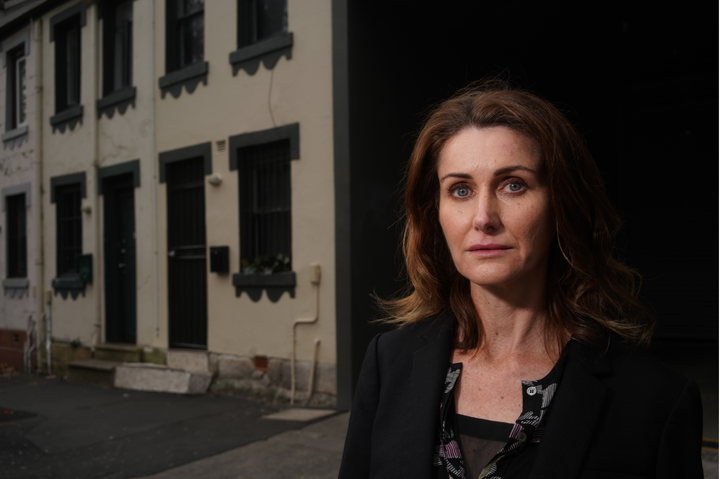
She lived on Victoria Street in Sydney’s Kings Cross and became involved in the fight to save its old Victorian houses from the wrecking ball and plans by developer Frank Theeman to build high rise tower blocks in their place.

No caption
Photo: Supplied

Nearly 50 years later Nielsen’s disappearance remains a mystery. She was last seen at The Carousel nightclub in the Cross where she had gone to discuss advertising for her local newspaper Now.

The club was owned by underworld figure Abe Saffron, a personal friend of Theeman.

The people responsible for her disappearance have never been identified, and her remains have never been found.

Nielsen’s niece, Keiran McGee decided to investigate the case herself and has a podcast about her aunt’s disappearance for the ABC called Unravel – My Aunt Juanita.

One thing McGee wanted to clear up was the persistent description of Nielsen as a society kind of woman with a beehive.

“Myself and the family find it really insulting that she’s minimised in that way. I mean, this is a woman who ran her own newspaper in the 1970s. She organised a shareholder revolt against the sale of the family department stores – she was this really dynamic woman.”

Nielsen came from the family that owned the famous Mark Foy’s department store in Sydney – her father Neil was a wealthy heir to part of that fortune.

“It was all based on the Bon Marche in Paris. And it was beautiful, it brought a lot of European fashion and style from to Sydney.”

By the 1970s Nielsen was living in the Cross and publishing a newspaper from her house in Victoria Street.

“When she first purchased Now it was more kind of a social newspaper. It was all about the cool places to go in Kings Cross and where to buy or your cool clothes and things like that. She was modelling for it, she was writing everything, she was going out and getting it the advertising.

“And then she steps out of front door and sees this essentially a warzone on her street, with protesters trying to protect these terraces for low income renters and she starts to write about it and then she gets more activated.

“You kind of see this transition in her paper.”

The old Victorian terraces on Victoria Street had been converted into flats and the working-class tenants there were being evicted by Theeman, who had been buying up much property in the area.

At the time Kings Cross was an exotic and bohemian area, McGhee says.

“It was quite different to how it is now, it was more this place for artists and this kind of amazing mix of art and low-income workers and people who’d come up the hill from the docks and just this really interesting place.”

But the developers were moving in helped by changes to the planning laws brought in by Liberal state premier Robert Askin.

“Robert Askin was the premier of New South Wales. And he is roundly considered to be the most corrupt premier in Australian history, which is a big call.

“But he was, he was super corrupt. And he kind of changed a whole lot of the planning laws to allow all this redevelopment of areas such as Kings Cross in the inner city, which destabilised a lot of local communities.”

Protesting against the development was a dangerous business, McGhee says.

Arthur King, a leader of the anti-development protestors, was abducted. He still doesn’t talk about what happened to this day, she says.

“But what I know about it is very traumatic. And he was just scared for his life … he was in a very, very dangerous position.

“So, he did everything he could survive, and he listened to what his abductors told him to do. And he survived.”

The BLF construction union supported the protestors, she says, and declared a “green ban” on the street, effectively meaning no union member could carry out demolition work. The head of the union was Jack Mundey

“In 1973, he was the head of the New South Wales BLF. And what the green ban did it was it was essentially like a strike. But instead of it being about union wages and things like that, the BLF wanted to protect the integrity of the environment.

“They were declaring green bans on building sites around Sydney.

“In one place in Kelly’s Bush it was to protect literally a reserve and then in other places in Woolloomooloo it was to protect low income housing.

“And it was really inspiring, and it was kind of this amazing moment in time that some lay people were activated. And unions joined forces with these protesters for higher purpose.”

Nielsen founded the Victoria Street Ratepayers Association to put pressure on the council to resist the developer, Theeman meanwhile had the police on his side.

At the Victoria street siege where Theeman’s thugs tried to forcibly evict tenants, the police either watched on or actively helped, she says.

“I spoke to a couple of people who were at the siege, their descriptions of how scary it was, and how they were arrested and just dragged out by the police.

“And you just think that should not have happened – the police should have been there to keep peace.

“But they were there with the thugs who one protester told me had axes and chains.”

Nielsen was overseas when the siege took place, shortly before her own disappearance.

There had been one or two attempts to get Nielsen to visit The Carousel before, McGhee says, but Nielsen was suspicious and by this time worried for her own safety.

“In the morning she has her phone call with [business partner] David Farrell. Because she checks in every morning with him and tells him how her day’s going to be planned out because they are concerned about her safety.

“And she says that she’s going to this meeting at The Carousel and David’s not comfortable with that. But you know, you can’t tell Juanita what to do.”

The Carousel club was owned by the notorious “Mr Sin” Abe Saffron

“He was friends with Theeman. They knew each other …I still haven’t worked out the extent of their friendship. But they do know each other.”

There has long been suspicion about the police investigation into Nielsen’s disappearance, she says.

“When we spoke to Arthur King he said that the investigation, it should have been solved within three days – she walked into The Carousel club and was never seen again.  I mean, how hard can it be?”

In 1983 a coroner’s finding said the investigation was inhibited “by the atmosphere of corruption, real or imagined, that existed at the time.”

“We have to look at the police corruption at the time, which was rife. And that’s been established through the Wood Royal Commission, that it was systemic and endemic.”

Just last year the NSW Police offered a reward of $1 million for information that could lead to the recovery of Nielsen’s remains.

“It’s for information leading to the discovery of her body, rather than any final kind of convictions.”

Fijians urged to vaccinate as Moderna arrives

By RNZ.co.nz and is republished with permission

Fijians above 60 years of age and pregnant women have been encouraged to get the Moderna vaccine for protection against Covid-19.

The government plea comes amid record daily infections and deaths recorded so far – over 14,000 active cases are in isolation with more than 100 deaths reported.

..
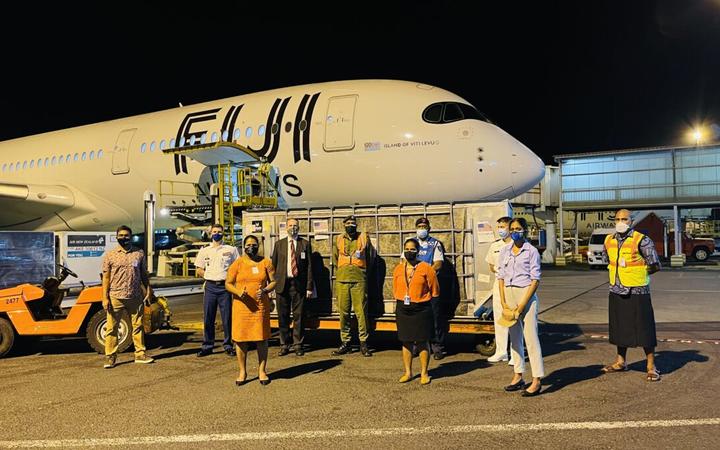
.. Photo: Supplied/US Embassy, Suva

Fiji’s Health Ministry says it will begin administering the Moderna vaccine soon after more than 150,000 doses of the vaccine arrived in Fiji last weekend through the US government and the COVAX Facility.

The shipment is part of the 80 million doses of vaccine that President Joe Biden committed from the US vaccine supply to support global needs.

US Embassy in Suva Chargé d’Affaires Tony Gruebel said that was due to the “ingenuity of American scientists and the resilience and commitment of the American people to help others”.

Gruebel said the vaccine donation followed a May response by Washington to Fiji’s request for critical assistance to confront the evolving Covid-19 crisis in the Pacific island nation.

“In partnership with UNICEF, the United States Agency for International Development (USAID) redirected funding to procure vital infection prevention and control items for Fiji’s Ministry of Health.

“The vaccines also follow the US donation of 42 freezers to provide storage space for large quantities of the vaccine as well as freezer packs, which will allow for the easy transportation to inoculation sites.”

Gruebel said the donation was funded by the US Indo-Pacific Command’s Overseas Humanitarian, Disaster and Civic Aid program.

In addition, Gruebel also launched a new $US1.5 million partnership between USAID and UNICEF to support countries in the Pacific including Kiribati, Solomon Islands, Tuvalu, Nauru, the Federated States of Micronesia (FSM), the Marshall Islands and Fiji to combat Covid-19.

The USAID assistance would also focus on readiness, delivery, and post-delivery monitoring of life-saving Covid-19 vaccines, as well as support effective public messaging around vaccinations, he said.

Fiji’s Health Minister Ifereimi Waqainabete thanked the US government and urged Fijians with chronic lung disease, significant cardiac disease, severe obesity, diabetes, liver disease and human immunodeficiency virus (HIV) infections to get the Moderna vaccine.

Waqainabete said unlike with the AstraZeneca vaccine, pregnant women could now get the Moderna vaccine to protect themselves against the risk of severe illness, hospitalisation and other consequences of Covid-19.

“The Moderna Covid-19 vaccine will also be made available to all pregnant women across Fiji who can protect themselves from severe Covid-19 illness by getting vaccinated with the Moderna vaccine.

“Vaccination venues for the Moderna vaccine will be published on the Fijian Government, the Ministry of Health Facebook pages and in the local media.”

The ministry will begin administering Moderna to pregnant women employed in the civil service before 1 August, this year, Waqainabete said.

The government recently issued a directive to all workers to vaccinate against Covid-19 by 1 November or face losing their jobs.

The minister said pregnant women could continue to go to work while they waited to receive the Moderna vaccine.

“An individual requires two doses of the Moderna vaccine for full protection, with the second dose to be administered 28 days after the first dose.

“The ministry recommends people to receive the same type of Covid-19 vaccine for both first and second doses, without mixing them.

“This means a person who received the Moderna vaccine as first dose should get the same Moderna for the second dose and the same applies to the AstraZeneca vaccine.”

The Covid-19 Drive-Through Vaccination Centre in Suva.
The Covid-19 Drive-Through Vaccination Centre in Suva. Photo: Facebook/Fiji govt

The minister said the new vaccine would boost the government’s ongoing vaccination efforts and would allow eligible individuals, 18 years and older, including pregnant women to get vaccinated.

“While the AstraZeneca vaccine also protects pregnant mothers from severe illness, hospitalisation and other consequences of Covid-19, the Moderna vaccine will allow earlier immunity protection for women, as the second dose is administered after 28 days.

“The Moderna Covid-19 vaccine came into the country with the support of the United States under the COVAX Facility vaccine share mechanism – a world-wide initiative aimed at fair access to Covid vaccines directed by Gavi, the Vaccine Alliance, CEPI, WHO and UNICEF.

“The Moderna vaccines are a timely boost to Fiji’s Covid-19 vaccination campaign.”

Waqainabete urged pregnant women to get vaccinated without delay including those above 60 years of age with severe co-morbidities such as chronic lung disease, significant cardiac disease, severe obesity, diabetes, liver disease and human immunodeficiency virus (HIV) infections who are also among those prioritised to receive the Moderna vaccine within the Suva-Nausori Covid-19 containment corridor.

The Health Ministry said a total of 401,404 Fijians or 68.4 percent of the target population have received their first dose of the AstraZeneca vaccine, while 80,895 people (13.8 percent) have received both jabs.

Government points finger at China over cyber attacks

The government says it has uncovered evidence of Chinese state-sponsored cyber attacks in New Zealand.

Andrew Little
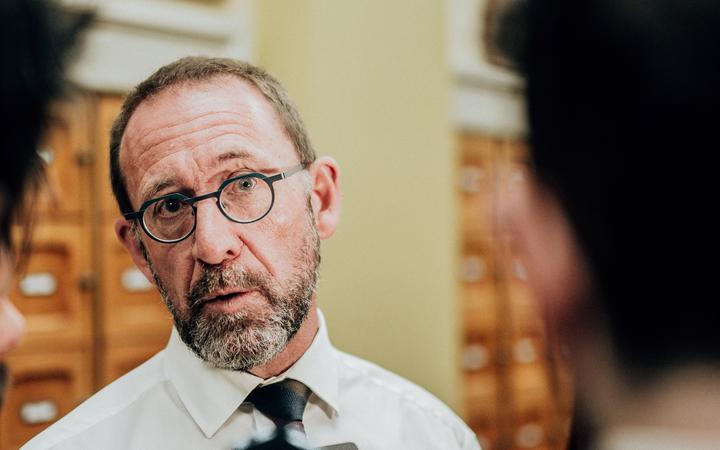
China should take appropriate action to stop cyber attack activity originating from its territory, Andrew Little says. Photo: RNZ / Dom Thomas

GCSB Minister Andrew Little said that the foreign intelligence agency has established links between Chinese state-sponsored actors known as Advanced Persistent Threat 40 (APT40) and malicious cyber activity in New Zealand.

The GCSB had “worked through a robust technical attribution process” to establish its conclusions, Little said.

He said the government is joining other countries in strongly condemning what the Chinese Ministry of State Security has been doing both in New Zealand and globally.

“Separately, the GCSB has also confirmed Chinese state-sponsored actors were responsible for the exploitation of Microsoft Exchange vulnerabilities in New Zealand in early 2021.

“We call for an end to this type of malicious activity, which undermines global stability and security, and we urge China to take appropriate action in relation to such activity emanating from its territory,” Little said in a statement.

Microsoft email servers have been targeted and Little said the GCSB has helped the affected local organisations.

In March New Zealanders were warned to be concerned and act swiftly after a massive email hack that was blamed on China.

Little will not be naming the victims citing national security and commercial confidentiality.

It reinforced the importance of organisations and individuals having strong cyber security measures in place, the minister said.

The GCSB said about 30 percent of serious malicious cyber activity in this country can be linked to various state-sponsored actors.

Read more:

UK also blames Chinese-backed actors for Microsoft hacking

New Zealand joined the US, UK and the EU, along with Australia and other countries, in condemning malicious cyber activity.

US Secretary of State Antony Blinken said it posed “a major threat to our economic and national security.”

Britain said on Monday that it and its partners held Chinese state-backed groups responsible for “a pervasive pattern of hacking” involving attacks on Microsoft Exchange servers.

The attacks took place earlier this year and affected more than a quarter of a million servers worldwide, the British foreign ministry said.

“The cyber attack on Microsoft Exchange Server by Chinese state-backed groups was a reckless but familiar pattern of behaviour,” British foreign minister Dominic Raab said in a statement.

“The Chinese government must end this systematic cyber sabotage and can expect to be held to account if it does not.”

The foreign office said the attack was “highly likely to enable large-scale espionage”.

It added Britain and its allies attributed the Chinese Ministry of State Security as being behind the hacking groups known by security experts as “APT40” and “APT31”.

– RNZ / Reuters

11-year-old among eight illicit drug arrests in Tongatapu

Eight men including an 11-year-old boy have been arrested after Police targeted several locations in Tongatapu.

The arrests were made between Monday 28 June 2021 and Wednesday, 14 July 2021, Police said.

The seven men arrested were all in their early twenties to mid-thirties. The boy was arrested for possessing a utensil for smoking drugs during a police raid of a residence at Pahu.

Seizures include 153 cannabis plants uprooted from a bush allotment at Vaini, 15.93 grams of methamphetamine, and over $8,000 pa’anga.

“There is real concern for the involvement of youth in drugs activities and my message is, walk away now from drugs before it’s too late”, Acting Deputy Commissioner Halatoa Taufa said.

Taufa also confirmed that Police seized drugs, utensil, and a large amount of cash from the driver in the road crash which claimed the life of a 20-year-old man on the 4 July on Taufa’ahau Road opposite Hu’atolitoli Prison.

“Taufa wishes to acknowledge the partnership with the communities and encourages anyone who may have information about drugs to please come forward or contact phone 740-1660 or 922.”

Why red meat is getting more expensive

By RNZ’s Farah Hancock and is republished with permission

If you feel like red meat is more expensive than it used to be, you’re right.

Around 95 per cent of New Zealand’s sheep meat and 87 per cent of beef is exported, and what’s left behind for locals is being sold at a premium.

In January 2007, 1kg of beef mince would have cost $9 according to Stats NZ’s food price index. If you put a pack in your shopping trolley in January this year, it would have cost $16.39.

That’s an 82 per cent increase and inflation doesn’t explain the difference. Had the price of beef mince simply risen with inflation, that $16.39 pack of mince would have cost just $12.09.

Stewing beef, such as blade steak, shows a similar pattern. In 2007, a kilogram cost $11.90. In January this year the same amount cost just over $20. Had it matched inflation it would have cost $15.98.

Top steak cooking tips from a champion

It’s a similar story with lamb. A kilogram of lamb chops cost $10.51 in 2007. Now it’s $18.02. Had it matched inflation it would be $14.11.

Beef + Lamb NZ chief executive Rod Slater said the cost of meat in New Zealand reflected what markets overseas were willing to pay.

“If a housewife in the middle of Oxford in the UK is prepared to pay a certain price for a cut of meat, we have to match that in New Zealand,” he said. “We are price takers, not price makers in this country.”

Slater had heard New Zealand consumers complain about the price of meat for years.

“It’s nothing new. Consumers always have – and maybe justifiably – have tended to think that we’re paying too much for our product and some of them go to the UK and they see lamb being on special in the supermarket at less than what they can buy it.”

Have a taste of the newly-crowned best steak in NZ – how would you like it done?

One of the emerging buyers for our red meat is China.

African swine flu decimated the country’s pig numbers in 2018 and former trade negotiator and founder of consultancy Sanders Unsworth Charles Finny said this was why China had been importing more beef and lamb.

Finny said there were previously misconceptions about what goods would sell well there. “I can remember exporters saying to me, ‘Oh, well, China is never going to be a big dairy market because people don’t really like milk products, and they don’t like lamb either’.”

Now it’s the top buyer of New Zealand’s dairy and sheep and, in 2019, it was the top buyer of beef before slipping back to second place behind the United States.

He put the increased demand down to the growing wealth of China’s citizens. Parents with increased earnings wanted the best nutrition possible for their child, making New Zealand’s dairy products, with their reputation for high food safety standards, popular.

NZ China Council’s executive director Rachel Maidment said the Chinese government had also sent strong messages about nutrition.

“There’s been a big focus in China on nutrition and high-quality protein and the impact that that can have on building immunity. So over the Covid period, there’s been quite a government focus on high-quality food to build immunity.”

While New Zealanders may pay more because of the demand for our food from other countries, there is a flipside to global competition. Sometimes other countries produce food cheaper than New Zealand does and there’s nothing stopping New Zealanders choosing a cheaper, imported option.

Pork prices, for example, have risen at lower rates than inflation. In January 2007, a kilogram of pork loin chops cost $14.25. Now it costs just 26c more. Had it followed inflation the cost would be $19.14.

Fair Go compares fat content in beef mince from six different Auckland stores

It’s thanks to imports. Around 60 percent of the pork consumed in New Zealand is imported. In 2020 almost 30 percent of imports came from Spain, and 25 percent came from Canada.

“Imported pork is often cheaper than New Zealand pork because many overseas countries pay subsidies to their farmers, which reduces the costs of farming. Overseas, pig feed inputs are also cheaper,” said NZ Pork chief executive David Baines.

Animal welfare standards, however, are lower in the majority of countries pork is imported from, and some countries allow growth promotants to be used.

The New Zealand industry pushed for country of origin labelling to make it clear to consumers where pork and pork products come from.

While New Zealand imports pork for consumption here, it also exports it. In 2020, 93,000 tonnes were exported. In 2019 over 350,000 tonnes was sent offshore.

Spotlight on abuse of Pacific people: ‘There are added layers of complexity’

By RNZ.co.nz and is republished with permission

The first-ever investigation into abuse in care of Pacific people in this country opens today.

The Royal Commission of Inquiry hearing, Tulou – Our Pacific Voices: Tatala e Pulonga (lifting the dark cloud), will take place at the Fale o Samoa in Māngere over the next two weeks.

It will look at abuse of Pacific people in both state and faith-based institutions between 1950 and 1999.

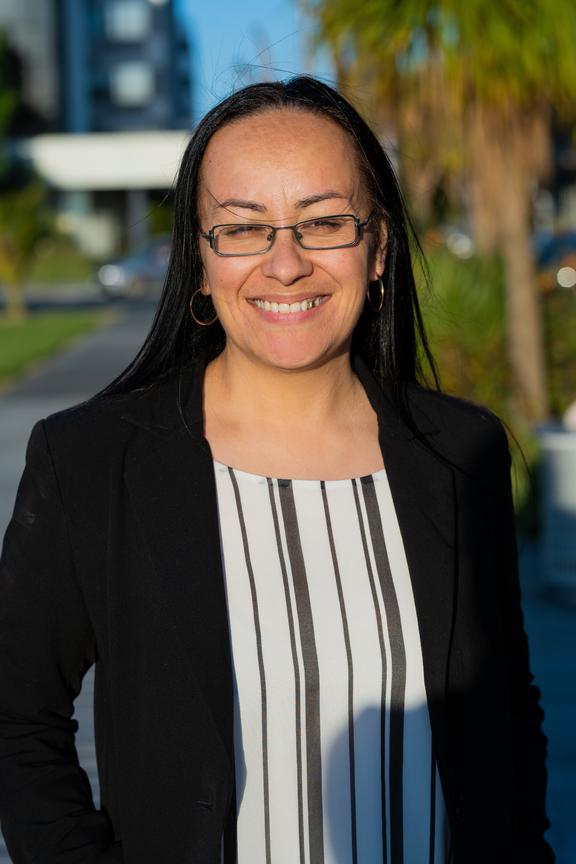
Lead Counsel Assist with the Royal Commission of Inquiry into Abuse in Care, Tania Sharkey.
Tania Sharkey says the inquiry will cover the migration of Pacific people to New Zealand through to the impacts of abuse. Photo: Supplied

Lead counsel assisting the hearing, Tania Sharkey said it is harder for Pacific people to come forward.

”There are added layers of complexity for Pacific people in terms of our culture and the shame associated with abuse.”

She said other Pasifika survivors have spoken at previous Royal Commission hearings and this has encouraged others to come forward.

”We do encourage Pacific survivors who will watch the hearing over the next two week period to please continue to come forward.”

Sharkey said the hearing will be wide ranging.

”Based on the stories we have received what we are doing is looking at the narrative of Pacific people framed in the context of Pacific people’s experience in New Zealand to date, so we are starting at the migration of Pacific peoples to New Zealand and that is where you look at the years before the dawn raid era and the dawn raid era itself.”

”Then moving through to whether race being Pacific peoples was an issue for Pacific people in care settings.”

The inquiry will also look at whether Pacific people experienced a disconnection of culture, identity and language as a result of being in care.

”It is actually quite a long period we are looking at, starting from the migration of our people here, the circumstances leading into care and then the nature and impacts of that abuse.”

The inquiry had a wide scope because it was a thematic investigation and not just about a setting, Sharkey said.

It was correct to say that those in care at a young age were predominantly Māori or Pasifika, she said.

A lack of accurate data on the number of Pacific people who are survivors of abuse while in care has proved a challenge to the inquiry.

Sharkey said the way Pacific people were recorded while in care was not appropriate.

”They were recorded as Māori, or went into a category where it was just called non-Māori, so that has also added to difficulties in establishing exactly how many Pacific people were in residences, but we hear quite strongly from our survivors that, yes we were definitely in those institutions.”

Twenty people, divided between survivors and expert witnesses, will give evidence at the hearing.

Planning started at the end of last year.

Until now the Royal Commission has held public hearings at its office in Newmarket in Auckland, but Tulou – Our Pacific Voices: Tatala e Pulonga will be held in South Auckland because it is closer to the Pacific community.

”The decision to bring the hearing out to the Fale to South Auckland which represents the largest Pacific population in Aotearoa represents home and allows the survivors to share their voices in a culturally appropriate space and it also means it’s more easily accessible to our public, our communities, to come along and support our Pacific survivors,” she said.

The public hearing is one part of a wider Pacific investigation. It also includes private sessions with survivors, reading written statements and using research to help the commission inform its reporting.

The hearing will open today with a traditional Pacific ceremony.

The first witness will be Luamanuvao Dame Winnie Laban, former Member of Parliament and this country’s first MP of Pacific Island heritage.

She will provide a contextual background on the migration of Pacific peoples to Aotearoa-New Zealand.

FAKAMATALA FAKATONGA NOUNOU

Kuo fakahoko ‘i Nu’u Sila ‘a hono fuofua fakatotolo’i ‘a hono pā’osi’i ‘o e kakai Pasifiki’ mei he 1950 – 1999. ‘Oku fakahoko ‘eni ‘e ha Komisoni Fakatu’i ‘i he kaveinga ko e Tulou – Ko Hotau Ngaahi Le’o Pasifiki: Tatala E Pulonga’. ‘E fakahoko ‘eni ‘i Māngere ‘i he Fale o Samoa ‘i he uike ‘e ua ka hoko mai’. ‘Oku mahino ko e vaa’ita’u ‘eni ne hangē ‘oku ‘ainoa’ia’i pe kakai Pasifiki’ ‘i Nu’u Sila’ ni ‘i hono tokanga’i kinautolu ‘e he pule’anga’ mo e ngaahi fai’anga feohi fakalotu’ pea ‘ikai hano lekooti fakapapau’i honau puipuitu’a’ hangē ko e ni’ihi Pasifiki ne lekooti pe ia ko e Non-Maori kae ‘ikai pehē pe ko e Tonga pe ko ha Ha’amoa.  Kuo ‘i ai ‘a e kakai Pasifiki ne pā’osi’i ka kuo nau kei mo’ui mai mei he vaa’i taimi ko ‘eni pea kuo nau lea ki hono pā’usi’i kinautolu’. ‘E kau ki heni mo e ‘isiu ko ia ‘o hono tuli kulii’ e kakai Pasifiki ne nau nofo ‘ova he ‘aho ko ia’ he fonua’ ni ‘i he fo’i vaa’i taimi ‘eni kuo ‘iloa he hisitōlia ko e ‘Ohofi Hengihengi’ pe Dawn Raid.

All Blacks: Perenara, Moody and Tu’ungafasi back for Rugby Championship

By RNZ.co.nz and is republished with permission

Halfback TJ Perenara and props Joe Moody and Ofa Tu’ungafasi will return to the All Blacks for the Bledisloe Cup and Rugby Championship.

The trio missed the July tests against Fiji and Tonga, but have been included in coach Ian Foster’s 36-man squad for the upcoming tournament.

Prop George Bower will remain with the squad as injury cover for Moody, who is not expected to return to Test rugby until after the Bledisloe Cup Series.

Hooker Samisoni Taukei’aho will also stay with the All Blacks squad as cover for Asafo Aumua who missed the two tests against Fiji. Aumua may also play the opening round of the NPC to build his match fitness.

69-Test halfback Perenara recently returned from Japan and has been playing club rugby for Norths in Porirua.

He will also play NPC rugby. New All Black Finlay Christie will remain as temporary cover with the squad.

Midfielder Braydon Ennor, who missed the July tests to undergo appendicitis surgery, has been named.

125-Test lock Sam Whitelock will again captain the All Blacks, in the absence of Sam Cane who is still recovering from chest surgery. As well as Cane, midfielder Jack Goodhue was also not considered for selection due to injury.

All Blacks Head Coach Ian Foster said: “It’s exciting to be naming the squad for the Rugby Championship and we can’t wait for the next phase of our Test season.

“The July series gave us a great opportunity to grow some depth and experience. It also enabled us to re-establish some returning players, both from overseas or from injury. The Bledisloe Cup plus the Rugby Championship are pinnacle challenges for us and remain as our top priorities. There is real excitement in the group for these opportunities in front of us,” he added.

The All Blacks will have a two-day camp in Christchurch next week before assembling in Auckland for the pre-Rugby Championship Bledisloe Cup Test presented at Eden Park on Saturday 7 August. The second Bledisloe Test is at Optus Stadium, Perth, on Saturday 21 August, with the third back home at Sky Stadium, Wellington, the following Saturday, 28 August.

“Our players are looking forward to spending some time at home before what is shaping up to be a hugely-competitive Rugby Championship. The Bledisloe Cup Series is a great way for us to kick off this part of the season,” Foster said.

“It’s our first challenge; we’re playing for a trophy that is massively important to us, and we’re both coming in fresh off our respective Series wins, so it bodes well for a great Series.”

Following the Bledisloe Cup Series, the All Blacks will then play four Tests in a row in September, with back-to-back Tests against Argentina, at Eden Park on Saturday 11 September and Sky Stadium, Wellington, on Saturday 18 September.

The All Blacks then head to Dunedin for the 100th Test between the All Blacks and South Africa at Forsyth Barr Stadium on Saturday 25 September with the team’s final Rugby Championship Test against South Africa at Eden Park on Saturday 2 October.

Foster said the team was again looking forward to playing the Pumas and relishing the return of the Springboks to the Rugby Championship.

“Having the South Africans back in the Championship is going to be exciting for everyone. We haven’t played them since Rugby World Cup 2019 so there’ll be a lot of anticipation about them, and the 100th Test match is going to be an extra special occasion.”

The 36-strong squad is as follows: Age, Super Rugby club, provincial union and Test caps in brackets.


Hookers

Asafo Aumua (24, Hurricanes / Wellington, 2)

Dane Coles (34, Hurricanes / Wellington, 76)

Codie Taylor (30, Crusaders / Canterbury, 58)

Props

Nepo Laulala (29, Blues / Counties Manukau, 31)

Tyrel Lomax (25, Hurricanes / Tasman, 8)

Joe Moody (32, Crusaders / Canterbury, 50)

Angus Ta’avao (31, Chiefs / Auckland, 16)

Karl Tu’inukuafe (28, Blues / North Harbour, 18)

Ofa Tuungafasi (29, Blues / Auckland, 39)

Locks

Scott Barrett (27, Crusaders / Taranaki, 42)

Brodie Retallick (30, Chiefs / Hawke’s Bay, 83)

Patrick Tuipulotu (28, Blues / Auckland, 38)

Tupou Vaa’i (21, Chiefs / Taranaki, 4)

Samuel Whitelock (32, Crusaders / Canterbury, 125) – captain

Loose Forwards

Ethan Blackadder (26, Crusaders / Tasman, 2)

Shannon Frizell (27, Highlanders / Tasman, 14)

Akira Ioane (26, Blues / Auckland, 4)

Luke Jacobson (24, Chiefs / Waikato, 5)

Dalton Papalii (23, Blues / Counties Manukau, 5)

Ardie Savea (27, Hurricanes / Wellington, 50)

Hoskins Sotutu (23, Blues / Counties Manukau, 6)

Backs

Halfbacks

TJ Perenara (29, Hurricanes / Wellington, 69)

Aaron Smith (32, Highlanders / Manawatu, 99)

Brad Weber (30, Chiefs / Hawke’s Bay, 9)


First five-eighths

Beauden Barrett (30, Blues / Taranaki, 91)

Richie Mo’unga (27, Crusaders / Canterbury, 24)

Midfielders

Braydon Ennor (23, Crusaders / Canterbury, 1)

David Havili (26, Crusaders / Tasman, 5)

Rieko Ioane (24, Blues / Auckland, 37)

Anton Lienert-Brown (26, Chiefs / Waikato, 50)

Quinn Tupaea (22, Chiefs / Waikato, 1)

Outside backs

Jordie Barrett (24, Hurricanes / Taranaki, 25)

George Bridge (26, Crusaders / Canterbury, 12)

Will Jordan (22, Crusaders / Tasman, 5)

Damian McKenzie (26, Chiefs / Waikato, 30)

Sevu Reece (23, Crusaders / Tasman, 10)

Commentary: Criticisms and possible answers to why Tu‘i‘onetoa changed his stance on Clause 23 of the Constitution before Akosita Lavulavu finally resigned

Commentary Prime Minister Pōhiva Tu’i’onetoa finally gave up clinging to Clause 23 of the Constitution before he officially announced that fraudster Akosita Lavulavu has resigned as Cabinet Minister.

(L-R) Prime Minister Pōhiva Tu’i’onetoa

The sudden revelation left many people confused while critics said the unusually formal and preacherly announcement of the resignation was another justification for the Prime Minister’s finally acting to avoid causing public controversy and outrage.

It came after the Prime Minister told media and Parliament he could not do anything to remove Akosita from Cabinet until her appeal was heard, citing Clause 23. He said he received legal advice to stand by the clause amid criticism.

It was another shift of justification he made after he previously told media he would not act against her until she was found guilty by the court.

Akosita and her husband ‘Etuate Lavulavu were found guilty by the Supreme Court on June 4 and they were sent to jail on July 2. After her conviction Tu’i’onetoa announced that Clause 23 barred him from making a decision that would go against her.

The announcement

If the Prime Minister had stood firm on Clause 23, Akosita would still be a Cabinet Minister in jail until her appeal was heard in September this year or March 2022. This meant she would still have been paid in full and receive all her allowances and entitlements.

When Tu’i’onetoa announced her resignation in a FM 87.5 Facebook livestream last week on Thursday, July 15, he did not say why he changed his mind.

His announcement began with a formal introduction of Tongan practice of fakatapu by mentioning His Majesty King Tupou VI and his main heralds as well as the nobles of the realm and church leaders before saying he had accepted Akosita’s resignation from Cabinet.

He said he stood by Clause 23 until July 9 to support Akosita as one of his “children in the Cabinet” (“taha ‘eku fānau ‘i he Kapineti”.)

“I made a decision to dismiss her effective from July 2 2021”, the Prime Minister said in Tongan.

He said it was a challenging moment for him.

He said it was important for him not to quick to make decision but be courageous and find spiritual assistance from God.

He also said there were four pillars of decision making which were administrative justice, executive accountability, good administration and good spirituality.

The Prime Minister also mentioned scriptures from the Holy Bible and preached on them to justify his support for Akosita.

He said Akosita had struggled to find help in times when she was in difficulties, but he was there and the Cabinet Ministers to support her.

He also sent his love and wished Akosita and ‘Etuate Lavulavu and their family good luck.

Former MP Lepolo Taunisila described the announcement by the Prime Minister as long winded and like a confession after he realised his previous decision to do nothing against Akosita had caused huge public controversy.

Taunisila said the Prime Minister should have got straight to the point and said Akosita had resigned and who was acting in her place.

Possible scenario

The Prime Minister should come clean and explain why she finally resigned and whether she was forced to tender her resignation.

Failing to do so will give the public and media the right to work it out for themselves apart from media and public pressures.

Firstly, it may be that the prime minister and his legal advisors finally realised that the power given to him by Clause 51(3)(a) to sack a minister at his pleasure had mirrored a flaw in his repeated claims that clause 23 barred him from taking action until the appeal is heard.

Secondly, it could be that this was because  ‘Etuate, the person who was said to have great influence on the Prime Minster, was no longer in contact with him. It has long been suspected that Etuate wrote the Prime Minister’s responses to the media especially whenever he was being accused or criticised. Former Deputy Prime Minister Vuna Fā’otusia resigned last year after saying he was dissatisfied with Tu’i’onetoa listening to ‘Etuate when he interfered in government affairs.

Thirdly, it could be that Akosita made the decision herself while in jail. It could be that the former Minister of Infrastructure and Tourism used her time in Hu’atolitoli prison to think deeply about how she embarrassed and discredited the government and the nation.

No mention of the stolen money

The Prime Minister’s justification for his doing nothing against the Lavulavus’ saga since day one  seems to have to protect the Lavulavus.

He never said anything about the New Zealand and Australian funds they stole from the government or to recover it through legal action. ‘Etuate told the Supreme Court during their trial he could pay back the money only if his sentencing was reduced to community work. The judge rejected his offer.

The Prime Minister did not apologise to Tonga, New Zealand and Australia after the money was stolen.

The Prime Minister must remember that his job includes making sure the tax and overseas grant monies are spent honestly and wisely.

Democracy principle

He also must remember that in a democracy like Tonga, it is all about the principle of the majority rules and minority rights.

This means, he is obliged to make his decision based on what is good for the majority of the people while not taking away the rights of the minority.

In the Lavulavu’s case, it is possible for the Prime Minister to love the Lavulavu couple despite the serious offending they made, but he overplayed the situation.  He was seen tearing up during his official Facebook livestream after the Lavulavu’s conviction while alleging that other schools did the same thing as the fraudster couple.

The Prime Minister should learn that his unwise decision not to immediately dismiss Akosita in the beginning has caused a lot of controversy and criticism in the public. His lack of leadership should be blamed for this.

FAKAMATALA FAKATONGA NOUNOU

Ne me’a e ‘Eiki Palēmia’ ‘o fakahā faka’ofisiale kuo fakafisi ‘a Akosita Lavulavu mei he Kapineti’ he uike kuo ‘osi’ fakafou mai he lavesitulimi (livestream) ‘a e Letiō FM 87.5. Taha e me’a mahu’inga kuo mahino heni’ ko hono tuku ange ‘e he  palēmia’ ‘ene pipiki ki he kupu 23 ‘o e konisitūtone’ ka ne fakahā mai kuo’ ne fakafisi. Kapau na’e kei piki mate pe ‘a Pōhiva Tu’i’onetoa ‘i he kupu 23 ‘e kei minisitā pe ‘a Akosita neongo ‘ene ngāue pōpula’ pea ‘oku ‘uhinga ia ‘e kei vahe kakato pe ia mo ma’u ‘a e ngaahi monū’ia kotoa pe ne tonu ke ma’u ‘e ha minsitā na’e ‘ikai ngāue pōpula kae ‘oualeva kuo toe hopo’i ia ‘i he Fakamaau’anga Tangi’ ‘i Sepitema ‘o e ta’u ni’ pe Mā’asi ‘o e 2022. Ne ‘ikai fakahā mai ‘e he palēmia’ ‘a e ‘uhinga kuo toe liliu ai ‘ene fakakaukau’ pehē pe kia Akosita ke tuku e kupu 23 ki tafa’aki kae fakafisi ā ia. ‘I he ‘uhinga ko ia’ ‘oku ‘atā ai ki he kakai mo e mītia’ ke nau vavalo’i ko e hā nai ‘a e ‘uhinga’ makehe mei he ngaahi teke fefeka mei he mītia’ mo e papiliki’. He ko hono mo’oni ‘oku hā mai ‘oku ngali mole nai mei he palēmia ‘a e pōto’i taukei taki  mahu’inga ko e fai ‘a e tu’utu’uni totonu ‘i he taimi vave ke fakasi’isi’i ha maumau ‘e fakatupu vālau ‘i he kakai’ ‘o hangē ko ia na’e hoko’. Kaekehe ko e anga ‘eni e vavalo ki he ‘uhinga kuo fakafisi ai ‘a Akosita’.  ‘Uluaki, ngali na ko e tupu ‘eni he kuo ‘ikai ha toe fetu’utaki ‘a e palēmia’ mo ‘Etuate. Ko ‘Etuate foki na’e tukuaki’i ko ia na’e ‘atamai pea na’a’ ne fa’u e ngaahi tali ‘a e palēmia’ ki he mitia’ tautefito ki he taimi na’e fai atu ai hano tukuaki’i ‘o Tu’i’onetoa. Na’e fakafisi ‘a Vuna Fā’otusia mei he Tokoni Palēmia’ ko ‘ene mamahi he lahi e tui ‘a e palēmia’ ia ki he fale’i ‘a ‘Etuate’ ka ‘oku ‘ikai hano lakanga he pule’anga’. Ua, pe na’a kuo tali ‘e he palēmia’ mo hono kau fale’i fakalao’ ‘a e mātu’aki tōnounou ‘a ‘enau faka’uhinga ki he kupu 23 he ‘oku toe ‘i ai mo e mafai ia ‘o e palēmia’ he kupu 51(3)(a) ke ne tuku ha minisitā ki tu’a ‘i ha fa’ahinga taimi pe. Ne pehē foki ‘e ha fakamatala fokotu’u fakakaukau ki mu’a ‘a e Kaniva’ ngali ‘oku fepaki ‘a e kupu 23 mo e kupu 51(3)(a) ‘o e konisitūtone’. ‘I he’ene pehee’ ko e fatongia ia ‘o e Fakamaau’anga’ ke ne veteki mai ko e hā hono mo’oni’. Ka kuo toe to’o pe ‘e Tu’i’onetoa ia ‘a e fatongia ‘o e Fakamaau’anga’ ‘o ne pehē ‘e ia ko e tonu ē ‘a e kupu 23 kae hala ‘a e kupu 51(3)(a) ia. Pea ko e tolu e ‘uhinga ngali ne tu’unga ai e liliu e fakakaukau ‘a e palēmia’, na’a kuo toki ma’u taimi ‘a Akosita ‘i Hu’atolitoli ke ne fakakaukau ‘iate ia pe ke fakafisi he kuo’ ne  fakatupu ha mā’anga mo ne tukuhifo  e ngeia ‘o e pule’anga’. Kuo ‘i ai ‘a e fakaanga ki he founga ne fakahoko mai ‘aki ‘e he palēmia’ ‘a hono talaki e fakafisi ‘a Akosita’. Ne faka’uhinga’i ‘e he ni’ihi ne fu’u tō ia ki tu’a. Ne tonu k ene talamai pe kuo fakafisi ‘a Akosita pea ngata ai. Ka kuo toe malanga mai ia  fakaTohi Tapu mo lau lotu ka ko e feliuliuaki ‘ikai pau ki ha me’a ‘ene fakatonuhia’i ‘a e ‘ikai ke ne fai leva ha me’a kia Akosita ‘oku ‘ikai ko ha angatotonu fakalotu ia.  ‘Oku mahu’inga foki ke mahino ki he palēmia ko ‘ene ‘i he lakanga taki’ kuopau ke ne muimui he fakakaukau fakatemokalati ‘o e pule ‘a e tokolahi’ mo e totonu ‘a e tokosi’i (Majority rules and minority rights). ‘Oku ‘uhinga ‘eni kuopau ke vave ma’u pe ke fai tu’utu’uni ki he lelei ‘a e tokolahi taimi tatau te ne kei ‘oange pe faka’apa’apa’i fe’unga ‘oku taau  ma’a e  totonu ‘a e  tokosi’i. Pea ‘i he keisi ‘a e ongo Lavulavu ne ‘asi mai ia hangē kuo li’ekina ‘e he palēmia ‘a e fakakaukau ke ne fai ha tu’utu’uni ma’a e lelei fakalukufua kae kavekavea’u ia hono tu’uaki ‘ene poupou ma’a e ongo Lavulavu kuo ‘osi fakahalaia’i pea tautea ‘e he fakamaau’anga’. ‘Oku ‘ikai ko ha taki lelei ha taha ‘oku veiveiua mo faka’alonga ua ‘ene faitu’utu’uni’. Ta ko ē ‘e iku fakafisi ‘o ‘ikai muimui pau ki he kupu 23 ka kuo hoko ‘o vālau e kakai mo nau loto mamahi ‘o fakatupu ta’emelino ki he nofo’.

Police respond to reports of gunshots heard in Auckland

Counties Manukau Police said they responded to reports of gunshots heard early this morning in Māngere East.

Police said officers went to a Robertson Rd property shortly after midnight and found a house damaged.

No one was injured and police are examining the scene this morning.