Auckland Airport has unveiled a $3.9 billion redevelopment project, which will see it combine its domestic and international terminals.
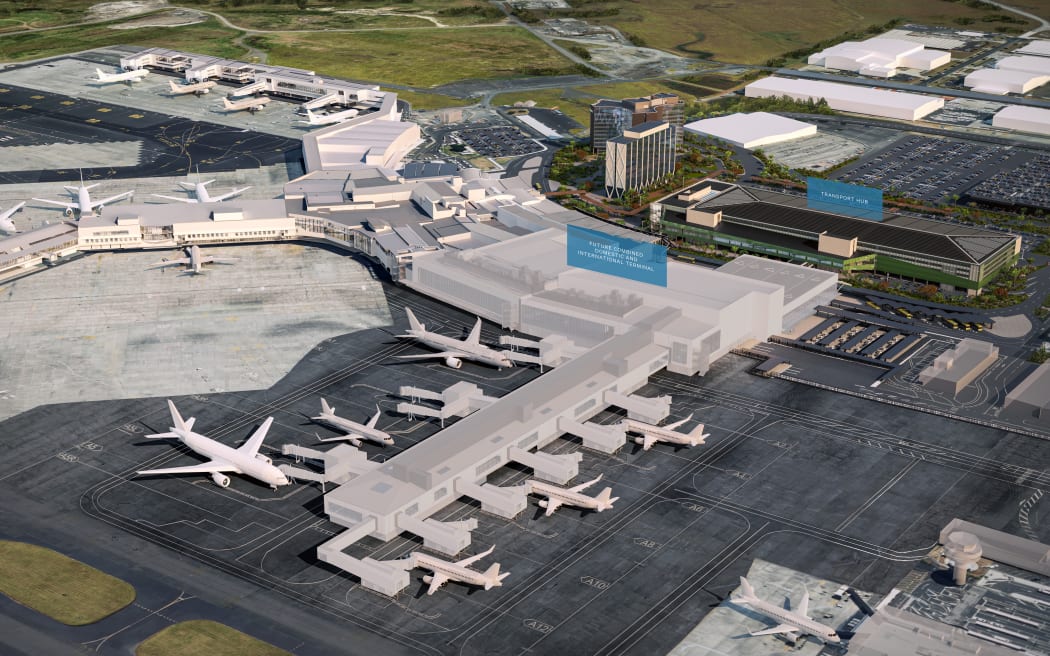
A rendition of how Auckland Airport will look after the redevelopment. Photo: Supplied / Auckland Airport
The airport said the project would reaplce the 57-year-old domestic terminal, at a cost of $2.2b and it was set to open between 2028 and 2029.
The rest of the cost ($1.7b) is for other projects associated with the integration, and includes forecast increases in construction costs and holding costs.
The airport planned 12 new domestic aircraft gates, up 20 percent from current levels, with electric charging and all catered for future aircraft.
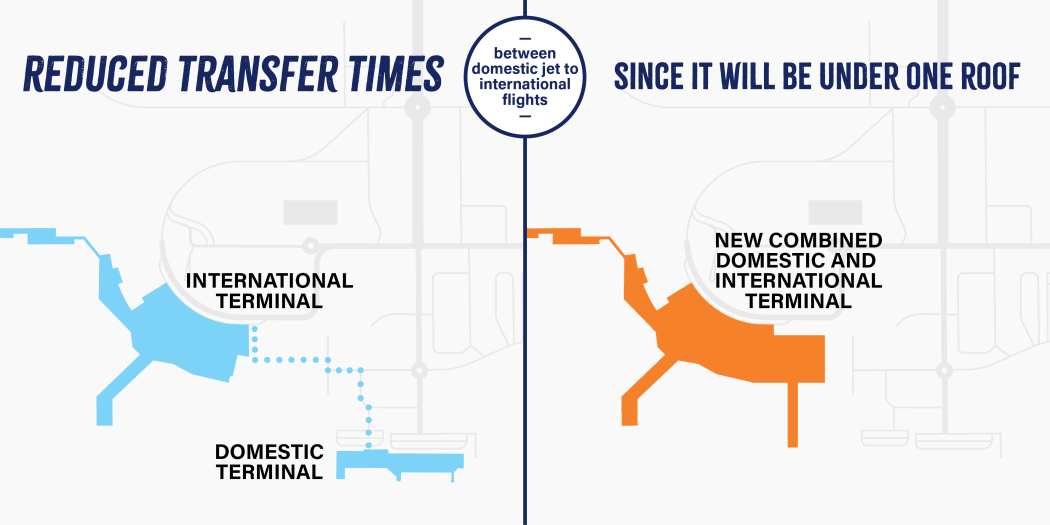
It said the combined terminal would see a five-minute transfer between the domestic and international areas.
It would also have additional retail and rest areas, a new “state-of-the-art” check-in area, and a smart baggage system, using 50 percent less power to process each bag compared to a conventional conveyor-based system.
A graphic showing how the Auckland Airport redevelopment will result in the domestic and international terminals coming under one roof. Photo: Auckland Airport
Auckland Airport chair Patrick Strange said it was a major investment for the airport, many years in the making.
“The domestic terminal is almost 60 years old and needs replacing. It’s nearing capacity and it’s no longer fit for purpose and hasn’t been for some time. If it wasn’t for the pandemic, we would already be well underway with its replacement,” Strange said.
The airport has consulted with its major airline customers on a replacement terminal since 2011.
“We have worked with major airlines for over a decade on this. We’ve considered all feedback, including potential alternative locations and even further delays to infrastructure development,” Strange said.
“All of this has been carefully thought through and we have made changes where appropriate, but now we need to get on with it,” he said.
Construction would take place over the next five to six years.
Auckland Airport chief executive Carrie Hurihanganui said the project was about building the gateway Auckland and New Zealand needed.
“A new domestic terminal integrated into the international terminal will make Auckland Airport fit for the future, providing a much-improved experience for travellers – something they’ve clearly and repeatedly told us they want,” she said.
Renovations would “not cut it anymore”, she said.
The redevelopment would employ 2000 additional customers at the height of construction.
The airport is currently consulting with airlines on new aeronautical charges between July 2022 and June 2027.
It said the terminal integration programme was a major part of its 10-year capital programme, which informed overall airport pricing.
Meanwhile, airlines are warning that Auckland Airport’s upgrade will cut the number of cheap fares on offer.
Board of Airlines Representatives executive director Cath O’Brien said the cost of the project got pushed onto airlines in the form of airport fees, and that would flow on to ticket prices.
“Airlines are frustrated by the airport’s action,” O’Brien said.
“Airlines want to make sure people can afford to fly around New Zealand, and that international carriers are attracted to operating here. This will seriously challenge both.”
Increased costs from the airport’s spend would add to the challenges the sector was already facing as it began to recover from the impacts of Covid, burgeoning costs across the sector, and fewer flights coming to the country, O’Brien said.
In other countries, airports had completed upgrades at a much lower cost than what Auckland was proposing, she said.
“Investment of such significance should be something we negotiate with the airport company, and something we make sure not only travellers, but also the New Zealand economy can afford.”
As the Covid-19 epidemic continues to affect our lives, it is important that people make decisions about how to respond based on facts rather than opinions.
Talking to people in our community, we know that some people are still worried about vaccinations. Some of them have been confused and taken advantage of by people pushing conspiracy theories and saying untrue things about vaccines.
To begin with, it is important for people to know the difference between a fact and an opinion.
Facts are things that can be proven to be true.
An opinion is a view or judgement formed about something, not necessarily based on fact or knowledge.
You can see something and think you know what is happening, but sometimes you need specialized training and education to know what is really happening. If you don’t have that training, education or experience, you have to ask somebody who does and to trust that what they say is true.
This is what the New Zealand Ministry of Health says:
“The COVID-19 vaccines available in New Zealand – Pfizer and Novavax – stimulate your body’s immune system to produce antibodies and train special cells that will fight the virus if you’re exposed to it.
The vaccines help prevent you from getting infected, having COVID-19 symptoms, or severe illness. This means you could have no COVID-19 symptoms or will have much fewer, milder symptoms and recover faster.
The Pfizer vaccine cannot give you Covid-19.”
These are facts. They have been tested and proven to be true.
However, some people still do not want to be vaccinated. Kaniva News has been talking with them. Here is what we found:
When asked why they opposed the vaccine, people said it was because one or some members of their family had been vaccinated and then experienced fever, headache, tiredness, or loss of appetite.
They said they had no doubt this was caused by the Covid vaccine and therefore the vaccine was bad and it was the cause of these side effects. When asked whether they had a professional health background or had studied medicine, they said no. In other words, their claims had no validity and were just the product of their own opinion based on what they saw.
What they shared with Kaniva News was an opinion, not something based on facts or knowledge.
If they wanted the facts they needed to talk to a doctor who has the experience, qualification and the proper equipment to help them identify the true cause of their relatives’ reactions to the Covid.
Some people suffer from side effects from vaccines. Doctors always warn their patients to be aware that they may feel ill after taking the dose.
Some people who spoke to Kaniva News said they did not believe in the vaccine and instead prayed to God to destroy the vaccine and those who had created it. When told that most Christians and members of other religions had prayed to God to give us the vaccine, they did not accept it.
Some people have claimed that the fact that the vaccines are distributed by the government means that Judgement Day is approaching.
It would be good for these people to think about how many times self-proclaimed prophets have declared that the end is nigh, only for the sun to rise as normal the next day.
It would also be useful to remember that Revelations 3:3 says specifically: “Thou shalt not know the hour at which I shall come.” In other words, nobody is meant to know when Judgement Day is meant to come.
We respect various religions and their beliefs, but we can’t use them as a tool to address our health problems. We must rely on science and doctors to treat our illnesses with the proper medicine.
Koe’uhi ‘oku kei hokohoko atu pe to’umahaki Koviti 19 ‘o ne uesia ‘etau mo’ui ‘oku mahu’inga ki he kakai kef ai ‘enau tu’utu’uni ki he anga hono fakafepaki’i ‘o makatu’unga ‘i he mo’oni’i me’a ‘oku lava fakamo’oni’i’ kae ‘ikai ko e fakakaukau.
Ne fai ‘a e talanoa ki he kakai ‘i hotau komiunitii pea mahino ‘oku kei ‘iai pe kakai ‘oku kei hoha’a pe ki he mo’oni ‘o e huhu malu’i’. Ni’ihi ‘o kinautolu nau filingaua pea ‘oku ma’u faingamalie ai ‘a e kakai ko eni ‘oku nau tu’uaki ‘a e ngaahi conspiracy theories pe fakakaukau hala mo ta’emo’oni kau ki he huhu malu’i.
Ke tau kamata’aki, ‘oku mahu’inga ki he kakai ken au ‘ilo ‘a e faikehekehe ‘o e mo’oni (facts) mo e fakakaukau (opinion).
Ko e fact pe mo’oni ko ha me’a ia ‘e pau ke lava ‘o fakamo’oni’i ‘oku mo’oni.
Ko e fakakaukau ko e anga pe vakai pe fakamaau’i ha me’a ‘o ‘ikai fiema’u ia ke makatuunga ‘i he fact pe ‘ilo.
‘E lava ke ke sio ki he me’a pea ke fakakaukau ‘oku ke ‘ilo ‘a e me’a ‘oku hoko’, kae taimi ‘e ni’ihi ‘oku fiema’u ‘a e taukei makehe ia pe ha taha ne ako’i pe ako faka’atamai ke fakahinohino ‘a e me’a mo’oni ‘oku hoko’. Kapau na’e ‘ikai ke ma’u ‘a e ako pe ako faka’atamai pe taukei ko ia’, kuopau k eke ‘eke ki ha taha ‘oku ne ‘ilo pea ke falala ko e me’a ‘oku nau lea’aki ‘oku mo’oni.
Ko e me’a ia ‘oku leamai ‘aki ‘e he Potungāue Mo’ui ‘a Nu’u Sila’.
“’Ko e huhu malu’i Koviti 19 ‘oku ma’u ‘i Nu’u Sila – Pfizer mo e Novavax – ‘oku ne faka’ai’ai ‘a e ‘imiuni sisitemi ho sino ke ne tuku mai ha ‘enitipoti pea ngaahi sela kuo ako’i makehe ken au fuhu’i ‘a e vailasi ‘oku ne ma’u koe”.
‘Oku tokoni ‘a e vekisini ke malu’i koe mei he pihia pe ma’u ‘a e faka’ilonga ‘o e Koviti 19, pe puke lahi. ‘Oku ‘uhinga ‘eni, ‘e ‘ikai ha faka’ilonga ‘oku ke ma’u ‘a e Koviti-19 pe ma’u si’isi’i pe, vaivai pe faka’ilonga mo vave ha’o sai.
‘Oku ‘ikai lava k eke ma’u ‘a e Koviti 19 mei he huhu malu’i Koviti 19.
Ko e ngaahi mo’oni ‘eni pe facts. Kuo ‘osi sivi ia pea fakamo’oni’i ‘oku mo’oni.
Neongo ia ‘oku kei ta’efiehuhu malu’i pe ‘a e kakai ‘e ni’ihi. Na’e talanoa ‘a e Kaniva’ mo e kakai ko eni pea ko e anga ‘eni ‘enau lau’.
‘I he taimi na’e ‘eke ai pe ko e ha ‘oku nau fakafepaki’i ai ‘a e huhu malu’i pehe ‘e he kakai’ ni ne ‘i ai honau famili ne huhu malu’i pea nau mofi, tokotokakovi’ia, langa’ulu, hele’aia mo ‘ikai fiekai.
Na’a nau pehe ‘oku ‘ikai ha’anau toe veiveiua ko e fakatupu ‘eni ‘e he huhu malu’i Koviti pea ko ia ai ‘oku kovi ‘a e huhu malu’i. I hono eke ange pe ne ‘i ai ha’anau ako ki he mo’ui pe ako ki he faito’o, ne nau pehe ‘ikai. Ko hono fakalea ‘e taha, ko ‘enau taukave hala’ ‘oku ‘ikai hano makatu’unga mo’oni pea ko e ola pe ia ‘enau fakakaukau makatu’unga he me’a ne nau sio ki ai.
Ko e me’a ko ee ne nau vahevahe mai moe Kaniva ko e fakakaukau ‘ikai ko ha me’a ne peisi ‘i ha mooni pe ‘ilo.
Kapau na’a nau fiema’u ke ilo ‘a e mo’oni na’e fiema’u ia ken au talanoa ki ha toketa pe taha taukei, ma’u tu’unga fakaako mo nau ma’u ‘a e me’angaue totonu ke tokoni kia kinautolu ke nau lava tala ‘a e tupuanga totonu e toe fakafetau ‘a e sino ‘a honau famulu ki he huhu malu’i.
Oku puke ni’ihi mei he saiti ‘ifeki ‘o e huhu malu’i. Oku fakatokanga ma’u pe ‘a e kau toketaa ki he kau mahaki ken au tokanga ‘e lava ken au ongoi puke ‘i haanau huhu malu’i.
Kakai e niihi ne nau talanoa mo e Kaniva nau pehe na’e ikai ken au tui ki he faito’o huhu malu’i ko ia ai ne nau lotu ki he ‘Otua ke faka’auha e faito’o pea mo kinautolu ne nau fa’u. Ko e taimi ne tala ange ai ne lotu mo e kau Kalisitiane tokolahi mo e kakai he ngaahi lotu kehe ki he Otua ha huhu malu’i, na’e ‘ikai ke nau tali ia ‘enautolu.
Pehe ‘e he ni’ihi ko hono tufaki ko eni e he puleanga ‘a e huhu malu’i ‘oku ‘uhinga ia kuo vahe ‘a e ‘aho fakamui’.
‘E lelei ki he kakai ko eni ke fakakaukau ko e tu’ofiha eni e kikite ‘a ha kau palofita taautaha o pehe kuo ofi a e ‘aho fakamui ka e hala ‘ata ke hoko.
Oku toe mahuinga ke manatu’i ‘i he tohi Fakahaa 3:3 oku pehe ai ‘e ‘ikai ilo ‘a e taimi mo e houa e hoko mai ai. I hono fakalea ‘e taha ‘e ‘ikai ha taha ia te ne ilo ‘a e taimi e hoko ai a e aho fakamui’.
‘Oku tau fakaapaapa’i a e gaahi tui lotu kehekehe ka ‘e ‘ikai ke tau fakaaongai e tui fakalotu ko ha me’angaue ia ke solova’aki ‘etau palopalema fakaemo’ui. Kuo pau ke tau fakafalala pe ‘i he saienisi mo kau toketaa ke faito’o ‘etau puke ‘aki ‘a e faitoo totonu.
By Olivia Day and Kevin Airs for Daily Mail Australia
The devastated mum at the centre of a Qantas in-flight race row has detailed the shocking lead-up – and aftermath – to the moment she realised the passenger in front of her was writing a racist text message about her baby boy.
Sally Fifita says she will never fly without her husband Siale (pictured together) again
Sally Fifita had just sat down with one-year-old son Carter on the QF158 flight from Auckland to Melbourne on Sunday evening when a man, realising he was sitting in front of a little boy, shot her a fierce glare.
Ms Fifita then saw him describe her to a friend as a ‘fat Islander woman’ and her son as a ‘black kid kicking me’ in a text he was writing on his mobile phone.
Ms Fifita angrily confronted the passenger before he hastily tried to delete the incriminating message and deny the accusations, she said.
‘He will always regret what he did and I hope that he will always remember the mother who only wanted to just get home with her son,’ she said.
‘God bless his ugly a** soul.’
The horrified mother said she had tried her best to minimise the impact of her young son on fellow passengers and had strapped him in to stop him kicking the seat in front.
But the passenger in front was already irate before the pair had even sat down, she said.
‘I was already dreading this flight back alone with my toddler,’ she said.
‘As soon as we found our seats and we were trying to settle in, this man turns around, looks at my son, and shook his head.
‘Confused as to why he looked back, I asked him if something was wrong and he replied ,’I just hope he doesn’t kick my seat the whole way’.
‘I looked at my son and he was not even kicking his seat because he was meant to sit on me instead of his own seat.’
She said she moved her son into his own window seat and put his seatbelt on with the toddler’s feet barely reaching the edge of the cushion.
‘Just as we were about to fly, he turns around again saying, ‘Can he stop kicking?” Ms Fifita revealed.
‘I was so frustrated and told him he can’t even reach his seat and maybe he should’ve paid for business class or his own plane if he didn’t want a child behind him.
‘Then as we were in the air I could see what he was texting… this old man writing racial messages.
‘After taking a photo, absolutely stunned, [you] best believe I confronted him – even if I was making a scene.
‘I feel as though the whole interaction had nothing to do with my son ‘kicking’ his chair but merely something to do of how we looked with his racial comments.’
Ms Fifita said the exchange left her ‘tired, frustrated and mad’ and she fled to the back of the plane to calm down and spoke to flight attendants as they returned.
The attendants then asked others to swap seats with the mother and son to get them away from the other traveller.
When they eventually found a father travelling with his teenage son willing to exchange seats, the man then tried to make a grovelling apology.
‘The flight attendant saw how distraught I was,’ Ms Fifita said. ‘We moved seats to the back.
‘The man told the flight attendant he wanted to come say sorry as he felt bad the whole plane ride and she told him she didn’t think it was appropriate.’
Ms Fifita gave her heartfelt thanks to the flight attendants and the family who swapped seats with them to defuse the situation – but says other passengers ignored the request.
She added: ‘If you see anything like that, I hope you are not a bystander like the many people on that flight who didn’t bother to help or do anything.’
Ms Fifita says she will never fly without her husband Siale by her side again after he had flown home alone earlier in the week for work.
But despite the clash, she says it has not put her off travelling again.
‘We’re glad to be home safe and can’t wait for our next flight in the near future,’ she added.
Social media users were quick to sympathise with the woman.
‘Your so brave, even in tears you still the bigger person who stood up for yourself against such bullying and racism,’ one wrote.
‘Traveling with a toddler is hard and that punk made it worst for you!’ another said.
‘I’m so sorry you had to go through that sis, my gosh the audacity this man has,’ a third commented.
Daily Mail Australia has contacted Qantas for comment.
COMMENTARY: Recent research has highlighted the presence of anti-vaccination campaigners and right wing conspiracy theories in many countries, including Tonga, Samoa, Fiji, Papua New Guinea and New Zealand, where many Tongans have made a second home.
Kaniva News has shown in recent reports that the Tongan diasporic community in New Zealand is vulnerable to ant-vaccination conspiracy theories.
Why has this happened?
When something unimaginably awful happens people want to know why. Sometimes people seem unwilling to accept that’s sometimes terrible things just happen and so they make up their own stories or find elaborate reasons to explain some random, but tragic, event: A child dies. A volcano explodes. A deadly virus sweeps the world.
Anti-vaccination conspiracies are one example. Research by the New Zealand Ministry of Health and others suggest they have become popular because of education, mistrust of government sources, uncertainty and cultural isolation.
Anti-vaccination theories take many forms. One is that the Covid-19 virus is in fact part of an enormous conspiracy to take over the world by a group of conspirators who want to kill vast numbers of people and then establish a new world order.
Others say Microsoft Founder Bill Gates and his former wife Melinda are secretly funding the development of vaccines that actually kill people.
Many versions of these stories say the government or many governments are behind this.
The other is that this is a sign of the End Times and that vaccination is part of a Satanic conspiracy.
But none of these theories add up.
One reason, of course, is that for these theories to work, millions and millions of people would have to be involved and all of it would somehow have to be covered up.
For another, every democracy and emerging democracy has checks and balances that monitor what governments do. The media are there to challenge the actions of the rich and powerful and call them to account.
Tonga is a democratic country and the majority of people live by democratic principles and mechanisms such as transparency, accountability and good governance.
And yet still some people believe Covid-19 is a fake, or designed to kill people.
Surprisingly, even some people who push the hardest for democratic reforms, have been pushing conspiracy theories. They have claimed that a vast number of people have been killed by the Covid-19 vaccine, but have not been able to provide a reliable source for their claims.
Equally, they have not been able to provide proof that the government of New Zealand or Tonga are involved. Democratic systems, however imperfectly, have various procedures set in place to reduce mistakes, prevent improper behaviour, or decrease the risk of centralisation of power. This includes the media and its watchdog roles, the opposition parties, scholars and peer reviewers.
For somebody to promote democracy and then say that a democratically (or even partly democratically) elected government is part of a giant conspiracy makes no sense. Democracy is what has stopped these wild theories becoming reality.
Covid-19 and all its conspiracy theories will go away. Democracy will remain.
FAKAMATALA FAKATONGA:
Kuo ‘i ai ‘a e ngaahi fakatotolo fakaako ki mui mai kuo’ ne fakamahino ‘oku ‘i ai ‘a e kau kemipeini fakafepaki’i ‘o e huhu malu’i mo e fakamatala fa’ufa’u hala mo taumu’a kovi a ha kakai oku iloa ko e kau teolisi konisipiulasī ‘i he ngaahi fonua lahi kau ai ‘a Tonga, Ha’amoa, Fisi, Papua Niukini mo Nu’u Sila, ‘a ia ‘oku tokolahi ‘a e kau Tonga ‘oku nau nofo ai.
Kuo fakamahino ‘e he Kaniva ‘i ha ngaahi lipooti fakamuimui ‘oku tu’u laveangofua ‘a e komiuniti Tonga ‘i muli’ ki he fakahē kovi ‘a e kau teolisi konisipiulasī fa’u fakamatala taumu’a kovi ko eni ke fakafepaki’i ha fakamatala lelei mo tali ‘e ha kakai falala’anga kau ki he huhu malu’i.
Ko e hā ‘a e me’a ‘oku hoko ai ‘eni?
Ko e taimi pe oku hoko ai ha me’a fakamanavahē ‘e fiema’u ‘e he kakai ke nau ‘ilo hono ‘uhinga. Taimi ‘e ni’ihi ‘oku ngali ‘ikai ke loto ‘a e kakai ke nau tali oku i ai pe taimi ‘oku hoko ai ha me’a fakamananavahē pea nau fa’u leva ha talanoa ki ai pe kumi ha ngaahi ‘uhinga ke fakamatala’i’aki ngaahi me’a e hoko noa, ka ‘oku fakamamahi ‘ene hoko: Mate ‘a ha ki’i tamasi’i. Pahū ha mo’ungafi. ‘Ohofia ‘e ha vailasi ‘a mamani.
Ko e kau teolisi konisipiulasī ko e taha kinautolu ‘a e fakatātā ‘o ‘eni. ‘Oku fokotu’u mai ‘e ha liseesi (research) ‘a e Potungaue Mo’ui ‘a Nu’u Sila mo e ni’ihi kehe kuo manakoa e fa’ahinga ni tu’unga ‘i he ‘etukeisini, ‘ikai falala ki he ngaahi ma’unga tala ‘a e pule’anga’, ta’efakapapau’i mo e mavahe fakaangafakafonua.
Pehē ‘e ha ni’ihi kuo hanga ‘e he Faunitā ‘o e Microsoft ko Bill Gates mo hono mali’ ki mu’a Melinda ‘o fakapa’anga fakapulipuli ha ngaahi huhu malu’i ke ne tāmate’i e kakai’. Lahi e ngaahi veesi ‘o e ‘ū talanoa ko ‘eni ‘oku pehē ‘oku tamate’i ‘e he ngaahi vekisini’ ‘a e kakai’. Pehē ‘e ha ni’ihi kehe ‘oku teke mei mui ‘a e pule’anga pe ngaahi pule’anga’ he me’a’ ni. Pehē ‘e he ni’ihi kehe ko e faka’ilonga ‘eni ‘o e ngata’anga ‘o taimi’ pea ko e huhu malu’i ko e konga ia ‘o e ngaahi fa’ufa’u kovi faka-Setane. Ka ‘oku hala’atā ke ‘uhinga mālie ha taha ‘o e ngaahi me’a’ ni.
Ko e taha ‘o e ngaahi uhinga he oku fiema’u ia ke laulaui miliona ha kakai kuo hoko kia kinautolu ‘a e ngaahi teoli fa’ufa’u kovi ni pea toki lau ‘oku ngali mooni.
Ko e taha, ko e founga pule fakatemokalati kotoa pe ‘oku ‘i ai ‘a e me’afua ki he fesivi’aki pea ‘oku tokanga’i’aki ia ‘a e ngaahi fakahoko fatongia ‘a e pule’anga. ‘Oku kau ai ‘a e mitia pea ‘oku ‘i ai ke ne pole’i ‘a e angafai ‘a e kau tu’umālie mo e kau ma’umafai pea mo e tenge kinautolu ke nau tali ui.
Ko Tonga ko ha fonua fakatemokalati pea ko e tokolahi taha ‘o e kakai ‘oku nau mo’ui’aki ‘a e ngaahi pilinisipolo fakatemokalati mo hono ngaahi mekanīsimi hangē ko e ‘atakitu’a, taliui ki he kakai mo e pule lelei. Kae kei tui pe ha kakai ia ‘e ni’ihi ‘oku loi ‘a e Koviti 19 pe ne tufunga’i ke ne tamate’i ‘a e kakai’.
Ko e me’a ‘oku faka’ohovale’, ko e kakai ‘e ni’ihi ‘oku nau te ke mālohi ‘a e fakalelei fakatemokalati ka nau kei teke pe ‘a e ngaahi teoli konisipilasii’. Kuo nau tala kuo lahi fau a e kakai mate he huhu malu’i, ka kuo te’eki ke nau lava ‘omai ha fakamo’oni ki ai mei he ma’unga tala falala’amga.
Me’atatau pe ‘a e ‘ikai ke nau lava ‘omai ha fakamo’oni ‘oku kau ai a e pule’anga Nu’u Sila pe Tonga’. Oku ‘i ai ‘a e ngaahi polosita kuo ‘i he sistemi fakatemokalati ke ne fakasi’isi’i ‘a e fehalaaki, ta’ofi ‘a e ‘ulungaanga ‘ikai taau, pe fakasi’isi’i ‘a ha nofo pe ‘a e mafai ia ki ha feitu’u ‘e taha. Oku kau heni ‘a e mitia mo hono fatongia kuli le’o, ko e ngaahi paati fakaanga, kau ako mo e kau pialiviu’.
Ka ‘i ai ha taha ‘oku ne tu’uaki ‘a e temokalati pe pule’anga fili ka ne toe tala mai ‘oku kau ‘a e pule’anga fili ki he teoli konisipiulasī oku ‘ikai ke ‘uhinga lelei ia. Ko e temokalati ‘oku ne ta’ofi ‘a e ‘u fakamahalo ko eni. Ko e ngaahi teoli konisipiulasi ko ‘eni ‘e ‘osi pe ia. ‘E kei tu’uma’u pe ‘a e temokalati ia.
Two Tongan prison officers are appealing their demotion after a prison tribunal made a decision in favour of the Prisons Department.
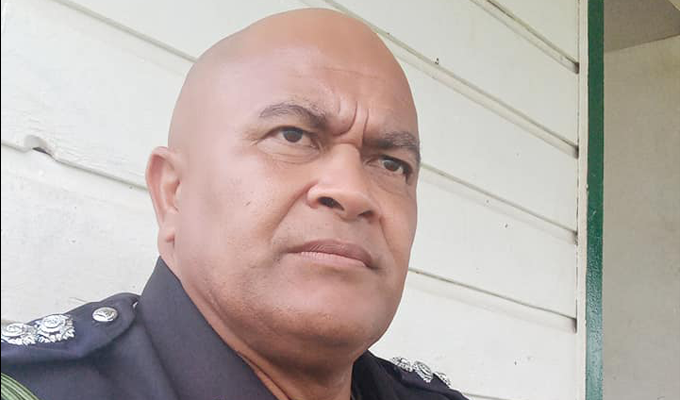
Prison Officer Kuata Tokolahi. Photo/Facebook
Kuata Tokolahi and Fetu’u Moala had been accused by the Department of leaking of confidential information to the media. They denied the allegations.
Tokolahi has confirmed the appeal to Kaniva News.
The news came after a Deputy Prisons Commissioner was stripped of his role as Officer-In-Charge.
The Deputy Commissioner was punished by a prison tribunal after he was found to have had a sexual affair with a female prison officer.
He pleaded guilty and resigned from his role as a steward.
As Kaniva News reported previously, the Department was inquiring into another case in which a female and a male prison officer were alleged to have been having an affair.
The Department previously said there were allegations that some prison officers had been involved in the theft of building materials. It did not say from where the materials had been stolen.
It appears that those involved in the alleged robbery are still working full time. The Prisons Department said this was because it needed to have concrete evidence before it could make a final decision on the matter.
Victorina Kioa has been appointed as Public Service Commission’s chief executive for four years.
Kioa has been acting in the role since October last year.
Victorina Laukaupo’uli Afeaki Kioa
“It is with great pleasure that we Congratulate Mrs. Kioa on her new appointment as CEO and wish her great success in her term in office”, a PSC statement read.
The former CEO Dr Lia Maka congratulated Kioa.
“The baton is now in your very capable hands and it is your time to shine CEO”.
Kioa joined the Office of the Public Service Commission in April 2019 as Deputy Secretary.
She looked after the Oversight Division, Workforce Development Division and Corporate Service Division.
Before joining the Office of the Public Service Commission, Kioa served in various managerial roles for over 15 years in the private sector here in Tonga and the United States.
“Her career started at the National Reserve Bank of Tonga in 1994. She was Administration Manager for the Pacific Finance Ltd group of Companies, Manager for the Tonga Business Enterprise Centre, Acting CEO for the Tonga Chamber of Commerce & Industries Inc., and served as a Board Director for the Tonga Red Cross Society”.
Kioa holds a Bachelor of Arts Degree from Victoria University of Wellington in New Zealand and a Master of Arts in International Human Resource Management from the University of Westminster, London, United Kingdom.
She is an Associate Member of the Chartered Institute of Personnel and Development (CIPD), London, UK since 2012.
Efforts to re-build Tonga’s roads are again the centre of scandal with the Minister for Infrastructure reacting furiously to questions from a local news service about the awarding of new contracts for the project.
Minister of Infrastructure Sevenitini Toumo’ua. Photo/Fale Alea ‘o Tonga
Editor of VPON Media and Broadcasting Sylvester Tonga wrote to Hon Sevenitini Toumo’ua this week asking whether he was guilty of nepotism for awarding new roading contracts to Luna’eva and two other companies for prices far above the previous contracts.
The contracts had been awarded by the previous government of Prime Minister Pohiva Tu’i’onetoa to City Engineering and Construction Ltd, Island Dredging Ltd and Inter-Pacific Ltd to supply the rocks at a cost of TP$70 per truck equal to 3.8 cubic metres. Tonga said the new contractors were charging TP$300 for a truck load of rocks, again, equal to 3.8 cubic metres.
He said the Minister was open to accusations of misusing his powers by agreeing to the deal with the companies without going through the government’s procurement committee. He alleged that hundreds of thousands of pa’anga had been paid based on the higher price.
It had been widely reported in the Tongan media that the court had ruled that the three original contractors had recently won a court case against the Hu’akavameiliku government for revoking their contracts.
However, it appears that despite the recent court decision, the Minister of Infrastructure apparently stood by his decision to award new contracts.
Tonga claimed the government might have to pay millions of pa’anga in compensation to the previous contractors.
“Why didn’t you return the supply of coral fill to the previous three companies?” he asked in his letter to the Minister.
“Why did you give the contracts to companies which cost the government an amount about four times bigger than the previous three companies?
“Are there grounds for you to resign?”
In his response to the questions from the VPON Media and Broadcasting editor, Hon. Toumo’ua said: “This news organisation is trying to steal justice from the country. And it looks like it is trying to threaten me. Don’t worry the truth cannot be hidden.”
Road scandal
As Kaniva News has previously reported, former Prime Minister Tu’i’onetoa’s multi-million pa’anga road project was mired in controversy from the start.
The Prime Minister was accused of practising nepotisms and breaching the Cabinet Manual’s conflict of interest rules. Hon. Tu’i’onetoa was accused of offering the contracts to companies which appeared to have been set up by friends and relatives of his Cabinet Ministers just to benefit from contracts.
Critics said none of them had provided roading services before.
Other companies, including Luna’eva and Five Star, had operated for years serving the country with roading project but the Tu’i’onetoa’s disregarded them, saying their costs were too expensive.
Much of the work was heavily criticised. Roads in Tongatapu and Vava’u which were repaired, renewed and constructed under the project were badly damaged. Critics said the damage was the result of unprofessional work, lack of upkeep and lack of serious purpose.
Last year Hon. Hu’akavameiliku was asked in Parliament to explain the repayment of the $18 million loan to fund what appeared to be a failed government roading project.
Lessons
Back in 2020 we had this to say about Prime Minister Tu’i’onetoa’s handling of the road contracts scandal: “Government is all about perception. That is a vital lesson that this government needs to learn. All of the guidance to MPs and public servants around the world that we have seen says that governments must be seen to be above reproach.”
It was a lesson that Hon. Tu’i’onetoa never seemed to learn, whether in his handling of the road scandal, the Lavulavus or his grand tour to promote fasting.
Now it appears that it is a lesson that Hon. Toumo’ua will have to learn for himself.
Stuart Nash has resigned as police minister, Prime Minister Chris Hipkins says.
Parliament is urgently debating the matter, with opposition parties are urging the removal of Nash’s other roles.
It comes after the opposition demanded Nash resign after criticising a judge’s decision and revealing he phoned the police commissioner to discuss whether it would be appealed.
Nash was not police minister at the time of the conversation, but the government is expected to remain independent from judicial and police prosecutorial decisions.
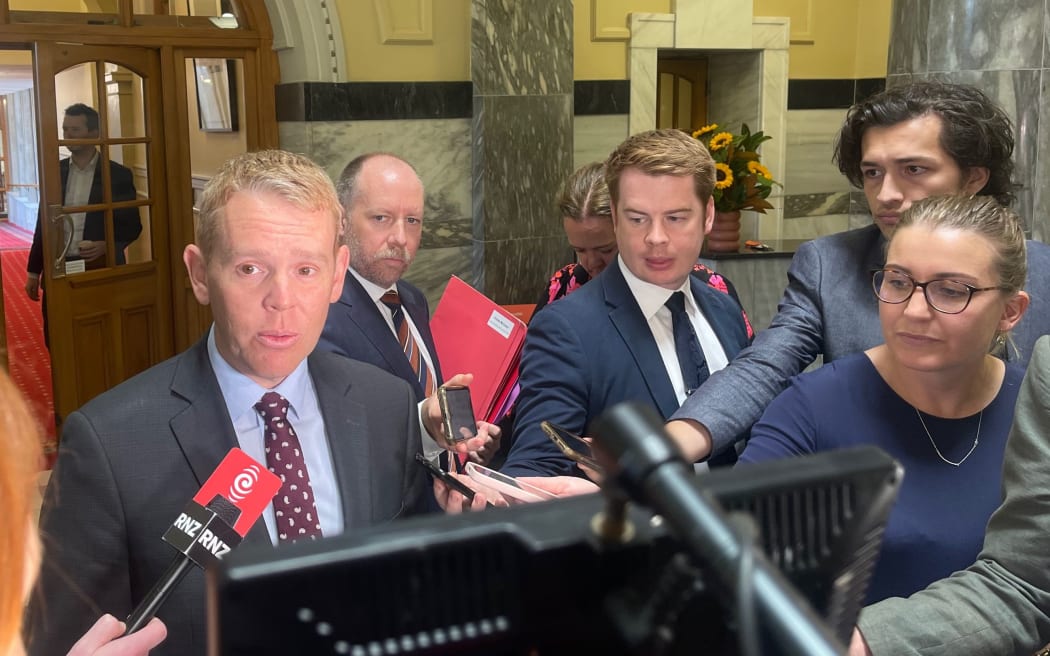
Heading into the debating chamber on Wednesday, Hipkins said Nash’s comments and actions were inappropriate and he’d accepted his resignation as soon as it was offered in a “relatively brief” conversation.
Prime Minister Chris Hipkins announces to media Stuart Nash is stepping down from his role as police minister. Photo: RNZ / Katie Scotcher
“It is my view that Stuart Nash’s action in contacting the commissioner in relation to a possible appeal was unwise. It is also my view that his comments both at the time on the judiciary and subsequently in defending his actions, are inappropriate and represent an error of judgement.
“The Cabinet Manual sets out an expectation that ministers exercise a professional approach and good judgement in their interactions with the public and officials and in all their communications personal and professional. Stuart Nash’s comments on this occasion did not meet these standards.
“The manual also sets out that ministers should not comment on or involve themselves in the results of particular cases. Again the minister Nash’s actions do not meet this expectation.
“Stuart Nash has reflected on his actions and has tendered his resignation in the police portfolio. As such I have accepted that resignation effective immediately and I have advised the governor-general to accept it which she has done.”
Hipkins said he would have removed Nash from the role had his resignation not been offered. However, he would remain in his other roles as Forestry, Oceans and Fisheries, and Economic Development Minister.
“He’s demonstrated an error of judgement here, a serious error of judgement – and he’s certainly paid a consequence for that in the fact that he’s no longer minister of police.”
He said Nash had cleared up some further details about the circumstances.
“The phone call took place in 2021 when he was not the minister of police. Minister Nash has assured me that he has no connection to the case in question, or any of the individuals involved.
“He’s also assured me that this is the only occasion that a conversation of this nature has occurred with the police commissioner.”
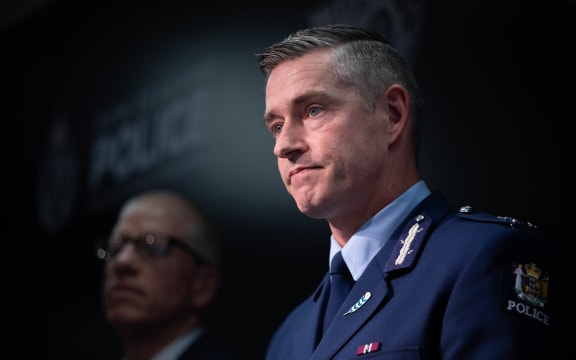
Andrew Coster Photo: RNZ / Angus Dreaver
He said the Police Commissioner had been contacted about the matter through the Cabinet Office.
“The feedback … I did not get involved in these conversations, I think better that they’re handled at an apolitical level – was that Minister Nash’s representations had no bearing on the commissioner’s decisions or the police’s decisions in this case.”
Police Commissioner Andrew Coster said this evening he did not act on Nash’s phone call over the appeal.
In a statement, Coster said he regarded Nash’s comments as a venting of frustration and nothing more.
He said the police’s independence was the single most important privilege it had, and it was guarded fiercely.
“This is a point I emphasise very clearly with ministers,” Coster said, adding that he did not take any action following the phone call.
National, ACT urge Nash’s removal from Cabinet
Acting National Party leader Nicola Willis said Nash had made a serious error of judgement, and he should no longer be a Cabinet minister at all.
“I think the error of judgement was just so grave that this is an issue where he should resign from the Cabinet entirely.”
He had done the right thing in stepping down, she said.
“That was the right thing to do, the question we now have to ask is why he appointed to the role in the first place and how these errors of judgement occurred.
“He has not only made a serious error, he has doubled down, he has shown contempt for one of the basic tenets of our democracy which is that ministers don’t tell the police what to do.
“The fact that he as both a former and current police minister has missed that shows a serious error of judgement, he is not fit to be the minister.
“Very clearly has breached the Cabinet Manual and has also breached the principle in the Police Act the commissioner of police acts independently of ministers of the Crown.”
Nash had initially defended his actions this morning, saying he was not interfering. Willis disagreed.
“Clearly he was, the fact that he’s resigned is an admission of that.”
ACT leader David Seymour agreed Nash was not fit to be a minister at all.
“I think the fact he doesn’t get it is actually worse than the fact he did it. We all make mistakes, he could’ve apologised, maybe that would be acceptable.
“I mean it’s the total lack of understanding … interfering with police is one of the most serious things that a politician can do, that’s why the Cabinet Manual and the Police Act say don’t do it.
He said Hipkins should be less concerned about people “paying a price like a naughty schoolkid, but instead ensuring all ministers are competent and have high integrity”.
“Nash has shown he fits neither description … he interfered, he boasted about it, and then he doubled down on it. That’s three strikes and Stuart Nash should be out.
“Stripping him of just his Police portfolio doesn’t do justice to what a serious breach this is.”
National’s Police Spokesperson Mark Mitchell also said it was Nash’s lack of contrition that led to his removal.
“Until he doubled down on it, I thought that if he came out, if he apologised, if he acknowledged and said ‘hey I got that completely wrong’ then there might’ve been a chance,” he said.
He said it didn’t matter that Nash did not hold the police portfolio at the time of the conversation.
“He’s still a member of the executive, he’s still a Cabinet minister – so in my mind no it doesn’t.”
Hipkins suggested Nash’s removal as police was punishment enough, however.
“In this particular case I think the independence of the police in making prosecutorial decisions is one that we have to safeguard very clearly and also the independence of the courts.
“Those in my view mean that he should not continue as minister of police – I believe that that is a proportionate response to the error of judgement that Stuart has shown.”
Police portfolio handed to Woods
Hipkins announcement confirmed Megan Woods would take over the portfolio in an acting capacity, until he appointed someone permanently.
Woods said she had made no big changes as yet.
“I’ve had the job for an hour. I haven’t put in place any great plans or strategies, but look, I’m doing the job today, the prime minister’s asked me to pick that up, more than happy to do what he’s asked me to do.”
Asked if she would want to retain the portfolio until the election, she said that was “absolutely the realm of the prime minister”.
It was put to her whether she’d ever phoned the police commissioner to ask about a specific case, she said: “not in the last hour”.
Attorney-General’s reprimand
Attorney-General David Parker said he had a conversation with Nash about his statements this morning.
“I thought he was wrong and I have told him that,” he said. “He accepted that … I saw him in person.”
He did not think Nash’s actions had threatened judicial independence in any meaningful way “because he’s suffered the consequences of media scrutiny and my comments”.
“It’s important the attorney-general sticks up for the judiciary, they’ve got a difficult job to do, they do it independently of the government. The separation of powers is enshrined in the Cabinet Manual.”
The Prime Minister’s Office on Wednesday afternoon said Nash would be making no further comments today.
A Tongan man in Abbotsford, Canada who watched child pornography while high on crystal meth then accessed similar material while working as a caregiver to a disabled woman in North Vancouver has been sent to jail for a year.
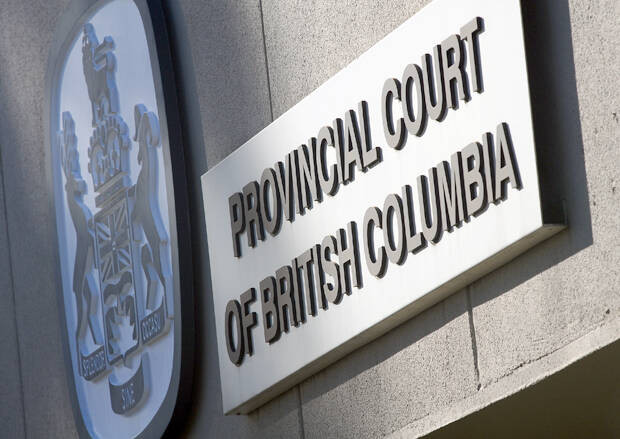
Maka-I-Moana Eugene Mumui Halafihi, 30, was sentenced Feb. 22 in North Vancouver provincial court after pleading guilty to two charges of possessing child pornography.
In handing down his sentence, Judge Joseph Galati outlined how on April 20, 2020, Halafihi arranged to meet another man he’d met online for the purpose of using crystal methamphetamine and watching pornography together while taking part in sexual activities.
During their encounter, Halafihi accessed 20 to 30 digital file folders on his computer, each containing a number of short videos. The videos all involved adult men having sex with children who appeared to be seven years old or younger, according to an agreed statement of facts.
When he saw the videos, the other man became uncomfortable and asked Halafihi to leave. He subsequently called the police, who went to Halafihi’s home on May 28, 2020, and seized his computer.
Police found more than 100 videos on the computer that met the definition of child pornography, according to an agreed statement of facts.
Most of the children shown were boys and some appeared as young as three years old, according to the judge, who added, “there were multiple videos of boys who appeared to be under the age of eight years old performing sexual acts.”
While still under investigation for that incident, on Sept. 6, 2020, while at work in North Vancouver as a caregiver to a disabled woman, Halafihi downloaded video files containing child pornography to his cell phone. The transmission was reported to authorities and another investigation followed. Halafihi was arrested on Dec. 3, 2020, and his cell phone was seized.
An examination of the phone showed two longer videos and a number of still images depicting children between six and 13 years old involved in sexual acts.
Halafihi’s defence lawyer described how he struggled with various challenges growing up after being sexually touched by an older male relative when he was seven and starting to watch pornography when he was 12.
Halafihi started using crystal meth in 2017, at first just on weekends. But from 2019 to 2021, he was using the drug daily, according to information presented in court.
Halafihi doesn’t have a prior criminal record, but acknowledged being warned by police in 2015 not to communicate online with teens under the age of consent, the judge noted.
Halafihi told the judge he doesn’t access child porn except while high on crystal meth.
Halafihi’s defence lawyer David Karp asked for an 18-month conditional sentence order, while Crown prosecutor Lara Sarbit requested one year in jail.
In handing down the jail term, the judge pointed to the young age of the children depicted as an aggravating factor in the case. The judge noted Halafihi also downloaded the second batch of child pornography when he knew he was under investigation for the first incident.
The judge also placed Halafihi on three years’ probation, during which he must stay away from parks, schools and recreation centres where children 16 and under are likely to be present, and not have any contact with children under 16 unless approved by a probation officer. Halafihi is also banned from using drugs, except with a prescription, and from accessing pornography. He will also be placed on the sexual offender registry for 20 years.
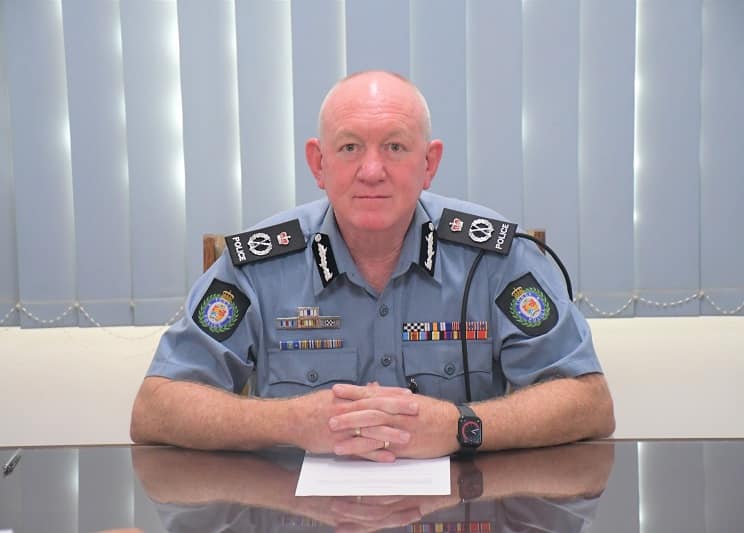
The alleged chase of a Ngele’ia girl by a man has proven to be false, with police ceasing their investigation into the 13-year-old’s claim.
Police were told a man had chased the student while she was on her way to the Ngele’ia Primary school on Tuesday morning February 28.
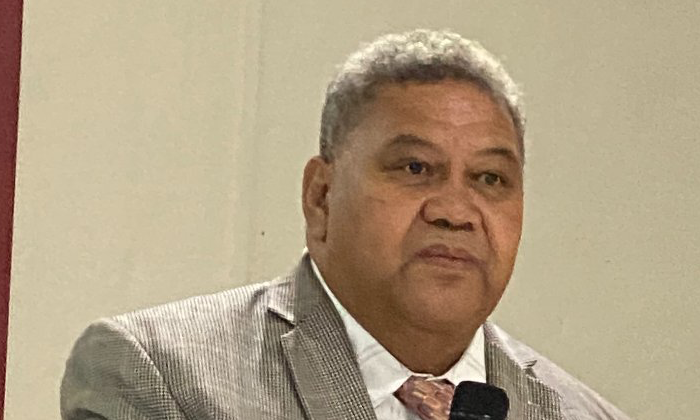
Police Commissioner Shane McLennan
“After conducting house-to-house inquiries and follow-up interviews with the young girl, her family and school authorities, it was revealed that the complaint was false”, Police Commissioner Shane McLennan said.
Mr McLennan said the young girl was deeply remorseful for what she had put everyone through.
“That morning, among other personal and family issues, she was particularly anxious about being late to school and it did not help that she had to walk, rather than being dropped off.
“Nevertheless, Police will continue to work together with her family and the relevant school authority to reassure the young girl of her safety and welfare, to avoid further problems.
“This incident, though false, is an opportune time to remind teachers, parents, and guardians, of their crucial responsibility once again with respect to the safety and wellbeing of our young children. We urge them to continue to monitor and report to Police as soon as possible, anything suspicious that would likely place our children’s lives and safety at risk. In this regard, we wish to acknowledge the school authority in this matter who made a timely referral to the Police.
Commissioner Shane McLennan also said: “Tonga Police would rather receive early advice of a suspected complaint or suspicious behaviour, even if it later turns out to be false or misleading. Our job is to protect the public, especially our most vulnerable citizens like our children, and I’d rather our resources be called upon early, than have members of the public wait until they are more certain of the circumstances; by then, crucial evidence may be lost.”
“We are grateful to the young girl involved in this incident, for having the courage to speak up and tell the truth. Life is a journey of ups and downs, and we can always learn from our mistakes.”
Tonga Police again provides the following safety measures proposed for schools and parents to always keep in mind:
1. Remind children NOT TO TALK TO STRANGERS and not to accept anything offered by anyone other than their parents, family members, or teacher.
2. Pick up your child on time and share a list of those that can pick up your child with the school.
3. Parents should provide lunches to prevent children from leaving the school compound.
4. School gates to be locked during school hours.
5. Have a designated location, that can be easily monitored, for drop off and pick up.
6. A teacher should accompany students while waiting for pick-up at the end of school.
7. Monitor the child and take note of any sudden change in their behaviour and take time to find out why. Any out-of-character behaviour should not be ignored.
8. Alert Police should you or the child feel unsafe.
If you have any information to share with Police in relation to this issue, please contact us on 922 or 740-1625.