Former Minister of Finance and MP Dr ‘Aisake Eke failed to tell the truth in court when he gave evidence at the trial of the convicted Minister of Infrastructure Akosita Lavulavu and her convicted husband ‘Etuate Lavulavu, a Supreme Court judge said.
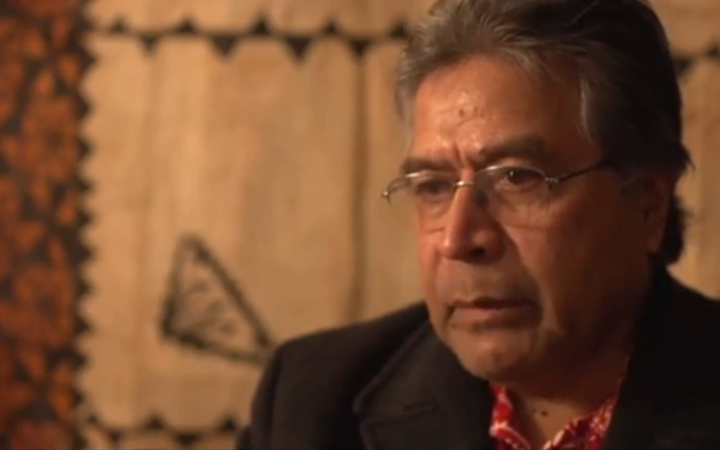
Dr ‘Aisake Eke (L), ‘Etuate Lavulavu
The couple, who swindled the government’s school grant out of more than $500,000 left the judge in no doubt that instead of using the funds to support their Unuaki ‘O Tonga Royal Institute (YTRI) and the teachers, the Lavulavu “used the monies freely for themselves”.
Dr Eke made claims in court in which the judge referred to them in his judgement as the former and the latter.
He said the “Cabinet Decision 1182 dated 22 December 2009 70 , effectively were the rules for processing of TVET grants for Tongan schools”.
Dr Eke claimed he “knew of under payments and over payments” but “do not know any institutions prosecuted for overpayments”.
“Heard from some service providers there was real financial hardship”.
“If the roll calls higher, then lower and deduct for the 2nd Semester.
“2016 came across Government document calling for the improvement of subsidies but this manual was not approved.
“No guidance manual approved in his time, just the Cabinet Decision 1182
“When the audit came annually, they should follow 1182. Audit is to check the reality, by talking with the other parties.
“Supposed to audit then release money, but they were very busy. An assumption they did it annually. Problem was lack of coordination”.
Dr Eke also claimed that non government schools were allowed to set their own fee system and that it was acceptable to write a cash receipt because of the value of the bartered item tendered.
When he was under cross-examination by the prosecutor, “he claimed that for example in a receipt book had a student brought a pig by way of payment then recording a sum of money received was a legitimate as it expressed its value, despite and contrary to the proforma words on the receipt. He could not recall if UTRI was one of those colleges facing hardship”.
Not desirous of telling the truth
Mr Cooper said: “Dr. Eke provided no proof as to the former claim and when he made the latter, all his credibility was gone, it then being so obvious he was not desirous of telling the truth”.
Parts of his claims were made after the court was told the grant was used to reimburse ‘Etuate.
The judge rejected this and said “the grant had clearly defined specific purposes and only those uses : 50% to supplement teachers’ salaries, the rest to improve teaching and minor renovations, never was it to be a reimbursement system”.
Mr Cooper described the Lavulavus’ conduct as “disgraceful” and “goes beyond just criminally reprehensible”
“ This is an example of the worst sort of dishonesty; people who should be working earnestly for constituents but use their position, connections and influence to steal from a fund for the education of children of this Kingdom and then in front of me in court, twist the evidence and lean on witnesses to try extricate themselves”.
The court case had been dubbed the trial of the century.
The fact that it involved two high profile political figures, ‘Etuate’s no stranger to controversy and court, and that the Prime Minister’s repeatedly demonstrated inclination to take no action against Akosita, the conviction has sparked public outrage.
Public outrage
Prime Minister Pōhiva Tu’i’onetoa is being heavily criticized after he repeatedly refused to take immediate action against Akosita. He told Kaniva News last week Akosita will remain in office until an appeal leave is expected after July 2. It will take another 42 days to process that appeal application.
The prime minister has been urged to use his common sense and stop mixing religion and politics as an excuse to do nothing.
Tu’i’onetoa has been slammed as cynical and irresponsible after he appears to support Akosita and failing to show empathy and sensitivity to the taxpayers and overseas donors such as New Zealand and Australia which funded the school grants which have been defrauded by the Lavulavus.
The Prime Minister now is facing another backlash after it has been reported that Akosita was still receiving her full pay from the government since the first day she was in court facing her fraud charges.
Tu’i’onetoa maintained his decision was fair to allow Akosita to go through the court’s due process and if the appeal court upholds the Supreme Court’s decision than he will make his final decision.
But critics lashed out with many saying he was indecisive after previously defending Akosita by hiding behind the principle of innocent until found guilty. When Akosita was convicted he said the constitution clause 23 gave her another chance until her appeal is complete.
A man has been charged with manslaughter this morning over the death of MMA fighter Liufau Vake in Auckland last month.
He was one of the four men who appeared in Auckland District Court today charged in relation to the fatal incident on Symonds St in the early hours of Sunday, May 16.
It is alleged Vake fell after being hit from behind while he was heading home after a night out in the CBD.
The identifies of the four men will stay secret until June 23 and their cases have been transferred to the High Court.
As we reported previously, one of the men was charged with common assault, another with two counts of assaulting with intent to injure, another charged with wounding with intent and injuring with intent, and another is also charged with common assault.
Three of the men are aged 29. The fourth is a 32-year-old.
Vake’s last fought before he died was in late April. It was part of the Undisputed Fight Series event in Wairarapa, where he won by TKO in the first round in the card’s main event.
He had a 2-0-0 win-loss-draw record as a middleweight MMA fighter.
His death has been described as a great loss to the mixed martial art community as Vake had been seen as a promising and rising start fighter.
Convicted Cabinet Minister and MP Akosita Lavulavu was expected to receive an estimated amount of TOP$30,000 when she was out of office to attend her fraud trial and while deciding whether to seek leave to appeal her Supreme Court conviction in more than two month’s time.
This money from the government’s coffers cannot be paid back to the Ministry of Finance even if Akosita’s seeking leave to appeal is dismissed, a source who was familiar with the government’s salaries said.
It is believed Akosita has been paid more than TP$7500 by the government as her normal salary. The money was meant for her to stay in her office and perform her ministerial duties or to represent Vava’u 16 in Parliament.
She is expected to remain in office until July 2 when the Supreme Court is expected to lay down her sentencing. This means that in another 28-day period, Akosita is expected to receive payments of about $5000 in total.
After her sentencing it is anticipated that she will stay in her government office for another 42 days, during which time she is expected to apply for permission to appeal against her Supreme Court conviction. This means she is expected to receive another total of TP$7500 payment for this period.
If she lodges an appeal, it could take another 42 days or longer before she faces the Appeal Court. This meant she is expected to receive another payment of about TP$7500 for that period.
Our source said Akosita’s Cabinet and parliamentary salary was around TP$1250 a week on top of her other allowances and entitlements.
Bail conditions
As we reported previously, the Lavulavu couple have been released on bail after their conviction.
The conditions of the bail included requiring the couple to report into the central police station every Monday, Wednesday and Friday and they are prohibited from leaving the mainland Tongatapu .
Akosita and her husband, ousted former Cabinet Minister and MP ‘Etuate Lavulavu, were both found guilty for obtaining TOP$558,600 by false pretences.
The conviction included three counts of knowingly dealing with forged documents.
Public outrage
Prime Minister Pōhiva Tu’i’onetoa is being heavily criticized after he repeatedly refused to take immediate action against Akosita. He told Kaniva News last week Akosita will remain in office until an appeal application is expected after July 2. It will take another 42 days to process that appeal application.
There were calls for the prime minister to use his common sense and stand her down to keep the good reputation of the government and the king’s dignity.
The prime minister has been slammed for using the Holy Bible and clause 23 of the constitution to defend his controversial decision to keep Akosita in office while at the same time the constitution clause 51 has given him a prerogative power to force her to resign.
The Prime Minister now is facing another backlash after it was clear Akosita was still receiving her full pay from the government since the first day she was in court to face her fraud charges.
Tu’i’onetoa maintained his decision was fair to allow Akosita to go through the court’s due process and if the appeal court upholds the Supreme Court’s decision than he will make his final decision.
But critics lashed out with many saying he was two-faced and he appears to have changed his stance against the Lavulavu saga from time to time.
Tu’i’onetoa previously defended Akosita by hiding behind the principle of innocent until found guilty. When Akosita was convicted he said the constitution clause 23 gave her another chance until her appeal is complete.
Cabinet Minister ‘Akosita Lavulavu and her husband, ousted former Cabinet Minister and MP ‘Etuate Lavulavu, were both found guilty on Friday for obtaining TOP$558,600 by false pretences.
The charges included three counts of knowingly dealing with forged documents.
They are set to be sentenced on July 2.
It’s currently unclear how much time the couple will spend behind bars.
Obtaining an advantage by false pretences carries a maximum penalty of five years’ jail while forgery carries a maximum imprisonment of seven years.
Knowingly dealing with forged documents carries a maximum penalty of five years.
The presiding judge, Nicholas Cooper, has wide discretion in how he imposes the sentences. It’s unclear whether the sentences will be imposed consecutively or concurrently — or whether Akosita’s status as a first-time offender will result in a shorter sentence.
‘Etuate was no stranger to court and he could be given the maximum allowable sentences. The Supreme Court convicted him of bribery and spending over the legal limit on his 2014 election campaign.
The conviction cost him his Parliamentary seat for Vava’u No. 16.
In his summary of the case, Lord Chief Justice Paulsen said Lavulavu was not a credible witness and that his evidence was implausible, evasive and untruthful.
Furious backlash
Prime Minister Pohiva Tu’i’onetoa provoked a furious backlash from the public for refusing to sack Akosita.
Tu’i’onetoa has used the constitution’s clause 23 to defend his failure to take immediate action against Akosita because she has appealed her conviction, a move which will take a 42-day process.
But critics called on him to use his exclusive power given by clause 51 to sack her.
‘Akosita previously told Kaniva News he would not step down citing the principle of everyone is innocent until found guilty.
FAKAMATALA FAKATONGA
‘Oku ‘ikai mahino pe ko e hā e lōloa e ta’u ‘e ngāue pōpula ai ‘a e ongo Lavulavu’ tukukehe ka ‘i ai ha tautea toloi. Ko e hia kuo na halaia ki ai ‘oku tautea ngāue pōpula kotoa ia. Ko e ma’u e pa’anga ‘i he founga kākaa’ ‘oku ngāue pōpula ‘ikai toe laka hake he ta’u ‘e nima. Ko e tautea lahi taha ki hano liliu kākaa’i ha fakamatala ko e ngāue pōpula ‘ikai toe laka hake he ta’u ‘e fitu. ‘Oku ‘atā e mafai ‘o e fakamaau lahi Nicholas Cooper ki he anga ‘ene fili ki he lahi ‘o e tautea ke hilifaki’. ‘A ia ‘oku ‘ikai mahino pe te ne tautea ke na ngāue’i taimi kehekehe’i ‘a e ngaahi hia kuo fai ai ‘a e halaia’ pe te ne hilifaki ke ngāue’i fakataha’i pe ‘i ha fo’i taimi pau. Pea ‘e malava foki ke fakasi’isi’i ha tautea ‘o Akosita he ko ‘ene toki halaia ‘eni ‘i he fakamaau’anga’. Ko ‘Etuate kuo pāte’i ia ‘i he fakamaau’anga’ kau ai ‘ene halaia ‘i he ta’u 2014 he’ene totongi fakafufū pea iku mole ai hono sea ‘i Fale Alea’. Pea ‘i hono tu’unga ko ia’ ‘e malava na’a fusi a’u ‘e he fakamāu’ hono tautea’. Kaekehe, kuo fakahā mai kuo fakahū atu e tangi ‘a e ongo me’a’ ni.
Samoa Prime Minister elect has approved the resignation of her Minister elect for the Environment and Tourism, Toeolesulusulu Cedric Schuster after he was charged with drink driving offence on Tuesday last week.
The Prime Minister elect Fiamē Naomi Mata’afa announced that she has accepted Toeolesulusulu’s decision that was prompted by his respect for the rule of law and the protection of the integrity of the office, a press release said.
Fiamē said she respects Toeolesulusulu’s decision and based on the principle that the accused is innocent until proven guilty, he remains a Member of Parliament and that the member has the Party’s full support as he follows the process to clear his good name in the court of law.
Meanwhile, Tonga Prime Minister Pōhiva Tu’i’onetoa has come under fire after he announced he will not dismiss his convicted fraudster Infrastructure Minister Akosita Lavulavu and his convicted Ha’apai Governor Viliami Manuopangai Hingano.
The Supreme Court has found Akosita and her ousted husband former Cabinet Minister and MP Etuate Lavulavu guilty of defrauding $558,00 of government school funding grants.
‘Etuate, 62, and Akosita, 36, were charged with knowingly dealing with forged documents and obtaining credit by false pretenses, after irregularities in an audit of the ‘Unuaki ‘o Tonga Royal Institute in 2016. Akosita was the director of the school while ‘Etuate was the president.
The couple are set to be sentenced on July 2.
Tu’i’onetoa told media yesterday that Akosita would stay in office until the 42-day appeal process was complete.
Tu’ionetoa again used the controversial Clause 23 of the constitution to defend his refusal to take immediate action against Akosita.
The Prime Minister told Kaniva News and other media in an e-mail that Clause 23 was re-enacted in 2013 and signed by the king to protect the right of the individuals, government clerks and senior officers who were accused and taken to court.
It was the same pathetic excuse he used to defend his refusal to take immediate action against the governor.
Tu’i’onetoa failed to mention that clause 51 of the constitution has given him an exclusive power to sack a Cabinet Minister at his pleasure whether they were innocent, convicted or at the centre of an allegation.
In convicting the governor last month after he was arrested and charged with unlawful possession of 198 kg of turtle meat , the Supreme Court judge said:
“Having heard the accused‘s background, he being a director in the Ministry of Public Enterprises, and he had been a member of Parliament representing District 12 of Ha’apai which included Lofanga, and having grown up and living in Ha’apai, I do not believe his evidence that he did not know that an approval was required before a turtle was killed”.
OPINION: The Prime Minister’s media release this evening, Saturday 5 in response to his Minister of Infrastructure’s guilty verdict appears to show he deeply felt for Akosita after she was found guilty, but did not say anything about the taxpayers and overseas donors such as New Zealand and Australia which funded the school grants which have been defrauded by the Lavulavus.
In our opinion article on Thursday we said we believed the Prime Minister had used the Constitution to defend his failure to take action against the Governor of Ha’apai after he was found guilty of unlawful possession of turtle meat.
In his handling of Akosita’s case we believe the Prime Minister has made the same mistake and used the same misguided reasoning as he did over the Ha’apai governor.
Two separate clauses
We believe there are two clauses in the Constitution that deal with appointments and dismissal of government representatives. They are Clauses 23 and 51.
Clause 23 is the power given to the judiciary while the clause 51 gives the Prime Minister and the government another power.
Clause 23 says: “No person having been convicted of a criminal offence and sentenced to imprisonment for more than two years, shall hold any office under the Government whether of emolument or honour nor shall he be qualified to vote for nor to be elected a representative of the Legislative Assembly unless he has received from the King a pardon together with a declaration that he is freed from the disabilities to which he would otherwise be subject under the provisions of this clause: Provided that the operation of this clause shall be suspended in any case until the expiration of 42 days after the date of the conviction; and in cases where notice of appeal or leave to appeal is given within 42 days after the date of conviction, until the determination of the appeal; and if the conviction is quashed on appeal or the sentence reduced to no more than two years imprisonment then this clause shall not have effect.”
Clause 51 says: “A Minister shall retain his position as Minister until – (a) his appointment is revoked by the King on the recommendation of the Prime Minister or in accordance with clause 50B.”
PM’s exclusive power
Clause 23 appears to have restricted the power of the judiciary to only those who are convicted and imprisoned for more than two years. Such people are not allowed to hold any government office unless they are pardoned by the king. It also restricted to convicts who appeal their conviction.
Clause 51 is called a prerogative or special power given to the Prime Minister over his Cabinet Ministers and there is no limit there for how significant or insignificant the crime, accusation or allegation involved. It appears this exclusive power given to the Prime Minister allows him to sack a Cabinet Minister at his pleasure whether they were innocent, convicted or at the centre of an allegation.
We believe these two separate constitutional powers were reasonable, but have various roles which needed to be clarified.
Various roles
We believe the provisions of Clause 51 gives the Prime Minister the right to use his conscience and action immediately to make sure the government offices are untarnished by serious allegations, controversy and distraction. It is a disciplinary power which relies on the Prime Minister’s principles and morals.
If it was not for this clause, the only options could be Clause 23 and we can imagine the anguish the kingdom could be in if it takes another 42 days for an appeal to be made. If the appeal is accepted it may take another months before a final decision is made. When that decision comes, the damage to the reputation of the government and the country may be very great.
In our opinion, it is important to understand that if the prime minister has sacked Akosita while she was awaiting his appeal that should not be regarded as a punishment for her guilty verdict. That is a matter for the Supreme Court to decide on July 2. Her dismissal by the prime minister should be seen only as an attempt by the government to stop further distraction from the public because of her continuation in the office. That is the normal practice in New Zealand and other democracies as well as in Tonga.
Suspended sentence
We also need to consider what might happen if the Supreme Court sentences Akosita to a two-year suspended sentence because she is a first time offender. According to the Constitution she would still have the right to stay in Cabinet. Given the Prime Minister’s repeatedly demonstrated inclination to take no action against Akosita Lavulavu, it seems likely he would keep her in Cabinet.
This would raise serious questions among Tonga’s citizens about the morality of having a convicted fraudster in such a position of power.
There seems little doubt that many people want the Prime Minister to remove Akosita from office immediately using his powers under Clause 51, rather than using Clause 23 as an excuse to do nothing.
Kaniva News believes the Prime Minister should force Akosita to resign for the good of the government and Tonga.
FAKAMATALA FAKATONGA NOUNOU
Kuo fakahā ‘e he palēmia’ ‘e kei hoko atu pe ‘a Akosita Lavulavu ‘i hono lakanga minisitaa’ ‘oua leva ke ‘osi ‘ene tangi ‘i ha ‘aho ‘e 42. Ko e faka’uhinga ‘a e PM ‘oku fai mei he kupu 23 pea ‘i he ‘aho’ ni kuo tuku mai ‘ene tali ‘o kau ai ‘a ‘ene akonaki faka-Tohi Tapu ko e konga ‘ene taukapo ma’a Akosita. ‘I he vakai ‘a e Kaniva’ ‘oku hā mai ‘oku ‘i ai ‘a e matavaiavai lahi he faka’uhinga ‘a e palēmia’ ki he kupu 23 ‘o e konisitūtone’ pea ngali ko ‘ene fai pe ke fakatonuhia’i’aki ‘ene ta’efiefai ha me’a kia Akosita’. ‘I he kupu 51 ‘o e konisitūtone ‘oku’ foaki ai ‘a e mafai ta’etoe’ekea ki he palēmia’ ke ne tuku ki tu’a ha’ane minisitā ‘o fakatatau pe ia ki he anga hono loto’ ‘ikai toe fiema’u ke ‘ai ‘uhinga atu ha minisita pe fakafepaki ki he’ene tu’utu’uni. Pea oku hā mai ngali ko e mafai he kupu 51 oku ‘ikai toe fiema’u ia ke tatali ki ha tangi pe hopo pe ha toe faka’uhinga. ‘Ikai ‘aupito. Ko ‘ene pehē pe ‘e he palēmia’ ke ‘i tu’a ha minisita ko e ‘i tu’a ia ‘a e minisitā ko ia’. Tonu foki ke mahino ‘i he anga e tui’ ‘oku ‘ikai ko hano tuli ‘e he palēmia ia ‘a Akosita, ‘o kapau te ne tuli, ko hano tautea’i tokua ia ‘ene hia kuo halaia ki ai ‘i he fakamaau’anga lahi ki hono ma’u kākaa’i e pa’anga vaeua miliona mei he pule’anga’. ‘Ikai ‘aupito ‘e toki tala tu’utu’uni ‘a e Fakamaau’anga Lahi ia ki ai ‘i Siulai ‘aho 2. Ko e ‘uhinga ki hono tuli ia ‘e he palemia’ ‘e kau ai ‘a e ‘uhinga he ‘oku ‘ikai fiema’u ke valau pe fakatupu hoha’asi ‘e hono ngaahi tukuaki’i mamafa faufau kuo fai’ ‘a e kakai pea uesia ai mo e pule’anga’. ‘Oku mahino lelei ‘a e ‘uhinga ko ‘eni ‘i hono ‘ai ‘i Nu’u Sila’ pea na’e ‘osi hoko ‘i Tonga ‘o tuku ki tu’a ‘a e kau minisita pea toe fakafoki pe ia ki loto. I he anga e fakakaukau’ ‘oku kehe ‘a e kupu 23 ia pea ko e mafai fakangatangata pe ia ‘o e fakamaau’anga’ ki ha taha kuo ngāue pōpula laka hake he ta’u ‘e ua’ pea toe tangi. ‘Oku ‘ikai ha kākunga ia ‘a e kupu 23 ki he mafai makehe ‘o e palemia he kupu 51 ko e ongo mafai kehekehe pe ia ‘e ua pea ‘oku na tau’ataina pe ‘ikai fepaki pe tukulolo ē ki hē. Ko e fehu’i – ko e hā kuo ala ai e palēmia’ ki he mafai ‘o e fakamaau’anga’ he kupu 23 ‘oku ‘ikai ko hano mafai ia kae ‘ikai ke ne ngāue’aki e kupu 51 ko hono mafai totonu ia ‘o’ona ke ngāue’aki’. Kuo lea lahi atu e kakai he me’a ni mo ui kiate ia ke tuku ‘a Akosita ki tu’a ngaue’aki hono mafai he kupu 51 ka ‘oku ‘asi mai ‘oku fakasiosio kehe pe ia. ‘I he’ene pehee’ ‘oku lava ke tau aofangatuku ko e faka’uhinga ‘a e palēmia’ mo hono kei fakalaloa’i holo ‘o Akosita’ ‘oku ‘ikai fai ia ki he ‘uhinga lelei mo e ngaahi pilinisipolo fakamōlale’ ‘a ē ‘oku taau ka ‘oku fai pe ki he’ene lele’ia pea mo malu’i e ki’i kakai tokosi’i mo’ui ta’efaitotonu ‘oku nau poupou’i ia mo ‘ene ngaahi taumu’a fakapolitikale’ mo fakatokosi’i.
Prime Minister Pōhiva Tu’i’onetoa told media this evening that convicted fraudster and Cabinet Minister Akosita Lavulavu would stay in office until the 42-day appeal process was complete.
PM Pōhiva Tu’i’onetoa, ‘Etuate Lavulavu and MP ‘Akosita Lavulavu
Akosita and her husband, ousted former MP and Cabinet Minister ‘Etuate Lavulavu, are set to be sentenced on July 2.
Tu’ionetoa again used the controversial Clause 23 of the constitution to defend his refusal to take immediate action against Akosita.
The Prime Minister told Kaniva News and other media in an e-mail that Clause 23 was re-enacted in 2013 and signed by the king to protect the right of the individuals, government clerks and senior officers who were accused and taken to court.
Final decision
Prime Minister Tu’i’onetoa said he would make a final decision after the appeal was completed, but he did not say what decision he would make.
He was emotional and asked the media to help him.
“It is not an easy task to make decision in judging another person because it is only a decision made by a human being who is also a sinner, its experience, wisdom and power given by God is incomplete,” Hon. Tu’i’onetoa said in Tongan.
“The decision maker is the same as the accused as they are both sinners. Only Jesus Christ is the righteous and can fulfill everything.”
Innocent until found guilty
When Akosita first appeared in court we asked Tu’i’onetoa whether he would force her to resign after a call by the opposition party. His response was that she was innocent until found guilty in court. Now Akosita has been found guilty and he said Clause 23 gave her the right to further remain in office until her appeal is completed.
He pleaded with the media to use his statement to enlighten the public and let the judiciary which is the third pillar of the country rule.
He said Tonga had its own constitution, law and democracy which was different from other countries who had complete democracies. He said he believed what he was talking about was in line with what the king wanted about the constitution. The king recently reprimanded Parliament and the Tu’i’onetoa government, saying they should learn from other countries’ democracies.
Editors’ note:
The Prime Minister’s media release appears to show he deeply felt for Akosita after she was found guilty, but did not say anything about the taxpayers and overseas donors such as New Zealand and Australia which funded the school grants which have been defrauded by the Lavulavus.
In our opinion article on Thursday we said we believed the Prime Minister had used the Constitution to defend his failure to take action against the Governor of Ha’apai after he was found guilty of unlawful possession of turtle meat.
In his handling of Akosita’s case we believe the Prime Minister has made the same mistake and used the same misguided reasoning as he did over the Ha’apai governor.
Two separate clauses
We believe there are two clauses in the Constitution that deal with appointments and dismissal of government representatives. They are Clauses 23 and 51.
Clause 23 is the power given to the judiciary while the clause 51 gives the Prime Minister and the government another power.
Clause 23 says: “No person having been convicted of a criminal offence and sentenced to imprisonment for more than two years, shall hold any office under the Government whether of emolument or honour nor shall he be qualified to vote for nor to be elected a representative of the Legislative Assembly unless he has received from the King a pardon together with a declaration that he is freed from the disabilities to which he would otherwise be subject under the provisions of this clause: Provided that the operation of this clause shall be suspended in any case until the expiration of 42 days after the date of the conviction; and in cases where notice of appeal or leave to appeal is given within 42 days after the date of conviction, until the determination of the appeal; and if the conviction is quashed on appeal or the sentence reduced to no more than two years imprisonment then this clause shall not have effect.”
Clause 51 says: “A Minister shall retain his position as Minister until – (a) his appointment is revoked by the King on the recommendation of the Prime Minister or in accordance with clause 50B.”
PM’s exclusive power
Clause 23 appears to have restricted the power of the judiciary to only those who are convicted and imprisoned for more than two years. Such people are not allowed to hold any government office unless they are pardoned by the king. It also restricted to convicts who appeal their conviction.
Clause 51 is called a prerogative or special power given to the Prime Minister over his Cabinet Ministers and there is no limit there for how significant or insignificant the crime, accusation or allegation involved. It appears this exclusive power given to the Prime Minister allows him to sack a Cabinet Minister at his pleasure whether they were innocent, convicted or at the centre of an allegation.
We believe these two separate constitutional powers were reasonable, but have various roles which needed to be clarified.
Respective roles
We believe the provision of Clause 51 gives the Prime Minister the right to use his conscience and action immediately to make sure the government offices are untarnished by serious allegations, controversy and distraction. It is a disciplinary power which relies on the Prime Minister’s principles and morals.
If it was not for this clause, the only options could be Clause 23 and we can imagine the anguish the kingdom could be in if it takes another 42 days for an appeal to be made. If the appeal is accepted it may take another months before a final decision is made. When that decision comes, the damage to the reputation of the government and the country may be very great.
In our opinion, it is important to understand that if the prime minister has sacked Akosita while she was awaiting his appeal that should not be regarded as a punishment for her guilty verdict. That is a matter for the Supreme Court to decide on July 2. Her dismissal by the prime minister should be seen as an attempt by the government to stop further distraction from the public because of her continuation in the office.
Suspended sentence
We also need to consider what might happen if the Supreme Court sentences Akosita to a two-year suspended sentence because she is a first time offender. According to the Constitution she would still have the right to stay in Cabinet. Given the Prime Minister’s repeatedly demonstrated inclination to take no action against Akosita Lavulavu, it seems likely he would keep her in Cabinet.
This would raise serious questions among Tonga’s citizens about the morality of having a convicted fraudster in such a position of power.
There seems little doubt that many people want the Prime Minister to remove Akosita from office immediately using his powers under Clause 51, rather than using Clause 23 as an excuse to do nothing.
Kaniva News believes the Prime Minister should force Akosita to resign for the good of the government and Tonga.
FAKAMATALA FAKATONGA NOUNOU
Kuo fakahā ‘e he palēmia’ ‘e kei hoko atu pe ‘a Akosita Lavulavu ‘i hono lakanga minisitaa’ ‘oua leva ke ‘osi ‘ene tangi ‘i ha ‘aho ‘e 42. Ko e faka’uhinga ‘a e PM ‘oku fai mei he kupu 23 pea ‘i he ‘aho’ ni kuo tuku mai ‘ene tali ‘o kau ai ‘a ‘ene akonaki faka-Tohi Tapu ko e konga ‘ene taukapo ma’a Akosita. ‘I he vakai ‘a e Kaniva’ ‘oku hā mai ‘oku ‘i ai ‘a e matavaiavai lahi he faka’uhinga ‘a e palēmia’ ki he kupu 23 ‘o e konisitūtone’ pea ngali ko ‘ene fai pe ke fakatonuhia’i’aki ‘ene ta’efiefai ha me’a kia Akosita’. ‘I he kupu 51 ‘o e konisitūtone ‘oku’ foaki ai ‘a e mafai ta’etoe’ekea ki he palēmia’ ke ne tuku ki tu’a ha’ane minisitā ‘o fakatatau pe ia ki he anga hono loto’ ‘ikai toe fiema’u ke ‘ai ‘uhinga atu ha minisita pe fakafepaki ki he’ene tu’utu’uni. Pea oku hā mai ngali ko e mafai he kupu 51 oku ‘ikai toe fiema’u ia ke tatali ki ha tangi pe hopo pe ha toe faka’uhinga. ‘Ikai ‘aupito. Ko ‘ene pehē pe ‘e he palēmia’ ke ‘i tu’a ha minisita ko e ‘i tu’a ia ‘a e minisitā ko ia’. Tonu foki ke mahino ‘i he anga e tui’ ‘oku ‘ikai ko hano tuli ‘e he palēmia ia ‘a Akosita, ‘o kapau te ne tuli, ko hano tautea’i tokua ia ‘ene hia kuo halaia ki ai ‘i he fakamaau’anga lahi ki hono ma’u kākaa’i e pa’anga vaeua miliona mei he pule’anga’. ‘Ikai ‘aupito ‘e toki tala tu’utu’uni ‘a e Fakamaau’anga Lahi ia ki ai ‘i Siulai ‘aho 2. Ko e ‘uhinga ki hono tuli ia ‘e he palemia’ ‘e kau ai ‘a e ‘uhinga he ‘oku ‘ikai fiema’u ke valau pe fakatupu hoha’asi ‘e hono ngaahi tukuaki’i mamafa faufau kuo fai’ ‘a e kakai pea uesia ai mo e pule’anga’. ‘Oku mahino lelei ‘a e ‘uhinga ko ‘eni ‘i hono ‘ai ‘i Nu’u Sila’ pea na’e ‘osi hoko ‘i Tonga ‘o tuku ki tu’a ‘a e kau minisita pea toe fakafoki pe ia ki loto. I he anga e fakakaukau’ ‘oku kehe ‘a e kupu 23 ia pea ko e mafai fakangatangata pe ia ‘o e fakamaau’anga’ ki ha taha kuo ngāue pōpula laka hake he ta’u ‘e ua’ pea toe tangi. ‘Oku ‘ikai ha kākunga ia ‘a e kupu 23 ki he mafai makehe ‘o e palemia he kupu 51 ko e ongo mafai kehekehe pe ia ‘e ua pea ‘oku na tau’ataina pe ‘ikai fepaki pe tukulolo ē ki hē. Ko e fehu’i – ko e hā kuo ala ai e palēmia’ ki he mafai ‘o e fakamaau’anga’ he kupu 23 ‘oku ‘ikai ko hano mafai ia kae ‘ikai ke ne ngāue’aki e kupu 51 ko hono mafai totonu ia ‘o’ona ke ngāue’aki’. Kuo lea lahi atu e kakai he me’a ni mo ui kiate ia ke tuku ‘a Akosita ki tu’a ngaue’aki hono mafai he kupu 51 ka ‘oku ‘asi mai ‘oku fakasiosio kehe pe ia. ‘I he’ene pehee’ ‘oku lava ke tau aofangatuku ko e faka’uhinga ‘a e palēmia’ mo hono kei fakalaloa’i holo ‘o Akosita’ ‘oku ‘ikai fai ia ki he ‘uhinga lelei mo e ngaahi pilinisipolo fakamōlale’ ‘a ē ‘oku taau ka ‘oku fai pe ki he’ene lele’ia pea mo malu’i e ki’i kakai tokosi’i mo’ui ta’efaitotonu ‘oku nau poupou’i ia mo ‘ene ngaahi taumu’a fakapolitikale’ mo fakatokosi’i.
Tonga’s Supreme Court could reconsider its system of sending judgements to media by e-mail after the report on the Lavulavu trial was found to be too big to be sent electronically.
The judge’s verdict, which ran to 126 pages, had been eagerly awaited by media outlets.
The Personal Assistant (PA) for the Lord Chief Justice informed Tongan local and international media the verdict could not be attached to an email because of its large size.
She advised the reporters to come to the Supreme Court and download the 126 pages verdict ruling into a USP stick. We have informed the PA and reminded her we are based in Auckland.
The email was sent about an hour before the court’s closing time at 4.30pm.
However, the PA said she would just stick around until 5pm in the office in case some reporters would turn up late.
The email read: “Please be advised that the verdict ruling of the abovementioned case cannot be sent to you by email as an attachment, due to its size. Therefore, if you require a copy do attend our office with a USB drive.
“Note that our office is to be closed at 4:30pm. I will wait around until 5PM before I leave. If you have any questions please call me or the Registrar who is copied herein.”
Guilty
As Kaniva News reported yesterday, the Supreme Court has found Cabinet Minister and MP Akosita Lavulavu and her ousted husband, former Cabinet Minister and MP, Etuate Lavulavu guilty of allegedly defrauding $558,00 of government school funding grants.
‘Etuate, 62, and Akosita, 36, were charged with knowingly dealing with forged documents and obtaining credit by false pretenses, after irregularities in an audit of the ‘Unuaki ‘o Tonga Royal Institute in 2016. Akosita was the director of the school while ‘Etuate was the president.
The Tongan Broadcasting Corporation reported at the time that the attorney General believed that the Lavulavus had provided false information about student enrolments, which had led to the overpayment.
The original investigation identified 97 names of supposed students, including staff, band and floorshow groups working at the Restaurant at the Tonga National Cultural Centre.
Following their conviction, the Lavulavus, who have been married since 2009, have now been released on bail ahead of their sentencing on July 12.
The court case, which started in April 12, heard how ‘Etuate used his political connections and position to facilitate the frauds.
In his verdict, Mr Justice N. J. Cooper said: “This is an example of the worst sort of dishonesty; people who should be working earnestly for constituents but use their position, connections and influence to steal from a fund for the education of children of this Kingdom and then in front of me in court, twist the evidence and lean on witnesses to try extricate themselves,” Matangi Tonga Online reported.
“It is a particularly egregious aspect of this case that both defendants have tried to corrupt the trial process by buying off at least one [of the] witnesses,” Mr Justice Cooper said.
‘Etuate argued he was not directly involved as he was away in Vava’u and in Fiji at the time of the incident and that prosecutors had failed to prove otherwise.
But Mr Cooper said that claim was “just silly”.
“They were in this together, just as they ran the school together….What happened to the money on receipt and that they disposed of it makes this glaringly obvious,” according to the Matangi Tonga.
The grants were paid into the bank accounts that were controlled by both defendants. The applications for the grants were made in the name of ‘Akosita Lavulavu the Director. While ‘Etuate Lavulavu was the President of UTRI at all relevant times.
The judge said he had been persuaded on the evidence that both knew of the deliberate inaccuracy of the claims; the falsity of the student lists and the receipts.
‘Etuate Lavulavu has a long history of court appearances and convictions, while ‘Akosita Lavulavu has been the subject of repeated calls for her to step down from her Ministerial portfolio while the current case was being heard.
The Supreme Court has found Cabinet Minister and MP Akosita Lavulavu and her ousted husband former Cabinet Minister and MP Etuate Lavulavu guilty of allegedly defrauding $558,00 of government school funding grants.
‘Etuate, 62, and Akosita, 36, were charged with knowingly dealing with forged documents and obtaining credit by false pretenses, after irregularities in an audit of the ‘Unuaki ‘o Tonga Royal Institute in 2016. Akosita was the director of the school while ‘Etuate was the president.
They have been released on bail ahead of their sentencing on July 12.
‘Etuate Lavulavu, who did not have legal representation, previously argued that he and his wife should have separate trials.
The Attorney General argued that the prosecution case was based on a joint enterprise by Mr and Mrs Lavulavu who allegedly gave instructions or information to their staff to engage in activities which allowed them to gain government subsidies.
They had applied money allegedly derived from the false accounting to their private bank accounts either individually or together.
Two material witnesses who Akosita Lavulavu admitted were accomplices had been given indemnities to give evidence of the allegedly dishonest instructions they received.
This resulted in a significant amount of money being received by the institute and then being transferred to the Lavulavu’s bank accounts.
In his closing argument last week, ‘Etuate Lavulavu, told Judge Nicholas Cooper he did not directly involve as he was away in Vava’u and in Fiji at the time of the incident and that prosecutors have failed to prove otherwise.
“What are the fake names that were added to the list? What went wrong with it and who were those fake names?” ‘Etuate asked at the end of the proceedings, local media reported.
Witnesses for Akosita told the court the names of students the prosecutor has submitted as fake were indeed students who were enrolled at Unuaki ‘O Tonga Royal Institute (UNRTI).
In an email from the Supreme Court this morning it says the verdict ruling of the case cannot be emailed to us in Auckland due to its size but it is available to be downloaded into a USP drive from its office.
By One News / TVNZ and is republished with permission
A month from today, the All Blacks will play their first Test of the year in a historic clash with Tonga at Mount Smart Stadium in Auckland.
Fainga’anuku admitted the black jersey was never his biggest goal growing up. Source: 1 NEWS
That match could have special meaning for rising star Leicester Fainga’anuku, if he’s able to crack the squad after an impressive campaign with the Crusaders.
It could be argued that given his form, Fainaga’anuku deserves to be in the All Blacks discussions but the outside back has a unique view on the black jersey.
“Growing up, there’s always been boys saying, ‘I want to be an All Black,’ but it was always a weird feeling for myself,” he said.
“Like, it wasn’t really a fire burning in my stomach. All I knew was my goal in life was to give back to my family, support them.”
Fainga’anuku’s journey to a potential black jersey has a few more miles to it than others though with the 21 year-old born in Tonga but named after a city in the east midlands of England with a connection to a special win over Italy.
“My name started with my old man,” Faianga’anuku told 1 NEWS.
“He was playing for Tonga at the time in England at the 99 World Cup. It was Leicester Stadium.
“They won by a dropped goal, three points and I think they were partying hard.”
The Fainga’anukus came to New Zealand from Tonga in the early 2000s looking for a better life with dad Malakai working as a plasterer.
Fainga’anuku started out in rugby league in South Auckland before his father moved the family to Nelson for work – and aren’t Tasman and the Crusaders glad they did.
“One thing I do love about the Crusaders is they create good people before good rugby players and that’s always a first,” he said.
“I think coming straight out of school straight into a team like that has really built me into the character I am today.”