
Editorial – The Chief Justice’s recent warning about the prosecution’s handling of a child witness is not merely a courtroom issue. It raises serious concerns about the competence of those entrusted with administering justice on behalf of the people of Tonga.
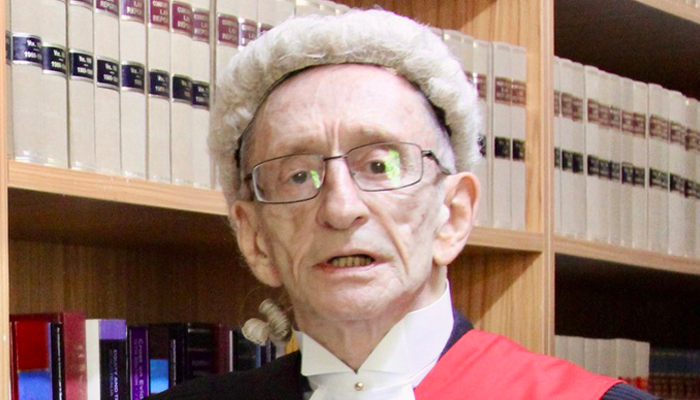
Lord Chief Justice Malcolm Bishop formally criticised the Crown’s conduct and recommended further training for prosecutors following a case involving a 12-year-old witness whose mother was involved in a road-rage confrontation with an accused from Fātumu.
According to the judgment, the Chief Justice expressed concern about how the vulnerable child was treated while giving evidence about a traumatic incident involving threats, violence and gunfire.
Children and other vulnerable witnesses require particular care within the judicial process, especially when recounting traumatic events before a court. Those standards were not met in this case.
Beyond a single case
If the prosecution cannot properly protect a vulnerable child witness in a case such as this, serious questions must be asked about its readiness to handle cases in which the stakes—and the consequences of failure—are even greater.
The prosecution represents the Crown in criminal proceedings and carries responsibilities extending far beyond securing convictions. Prosecutors must present evidence competently, prepare witnesses appropriately, comply with disclosure and procedural requirements, act fairly, assist the court in achieving justice, and ensure that vulnerable witnesses are properly protected throughout the legal process.
Failures in these responsibilities can have serious consequences, not only for individual cases but for the effectiveness and credibility of the criminal justice system as a whole. Poorly prepared or mishandled prosecutions can weaken otherwise strong cases, waste the considerable public resources invested in criminal investigations and court proceedings, and cause further distress to victims and witnesses.
The Chief Justice’s criticism is not the first judicial warning about prosecutorial shortcomings in Tonga. In previous cases, judges have criticised failures to call important witnesses, accurately present defendants’ criminal histories, explain discrepancies in drug evidence and follow proper procedures. In one serious armed-robbery case, Justice Charles Cato described the handling of the matter as an “unacceptable litany of error”.
More broadly, persistent weaknesses within the prosecution service can undermine deterrence and public confidence. A criminal justice system depends partly on the expectation that offences will be investigated and prosecuted competently. If offenders come to believe that serious cases may fail because prosecutors are poorly prepared or unable to present evidence effectively, that perception risks weakening the deterrent force of the law and, in the worst circumstances, emboldening further offending.
Wider structural concerns
The Chief Justice’s warning comes amid longstanding concerns about the Kingdom’s wider justice system. A 2014 review by constitutional-law consultant Peter Pursglove, which was presented to the King and tabled in Parliament, concluded that aspects of Tonga’s judicial structure were unworkable and incompatible with the principles of constitutional monarchy and democracy.
The review was particularly critical of the fragmentation of responsibility among the Ministry of Justice, the Office of the Lord Chancellor and the Attorney General’s Office. It also raised concerns about the Lord Chancellor’s lack of public accountability and potential conflicts of interest arising from his relationship with the Judicial Appointments and Discipline Panel.
Although Pursglove’s review focused primarily on Tonga’s constitutional and judicial structure, the Chief Justice’s latest criticism points to weaknesses in another crucial part of the justice system—the prosecution service. Together, they reinforce concerns about the poor constitutional framework underpinning Tonga’s justice system and the urgent need for professional training, stronger accountability and meaningful structural reform.