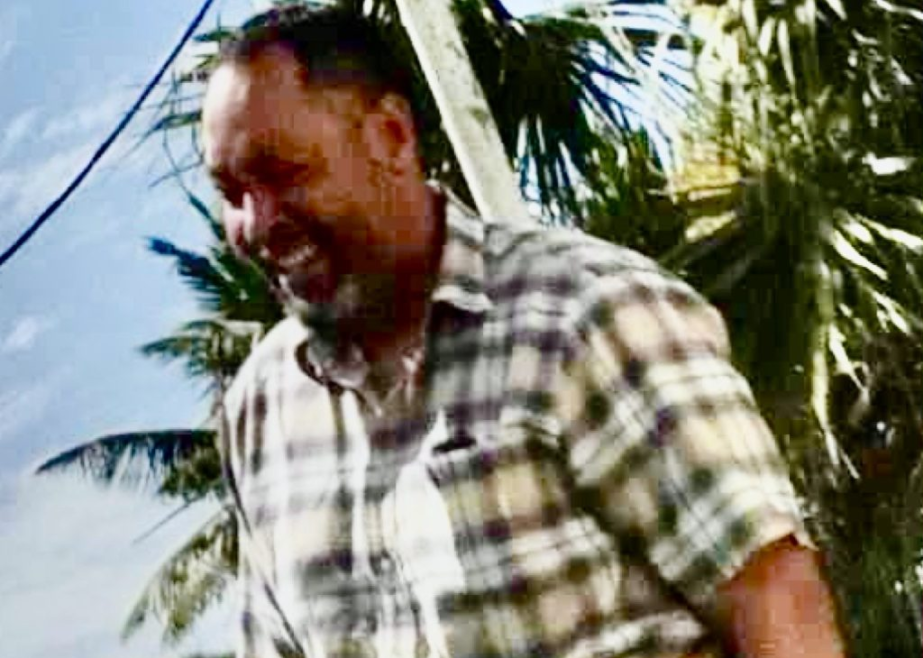
Teau ʻi Moʻunga Faletau, 43, was sentenced by Lord Chief Justice Malcolm Bishop KC after being convicted of arranging the transportation of 5,846.98 grams of methamphetamine through an airline baggage handler.
Because the amount exceeded 5,000 grams, Tonga’s Illicit Drugs Control Act required life imprisonment.
The Chief Justice clarified that life imprisonment was not simply the maximum penalty available — it was the only sentence permitted by law for the offence.
Faletau had approached ʻOfisi Ake, with whom he had developed a friendship, seeking his assistance as a baggage handler to get the methamphetamine onto an aircraft bound for New Zealand while avoiding detection, the court found.
However, Bishop said there was no evidence Faletau had previously been involved in drug dealing or was the mastermind of an international criminal organisation.
He described Faletau as not particularly sophisticated and found that he had apparently taken an opportunity to make easy money despite owning a successful business.
The judge also noted Faletau had provided employment in the community and had previously shown bravery while attempting to rescue the late Makisi Tonga when official assistance was unavailable.
While imposing the mandatory sentence, Bishop made an important clarification about what life imprisonment means under Tongan law.
He found that a life sentence without any possibility of future review or mitigation would be unlawful in Tonga.
Under the Constitution, the King, with the consent of the Privy Council, may pardon a convicted person or remit or reduce a sentence.
Tonga’s Prison Rules also provide for life sentences to be considered on their merits after periods including 10, 15 and 20 years, although such reviews do not guarantee release or a reduction.
Faletau’s life sentence was backdated to when he was first remanded in custody, while the court ordered the methamphetamine destroyed.
Co-defendant Mafi Fatongiatau Lutui was acquitted of a similar charge in the case.
Source: Matangi Tonga