Tongan American filmmaker Jacqueline Olivé has turned an unusual family living arrangement into a documentary exploring her relationship with her Tongan father, Japanese former boyfriend and the complexities of cultural identity.
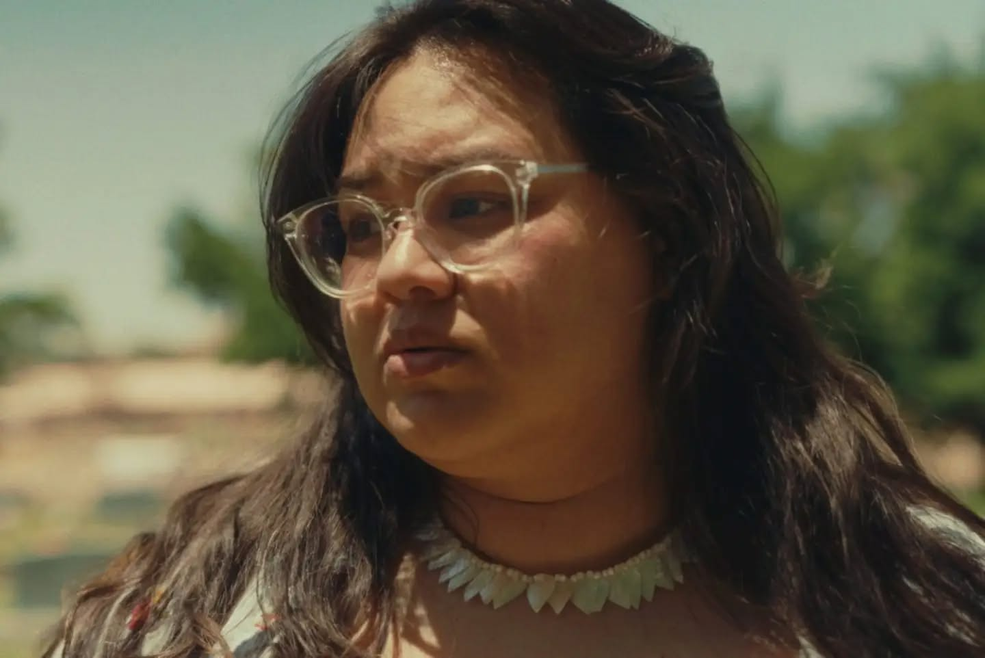
Tongan American filmmaker Jacqueline Olivé explores family relationships, cultural identity and her Tongan heritage in her new documentary, Like Father Like Daughter. Photo: International Examiner.
Her 27-minute film, Like Father Like Daughter, is featured in the 2026 Hawaiʻi International Film Festival’s Pacific Daughters showcase, which highlights women’s experiences of family, ancestry and belonging across the Pacific.
The documentary follows Olivé as she navigates strained family relationships while attempting to understand her father’s reluctance to discuss their family history.
According to an interview published by the Seattle-based International Examiner on 15 October, the project emerged from Olivé’s personal experiences after returning to the United States from Japan.
Unusual family arrangement inspires film
Olivé and her Japanese boyfriend moved to the United States after spending several years in Japan, but their relationship ended on New Year’s Day in 2023.
Six months later, her former boyfriend moved into her family home in Las Vegas, where she lived with her parents.
The arrangement created an unexpected household dynamic, with Olivé confronting unresolved tensions with her father while her mother occasionally suggested she reconcile with her former partner.
Rather than turning the experience into a fictional drama, she began documenting their interactions, including family dinners and conversations that revealed the difficulties of accepting one another.
The film combines handheld recordings, high-resolution digital cinematography and black-and-white manga-style animation created with artists in Tokyo.
Olivé uses these contrasting visual techniques to distinguish memories and imagined experiences from everyday reality.
Fluent in Japanese, she also incorporates the language into the documentary, reflecting her years living in Japan and her connection with Japanese storytelling.
Filmmaker challenges cultural expectations
A significant theme emerging from Olivé’s experience is the pressure placed on filmmakers from minority communities to produce work explicitly centred on their cultural heritage.
She told the International Examiner that she had previously faced expectations to create specifically Tongan-themed films, despite having interests in other subjects.
“I was being pressured a lot to make something Tongan, which was crazy to me, because I was just like, anything I make is Tongan, I’m Tongan,” she said.
Her comments challenge the assumption that Tongan filmmakers must focus on traditional cultural subjects to demonstrate their identity.
Instead, Olivé regards her heritage as an inseparable part of her creative perspective, whether her stories concern Tonga, Japan or her personal experiences in America.
The documentary also raises questions about the responsibilities of filmmakers when documenting intimate family relationships.
Olivé described the filmmaking process as both emotionally challenging and potentially therapeutic, requiring sensitivity towards the people whose lives she was recording.
International recognition and future plans
Olivé has received professional support from organisations including Pacific Islanders in Communications, which selected her for the 2026 Indigenous Cinema Alliance Global Fellowship.
She has also received two Student Emmy Awards for documentary editing and producing.
Her work reflects growing opportunities for Pacific filmmakers to tell personal stories through contemporary cinema.
The Hawaiʻi International Film Festival’s official programme describes Like Father Like Daughter as a year-long exploration of conversations and family dinners involving a Tongan father, his daughter and her former boyfriend.
Olivé plans to develop the short documentary into a feature-length film, allowing her to examine the relationships and experiences in greater depth.
Olivé identifies herself as a Tongan American filmmaker whose Tongan heritage comes through her father, a central figure in her documentary. She has publicly embraced her cultural identity, maintaining that anything she creates is inherently Tongan because she is Tongan.
However, available biographical information does not identify her father’s family members or their ancestral village or island in Tonga, leaving her specific family connections to the kingdom unclear.