Commentary – Five months after Tonga’s meteorological authorities warned of an impending El Niño-induced drought, many crops have already withered or died, yet farmers are struggling to find out where and how to apply for the government’s TOP$1.8 million drought relief assistance.
The manner in which the funding has been publicised raises further questions about the professionalism of the government’s emergency response.
The funding was initially mentioned in the government’s El Niño emergency announcement on November 19, without explaining how affected farmers could access it.
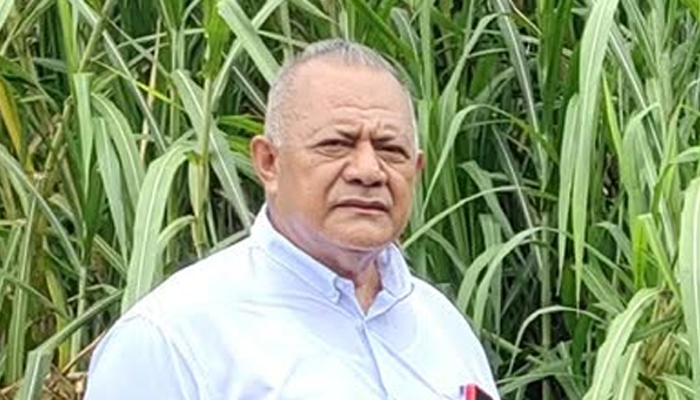
It was not until Tuesday, November 24, that Agriculture Minister Viliami Sisifā revealed in an interview with Tonga Broadcasting Commission (TBC) News that farmers could apply for assistance by completing forms available at district agriculture offices throughout the kingdom.
The announcement immediately sparked confusion, with several members of the public taking to Kaniva News’ Facebook comment section to ask where and how they could obtain application forms.
Some claimed that even staff at the Ministry of Agriculture’s district offices were unaware of the programme and had told them no application forms were available.
The Prime Minister has now announced a press conference for Friday, November 27, with the El Niño relief funding among three agenda items.
While the briefing provides an opportunity to clarify the application process, it raises questions about why this information was not adequately communicated before farmers were invited to apply.
Five months of advance warning
Tonga Meteorological Services officially declared El Niño on June 19, warning of a high likelihood of drought across all island divisions.
Three days later, the National Disaster Risk Management Committee met and agreed to implement immediate drought preparedness and response measures.
By November 19, worsening drought conditions affecting water supplies and agricultural production had prompted Acting Prime Minister Dr Viliami Latu to declare a 27-day nationwide state of emergency.
Sisifā told TBC News that the relief funding was intended to assist farmers with seeds and other planting materials, including seed potatoes, as well as ploughing, water and rice.
However, critics questioned whether ploughing and planting new crops were appropriate priorities during a drought emergency, when existing crops were already dying and farmers and livestock owners were struggling with severe water shortages.
They argued that assistance should have been made available earlier to help minimise agricultural losses.
Given the advance warning and the commitment to immediate preparedness measures, what steps were taken during the intervening five months to protect agricultural production and prepare for the distribution of emergency assistance?
Concerns over public access to government funding
The confusion has also revived allegations that previous government funding programmes were not adequately publicised, potentially favouring those with close connections to ministry staff or ministers’ offices.
A concerned Lapaha resident told Kaniva News that her group had been unaware of government funding intended to support women involved in kokaʻanga (tapa-making) until a ministry staff member informed them, enabling them to apply for and receive assistance.
She questioned whether this reflected a wider government practice of leaving eligible groups unaware of available funding.
Her experience raises a pertinent question about the current drought relief programme: had TBC News not interviewed the Agriculture Minister, when and how would eligible farmers have learned that applications were open?
Could those with closer access to ministry officials have obtained this information earlier than the wider farming community?