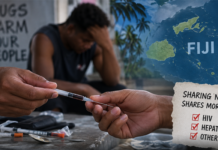
Suva, Fiji — Serious concern has been raised about Fiji’s growing HIV crisis, with government officials warning that the country could soon have close to 9,000 people living with HIV if current infection trends continue.

Fiji is currently facing a rapidly escalating HIV crisis driven by a sharp rise in injecting drug use, low testing rates, and limited access to prevention services.
Health authorities say many people living with HIV are unaware of their status, allowing the virus to spread quietly within families and communities.
The latest warning comes amid revelations that the official figures only reflect individuals who have been tested through health centres across the country.
Health authorities believe the true number of infections could be up to three times higher, as many people may be living with HIV unknowingly due to limited testing.
According to Fiji Live, Assistant Minister for Health Penioni Ravunawa has described the situation as an HIV pandemic, highlighting an urgent need for stronger public health interventions.
Ravunawa revealed that cumulative HIV diagnoses rose sharply from around 3,660 cases in 2024 to approximately 5,676 cases in 2025, marking a significant increase within a single year.
He also pointed to a dramatic surge in annual infection rates.
New HIV cases increased from 415 in 2023 to 1,583 in 2024, a nearly four‑fold rise that health officials say is deeply worrying.
“These figures only represent those captured through testing,” Ravunawa said, noting that the actual number of people living with HIV in Fiji is likely far higher.
“This is a very worrying situation that we are in right now.”
Health authorities fear that without urgent action—including expanded testing, public awareness campaigns, and improved access to prevention and treatment services—the number of infections could continue to rise rapidly.
Officials are urging the public to seek testing, reduce stigma around HIV, and engage with health services early, stressing that early diagnosis and treatment can significantly improve health outcomes and help curb transmission.