The New Zealand Government has confirmed it will replace NCEA with a new senior secondary qualification system, a change expected to directly affect around 100,000 Tongans living across Aotearoa in the coming years.
The new certificate is based on the principle that curriculum defines the knowledge and skills students are expected to learn, and qualifications must accurately recognise that learning.
When the two are not properly aligned, it is students who ultimately miss out, the government said in a statement.
It says the Cabinet has agreed to an initial package outlining the structural framework of a new secondary qualifications system to replace NCEA.
The proposed changes include introducing a two‑year qualification at Years 12 and 13, shifting to subject‑based assessments that evaluate whole curriculum areas, and integrating industry‑led subjects into the senior curriculum to create a single, coherent qualification pathway.
Under the plan, NCEA Level 1 will be removed and replaced with deeper, curriculum‑driven learning in Year 11, alongside a new Foundational Award recognising students’ literacy and numeracy achievement at Year 11 level.
From 2028, all Year 11 students will also be required to study English | Te Reo Rangatira and Mathematics | Pāngarau.
“Students will be able to sit the Foundational Award when they demonstrate the required literacy and numeracy capability, typically at Year 11 level.
“The Foundational Award is designed as a stepping stone into senior secondary qualifications. The basics matter. This award is a strong indicator of readiness to engage with the Year 12 and Year 13 qualification and basic competency in reading, writing and maths.
Next steps
“This is the first tranche in the design of the new qualification system. By taking decisions in two tranches, we have the time to engage with the sector and undertake detailed design work with the new Technical Advisory Group, on the more technical aspects of the proposal.
Tranche two includes achievement requirements for Year 12 and 13, information about grading, the balance of internal versus and external assessments, weighting of exams, moderation, comparability, and complex decisions.
“These questions are interlinked and complex.
“It is important to get the balance right to be aspirational for all students, while making sure we are setting them up for success.
“Also, during the consultation process, it was suggested it be made compulsory for schools and kura to require Year 11 students to take Science | Pūtaiao. I will be seeking further advice on this.”
The new system will be phased in:
- 2026: Finalise senior secondary curriculum and develop assessment exemplars. Finalise qualification design.
- 2027: Preparatory year of assessment and PLD.
- 2028: NCEA Level 1 removed, Year 11 curriculum only, Foundational Award introduced.
- 2029: New Year 12 qualification and curriculum starts.
- 2030: New Year 13 qualification and curriculum starts.
“No student will need to switch between NCEA and the new qualifications system during their schooling. The first students to participate are the current Year 9 cohort.
“It’s important that we get the reform of secondary school qualifications right, so we will continue to engage with the sector to ensure we achieve the best outcomes for teachers and students.
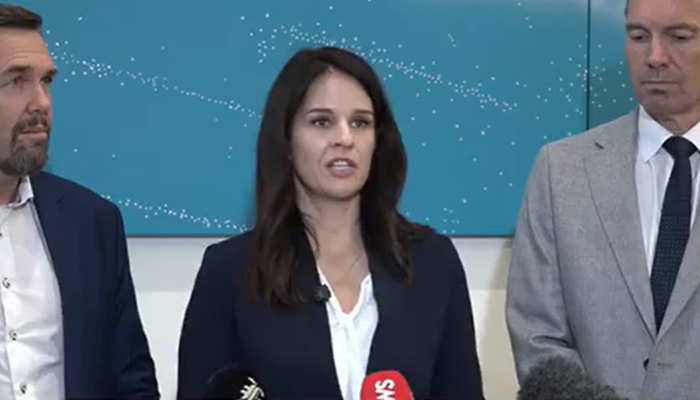
“I expect to take advice on these technical design decisions before Budget,” says Ms Stanford.
Curriculum and Assessment Roadshow
To further support schools as these reforms progress, there will be a national curriculum and assessment roadshow for secondary school leaders in June this year.
“The roadshow will help schools prepare for the new subject-based qualification structure and the knowledge rich curriculum.
“These events will support leaders to understand the changes, build capability, and share implementation approaches across the country,” says Ms Stanford.