Home Blog Page 264

Court of Appeal says Noble has no right to evict family; behaviour described as shocking

The Court of Appeal has ruled that Lord Fohe has no right to evict a family who have been living on land granted to them by the late Lord Fohe.
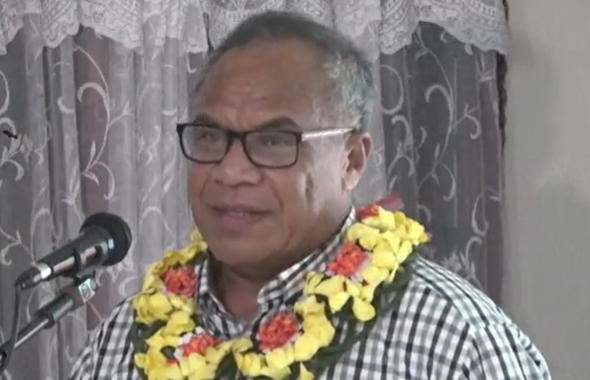
And the late Noble’s daughter, who represented his interests for seven years, has described the current title holder’s behaviour as shocking. Lord Fohe is now the government’s Minister of Agriculture, Food and Forestry (MAFF).

The Court of Appeal accepted that the late Lord Fohe had granted the land on his hereditary estate of Puke, that money and traditional gifts had been paid in recognition of the grant and that subsequently the land had been developed and a house built.

The appeal was heard before Judges Whitten, de Jersey, Harrison and Heath.

In his summary of the hearing, Judge Harrison said that until his death in 2009, Samiu Fohe held the hereditary title of Fohe and the hereditary estate of Puke in Tongatapu. After his death, the present title holder was appointed as successor by King Tupou VI in 2016.

In the latter stages of the late Fohe’s life, his daughter, Lupe, acted as his representative. That role afforded her the status of a “landholder” or “holder” of the estate. She continued in that role in the period between the late Fohe’s death and the installation of the current Lord Fohe in 2016.

READ MORE:

Lord Fohe fined $500 over resident assault

Lord Fohe loses fight to remove tenant he said he ‘did not know where he had come from’

Witnesses cite argument over bulldozer, but Rev says dispute with Lord Fohe was ‘minor’

Before the late Fohe’s death, Ve’etutu Mahe, asked him for an allotment on the hereditary estate. Mr Mahe said he had taken possession of part of the estate and had made customary gifts to the late Fohe, as well as carrying out some repairs and maintenance to the late Fohe’s house without charge.

In the period between the late Fohe’s death and the appointment of Lord Fohe in 2016, Mr Mahe built a house on the land, in which he and his family now live. Mr Mahe said the late Fohe had promised to arrange a grant of the allotment and registration in his name, but that was not completed before his death.

Following his installation, Lord Fohe indicated he was not prepared to honour any promise of the type that Mr Mahe alleged had been made and issued a claim in the Land Court before Judge Niu to evict Mr Mahe from the area that he occupied. At the time the proceeding was issued, there were four defendants, but Mr Mahe was the only one who actively defended the claim.

Judge Niu ruled that Lord Fohe ought to have taken charge of his father’s estate and inheritance. He appointed the town officer as his representative only after he assumed the title.

By that time Mr Mahe and his wife and children had already been residents of the estate for two years. This meant they has already become “lawfully resident” in Puke.

Judge Niu further ruled that the newly appointed Lord Fohe could not evict Mr Mahe and his family or seek damages from them. However, he rejected Mr Mahe’s counterclaim for a grant of the allotment. Lord Fohe appealed Judge Niu’s decision.

The Court of appeal supported Judge Niu’s finding that Lord Fohe could not evict Mr Mahe because he had acquiesced in Mr Mahe’s occupation of the property.

Judge Harrison said that in appreciation for the grant of the land Mr Mahe had given Lord Fohe a total of TP$5500 over the years, as well as customary gifts of yams and pigs.

The late Lord Fohe’s daughter Lupe, who took care of his interests for several years, said she had asked the land surveyor to sub-divide the whole area of land (of 14 acres) so that the piece of land allocated to Mr Mahe could be registered, but that her father died before that could be done.

Mahe began building his house on the land in 2012.The town officer, Malolo Tupou, was aware of the construction of the house, but he did not stop it or question the right of the defendant to build it and to live in it with his family.

“The late Fohe indicated to Mr Mahe the allotment on which he subsequently built, and his daughter Lupe, while the late Fohe’s representative, set in train the process for subdivision and registration, although that was not accomplished prior to the late Fohe’s death,” Judge Harrison said.

“Lupe also encouraged Mr Mahe to build on the land after the death of late Fohe.”

Judge Harrison said Lupe had acted as the de facto representative of the late Fohe’s eventual successor before he took up the title.

Given Mr Mahe’s occupation and development of the land the late Fohe would have been stopped in law from evicting Mr Mahe and so was Lord Fohe, who raised no issue until the Notice to Vacate was issued in May 2017.

In her evidence to the Court of Appeal, Lupe said she was shocked by Lord Fohe’s behaviour in the case.

“I didn’t anticipate that he would treat the people this way” she told the court.

“I thought that he would continue with good grace the work my father did and that is why I was shocked.”

Vaccine still provides good protection against Omicron variant as  new drugs are developed

Kaniva Covid watch

Mutated versions of the Covid-19 virus that have appeared in New Zealand this year do not appear to have increased the severity of the disease.

According to the Ministry of Health public health precautions already in place to manage the Omicron variant are still working.

The latest version was detected in July.

A total of six mutations have been identified so far this year. Omicron was first detected in New Zealand in an international traveller who arrived in the country on 10 December 2021. Managed isolation was still being used at that time, so community spread of Omicron was not detected until mid-January.

Two Omicron sub-variants, BA.1 and BA.2, were introduced into New Zealand around the same time. BA.2 became dominant during the first three months of 2022.

BA.2 is the dominant version of the disease circulating in New Zealand at the moment.

New Omicron sub-variants BA.2.12.1, BA.4 and BA.5 were identified in travellers to New Zealand in late April 2022. These sub-variants were common overseas and likely to gradually replace BA.2, the Ministry said.

The Omicron subvariant BA.2.75 was detected in New Zealand for the first time on July 1, 2022 in two people who arrived in New Zealand.

Experts are still working out how it is transmitted, how it responds to immunisation and how severe it is.

There is no current evidence that it leads to more severe disease.

Because of the changes to the virus, the Omicron variant is more resistant to the protection provided by the original Pfizer vaccine, which was developed against the original SARS-CoV-2 virus.

However, the Ministry said the Pfizer vaccine still provided good protection from infection from the Omicron variant. Vaccination provided very good protection against developing severe disease if a person was infected.

Newer vaccines were being produced specifically for the Omicron variant, but had not yet been approved and were not in commercial production at this stage.

The Ministry said using public health precautions remained important to continue to protect New Zealand communities against Omicron. As well as vaccination, early detection of cases and isolation, staying home if you are sick, washing your hands, wearing a mask, improving ventilation and physical distancing remained important.

Vaccination figures

According to the Ministry’s latest report, the total number of vaccine doses administered nationally is 11,795,062.

The latest national vaccination figures show 596,464 second boosters have been administered.

A total of 2,732,622 first booster shots have been administered.

A total of 90.2% of people over 12 have completed a primary course.

A total of 39.4% of people over 50 eligible for a second booster have received one.

A total of 73.2% of people aged over 18 eligible for a first booster have received one.

Pacific Peoples

According to the Ministry’s latest report, 1123 Pacific Peoples aged between 16 and 7 have had their first booster. A total of 151,445 Pacific Peoples over 18 have received their first booster. A total of 18, 30 Pacific Peoples aged over 50 have received a second booster.

Re-trial for Lavulavus. Judge overstepped the line and took on prosecutor’s role says panel

‘Etuate and Akosita Lavulavu have been granted a retrial.

Minister of Infrastructure ‘Akosita Lavulavu and husband ‘Etuate Lavulavu. Photo/Akosita Lavulavu (Facebook)

In their report on the hearing in the Court of Appeal, Judges Hansen, de Jersey, Harrison and Heath said the original trial under Judge Cooper had gone “badly awry” and that he had acted outside the bounds of his role.

However, the panel of four judges who heard the appeal said sufficient evidence had been presented at the original trial to have gained a conviction on a correct application of relevant legal principles. A retrial was therefore necessary.

The former politicians were convicted by Judge Cooper of three joint charges of obtaining TP$553,800 by false pretences for the private education body, the the ‘Unuaki ‘O Tonga Royal Institute. They were both sentenced to six years’ in prison.

The last 12 months of Mrs Lavulavu’s sentence was suspended in for two years on condition that she comply with the directions of her probation officer, satisfactorily complete a life skills course and commit no offence punishable by imprisonment. 

Both Mrs Lavulavu and her husband appeal against conviction and sentence. Their appeal was based on claims that Judge Cooper erred in his analysis of the elements of the offence; that he erred in holding that the principles of agency could be invoked for the purpose of proving the offences, that he erred in finding there was evidence sufficient to establish guilt and that he was biased and/or that the conduct of the trial was unfair.

The four judges who heard the Lavulavus’ appeal found that  Judge Cooper had erred in the first count by not considering all elements of the defence.

They found in favour of the second claim, saying that Judge Cooper should not have relied on the principle of agency to determine the case.

“The rules of agency with their particular requirements relating to knowledge and authority have no place in a case such as this,” they said.

“”We see no reason why the evidence should not be analysed in the usual way by considering whether the elements of the offence have been established, if necessary by reference to the statutory provisions for establishing guilt as a party.”

However, they dismissed the argument that Judge Cooper had not found sufficient evidence of guilt. They said there was ample evidence to support the judge’s findings.

The Lavulavus claimed the trial was unfair. They accused Judge Cooper of “excessive judicial interventions and conduct which conveyed a predetermined and adverse view of their case.” During the trial they asked for the judge to step down, which he refused to do.

The four judges said the trial threatened to involve up to 100 witness and Judge Cooper had a right to try to manage it so that it flowed smoothly. This meant that he had to ask more questions and intervene more often than usual. They said the situation was not helped by the fact that Mr Lavulavu represented himself, which added greatly to the judge’s workload.

However, the judges found that Judge Cooper’s questions and interventions took him beyond the boundaries of his role as a judge and that at times he effectively became a second prosecutor. They said there was also evidence that the judge held strong views on certain issues. Quoting the UK Privy Council, they said: “”The need for the judge to steer clear of advocacy is more acute still in criminal cases. It is imperative that a party to litigation, above all a convicted defendant, will leave court feeling that he has had a fair trial, or at least that a reasonable observer having attended the proceedings would so regard it.”

 “Having regard to these principles and to the aspects of the trial earlier set out, we are left in no doubt that the appellants are fully justified in feeling that they did not have a fair trial and that a fair minded observer would agree with them.”

“The irregularities have referred to resulted in a trial that went badly awry. In what we assume to have been a well-intentioned attempt to expedite the trial, the Judge persistently and, in some cases, egregiously exceeded his proper function. It was understandable that the appellants should feel the Judge was not acting impartially and inevitable that a fair minded observer would share that view.

“There is accordingly ample evidence to support findings of apparent bias on the part of the Judge and that the trial was unfair. The verdicts cannot stand.

“We are satisfied, however, that there was sufficient evidence to support convictions on a correct application of relevant legal principles. A retrial must accordingly follow.”

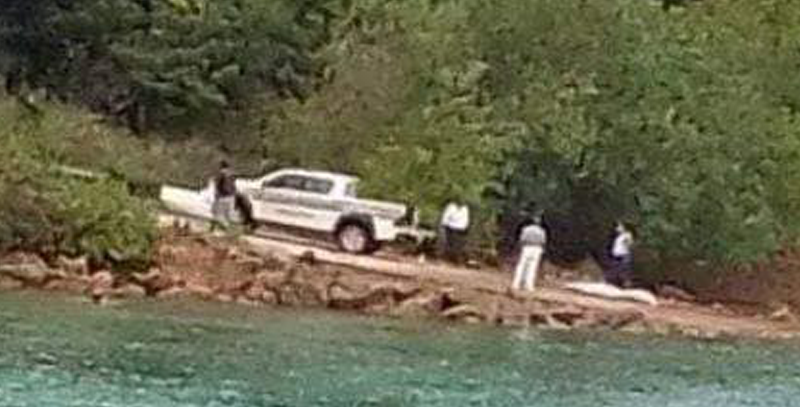
Body pulled from water in Vava‘u

Police have pulled a body from the sea at Vaipua this afternoon  Tuesday 11.

The man’s body was found in the water near Toula and Leimātu’a.

Neiafu Town Officer, Vava Lapota  said a formal identification process was underway.

He said the body appeared to have been in the water a little while.

Doctor of Fine Arts: Making art from sound, Tongan style

The art of Sione Faletau, who graduated with a Doctor of Fine Arts in September, has shifted and evolved over the years of his studies and across myriad media, but it has always been grounded in Tongan culture and concepts.

Sione Manu Finau Faletau

“Yeah, it’s quite big to get to this level,” agrees Sione Manu Finau Faletau, of being awarded a Doctor of Fine Arts this week. That he would choose to study fine arts at university ‘has been a bit of a learning for my family’, but as he progressed through his studies ‘they got on board’.

Sione has links to the villages of Taunga, Vava’u and Lakepa, Tongatapu, Tonga, and lives in Ōtara, South Auckland. He got interested in art in his final year at high school, which was when, having planned to study architecture, music or possibly English literature, he discovered that art was a subject he could actually study at a university level.

He graduated with his Bachelor of Fine Arts in 2013, which was followed by a Masters degree in 2015. Having been awarded a Prime Minister’s Youth Award and offered a scholarship by Elam, he returned to study for his Doctorate of Fine Arts in 2016.

His practice has changed, shifted and evolved over the years, across a myriad media, but always grounded in Tongan culture and concepts. He initially started out as a painter; having gone to a school with limited resources he thought of art to be largely about drawing and painting. “Elam opened up a new world of art. It was like a different language as well.”

Through his studies and practice he used performance, video, drawing, sculpture, and installation. He finished his masters degree as a performance artist, drawing on Tongan identity as well as lived experiences as a Tongan performer and drummer. “Performance has always been part of my personal life, and came naturally to me,” he says. “So I began to include it in my art practice.”

In his final year of his doctoral studies, he began to move toward a digital-audio practice. “This was during Covid and lockdown, which affected by practice. I couldn’t go to a studio.” The University provided him with computer, which he used initially to create sketches or draw ideas for performance works quickly. “At first it was about speed and efficiency, but digital became my thing,” he says.

“I was still doing our performance works, but I started focusing on different aspects of performance. Sound has always been implemented into my performance practice, but I became more focused on the sound.”

Or more specifically the Tongan concept of ongo, meaning sound, hearing, and feeling, in which he began to use the audio waves spectrum as a material to create kupesi (patterns), to create visual representations of sound and of talanoa (the sharing of ideas), using data and audio wave spectrums and kupesi patterns to manifest sound in a visual form.

He has used the sound of the wind, the sound of musical instruments, the sound of his daughter eating coco pops.

In 2021 he was one of two successful Elam student proposals selected to develop a work for public viewing on The Lightship, the 110-metre-long light wall the Ports of Auckland built on their new car handling building; his work featured a massive sisi (garland) of lights, composed from the sounds of the site, the Ports of Auckland and the Waitematā.

Sione has been making a number of visual statements cross Tāmaki Makaurau as an exhibiting artist. In 2022 he was also invited to create an exhibit for Britomart’s Atrium on Takutai which, called Ongo mei he tapa fa (sounds from the four corners), featured patterns created from the sounds recorded in the atrium.

A video entitled Ongo Ongo shown at the Gus Fisher Gallery at the same time featured patterns based on the sounds of people visiting the gallery, the sounds of the world outside such as the sounds of nearby construction, patterns that feature in the video.

The work also drew on the decorative elements within the television broadcasting building, which referenced the building’s history as a building for purpose-built television and broadcasting studios.

For his Doctor of Fine Arts Sione explored through his art, concepts, expressions and expectations of Tongan masculinity. “It was a personal exploration for me, growing up in a masculine-dominated environment, but also a subject that hadn’t been explored or researched before.”

He has been a long time studying, and a Doctorate meant “a lot of open water, that was sometimes daunting. But at that level you really are on your own. Doing my Doctorate was a new level of discovery for me, especially with my subject.” 

Sione is currently working as gallery coordinator at the Māngere Arts Centre and an artist, but his ultimate aim is to return to Elam School of Fine Arts, as a lecturer. “I did a bit of teaching while I was studying and really enjoyed it. Education is key. I want to be able to give back, to our arts community, to our university community.” 

Concerns raised after overseas suspects of royal slurs not arrested in Tonga

The government has been asked why Tongans from overseas suspected of insulting the royal family on Facebook have not been arrested while visiting the kingdom.

King Tupou VI Photo/File photo

Minister of Justice Samiu Vaipulu was told that some suspects were currently in the kingdom, but Police had done nothing about them.

Hon. Vaipulu was told that it was the government’s responsibility to look out for these people and charge them.

The concerns came three years after the government made a dramatic move to block Facebook and investigate suspected fake Facebook accounts which posted slanders about the king and the royals.  

In 2019 a team of Tongan officials, led by the Attorney General, flew to Australia and met Facebook executives in an attempt to chase down the suspects.

Tongan authorities said at the time they were considering laying treason charges against people insulting the royal family on Facebook. However, they admitted that   Police “struggled to identify who was behind the pages – and whether they were even based in Tonga – and were worried any arrests could “create security issues.”

Lord Tu’ivakanō made the revelation recently in Parliament, but did not identify the suspects.

He told the Minister of Justice some of the suspects were in Tonga.

He said the government should exercise due diligence to make sure the suspects were brought to justice.  

In Tongan he said: “ ‘oku ‘i ai pē fa’ahinga ‘oku lolotonga ‘i he fonua ni ‘oku nau ‘i heni pē na’e ‘i ai pē fa’ahinga na’e ō mai mei muli ka ‘oku ‘ikai ke fai ha ngāue ki ai ka ko e me’a ia ‘a kimoutolu Pule’anga ke mou vakavakai’i ko e taimi ‘oku nau tu’uta ai ko ē ki Tonga ni ‘oku ‘osi tonu ke ma’u e kalasi ko ia”.

Lord Tu’ivakanō said the government should also use its diplomatic relationships with overseas countries to have these people extradited and brought to Tonga.

Hon. Vaipulu said the government was working on the case, but they faced a serious problem because the suspects were living overseas. 

Covid infections may slow in summer; nearly all Pasifika now partially vaccinated

‘Oku taupotu ‘i lalo ha fakamatala faka-Tonga

Rising temperatures could keep number of Covid cases down.

Photo/ RNZ

According to the latest report from the Ministry of Health case numbers have remained flat in recent weeks, but new variants could push the numbers back up.

The Ministry said the rise could be limited by warmer summer months.

A total of 11,205 cases were reported in the latest statement, with 17 deaths.

The Ministry of Health has not released separate reports for Maori and Pasifika since August.

The latest separate report, covering the period up to August 14, said  new cases identified as Pacific Peoples had continued to decrease. A total of 1662 cases were reported for the previous week, a drop of 256 cases.

An additional 29 Pacific Peoples were in hospital for COVID-19 during this period, a reduction of six patients.

A total of  1728 Pacific People had been  hospitalised for COVID-19 up to the date of the report. Three more Pacific deaths had been attributed to COVID-19 by 14 August.

Counties Manukau remained the centre of the outbreak.

In the latest overall report, figures show 91.8% of people of all ethnicities in Counties Manukau were partly vaccinated and 61.9% had received a booster shot.

The latest overall report says a total of 91.7% of Pacific Peoples throughout New Zealand have been at least partially vaccinated and 61.2% have received a booster shot.

The main Omicron subvariant in this country is becoming less dominant as new subvariants emerge.

The Ministry of Health said the BA.5 variant accounted for about 75 percent of cases in the two weeks to 30 September.

The BA.4.6 variant’s share increased sharply in the latest data to 15 percent, while the BA.2.75 variant was also gaining and was up to 10 percent.

The Ministry said new variants were emerging,  but there was  no strong evidence of large increases in transmissibility or disease severity associated with the most recent variants.

Vaccination, including boosters, remained effective at decreasing the risk of hospitalisation and death from the Omicron variant.

Everyone in New Zealand aged 5 or over can get a free COVID-19 vaccination. It does not matter what peoples’ visa or citizenship status is.

FAKAMATALA FAKATONGA

Ko e mahiki ‘a e fuamafana ki ‘olunga ‘e malava ke ne ta’ota’ofi ai pe ‘a e fika ‘o e Koviti’ ‘I lalo.

Fakatatau ki he lipooti  fakamuimui ‘a e Potungāue Mo’ui ‘I ‘Okatopa’ na’e tu’uma’u ‘a e lahi ‘o e ngaahi keisi’ ‘I he ngaahi uike ki mui ni’ ka ne toe hanga ‘e he fōtunga kehe ‘o e Koviti ‘o toe fakatupu ke lahi ange.

Na’e pehē ‘e he Potungāue’ ‘e lava ke ‘ikai toe hiki tō ‘a e fika ‘I he ngaahi māhina ‘o e faha’ita’u māfana’.

Ko e keisi ‘e 11,205 na’e lipooti ‘I he māhina ‘Okatopa’ kau ai ‘a e mate ‘e took 17.

Ko e toko  29 ‘o e kakai Pasifiki’  ne nau ‘I fale mahaki ko e puke ‘I he Koviti’ lolotonga ‘a e taimi ko eni ko e holo’aki ia ‘a e toko ono.   

Ko e fakakātoa ‘o e kakai  Pasifiki’ na’e puke pea tākoto fale mahaki ‘I he taimi ‘o e lipooti ko ‘eni’ ko e toko 1728. Ne toe ‘I ai mo e mate ‘e tolu ‘I he ‘aho 14 ‘Aokosi ne tupu mei he Koviti’.

Ko e ‘Omikoloni fōtunga kehe  ‘I he fonua’ ni ne si’i pe ha’ane toe  ‘u’uku ‘I he taimi ne ‘asi hake ai ‘a e ngaahi fōtunga kehe fo’ou’.

Na’e pehē ‘e he Potungāue Mo’ui’ ko e fōtunga kehe BA.5 ne fe’unga ia mo e pēseti ‘e 75 ‘o e ngaahi keisi uike ua ki mu’a ‘I he ‘aho 30 ‘o Sepitema’.

Ko e fōtunga kehe BA.4 ne mahiki ia ‘I he ngaahi fakamatala fakamuimui ki he pēseti ‘e 15, lolotonga ia’ ko e BA.2.75 ne kaka mo ia’o a’u ki he pēseti ‘e 10.

Na’e pehē ‘e he Potungāue’ ko e ngaahi fōtunga fo’ou ne mahiki ka ne ‘ikai ha fakamo’oni ne lahi ha’ane kaka ‘o mafola pe fu’u ‘I ai ha kaunga ‘a e mahaki ki he ngaahi fōtunga fakamuimui’.  

Ko e huhu malu’I, kau ai ‘a e pusitaa’, ‘oku kei mahino pe ‘a e ola lelei ‘ene holoki ‘a e tu’u fakatu’utāmaki ki ha tokoto falemahaki mo e mate mei he ‘Omikoloni’.

Ko e taha kotoa pe ‘I Nu’u Sila ‘oku ta’u 5 pe laka ai ‘e lava ke ne ma’u ‘a e huhu malu’I Koviti’. ‘Oku ‘ikai ke

Covid infections may slow in summer; nearly all Pasifika now partially vaccinated

‘Oku taupotu heni ha fakamatala fakaTonga

Rising temperatures could keep number of Covid cases down.

According to the latest report from the Ministry of Health case numbers have remained flat in recent weeks, but new variants could push the numbers back up.

The Ministry said the rise could be limited by warmer summer months.

A total of 11,205 cases were reported in the latest statement, with 17 deaths.

The Ministry of Health has not released separate reports for Maori and Pasifika since August.

The latest separate report, covering the period up to August 14, said  new cases identified as Pacific Peoples had continued to decrease. A total of 1662 cases were reported for the previous week, a drop of 256 cases.

An additional 29 Pacific Peoples were in hospital for COVID-19 during this period, a reduction of six patients.

A total of  1728 Pacific People had been  hospitalised for COVID-19 up to the date of the report. Three more Pacific deaths had been attributed to COVID-19 by 14 August.

Counties Manukau remained the centre of the outbreak.

In the latest overall report, figures show 91.8% of people of all ethnicities in Counties Manukau were partly vaccinated and 61.9% had received a booster shot.

The latest overall report says a total of 91.7% of Pacific Peoples throughout New Zealand have been at least partially vaccinated and 61.2% have received a booster shot.

The main Omicron subvariant in this country is becoming less dominant as new subvariants emerge.

The Ministry of Health said the BA.5 variant accounted for about 75 percent of cases in the two weeks to 30 September.

The BA.4.6 variant’s share increased sharply in the latest data to 15 percent, while the BA.2.75 variant was also gaining and was up to 10 percent.

The Ministry said new variants were emerging,  but there was  no strong evidence of large increases in transmissibility or disease severity associated with the most recent variants.

Vaccination, including boosters, remained effective at decreasing the risk of hospitalisation and death from the Omicron variant.

Everyone in New Zealand aged 5 or over can get a free COVID-19 vaccination. It does not matter what peoples’ visa or citizenship status is.

FAKAMATALA FAKATONGA

Ko e tō’olunga ko ‘eni ‘a e fua māfana ‘e ala pukepuke ai pē ‘a e toko si’i ‘o e ngaahi keisi Kōviti.Fakatatau ki ha lipooti ki mui ni ‘a e Potungāue Mo’ui, ko e toko lahi ko ia ‘o e kau puke ‘oku tu’u tatau ai pē ‘i he ngaahi uike kuo hili, ka ko e kalasi fo’ou te ne ala fakatokolahi e kau puke.Na’e pehē ‘e he Potungāue Mo’ui e ala ta’otaofi pē tupu ‘a e kau puke ‘e he māfana ange ‘a e ngaahi māhina ‘o e faha’i ta’u māfana.’I he lau fakamuimui taha ko e keisi ‘e 11,205, mo e mate ai ‘e 17.Kuo te’eki ke toe tuku mai ‘e Potungāue Mo’ui ha lipooti makehe ki he kāinga Mauli mo e Pasifiki talu mei ‘Aokosi.Ko e lipooti fakamuimui ‘o a’u mai ki ‘Aokosi 14, na’e pehē ‘oku mahino mei he ngaahi keisi fo’ou ‘a e holo ai pē ‘a e kāinga Pasifiki.Ko ha keisi fakakātoa ‘e 1662 na’e lipooti ‘i he uike kimu’a, ko ha holo ‘aki ia ha toko 256.’Oku toe tānaki mai mo e kakai pasifiki ‘e toko 29 ‘oku tākoto falemahaki ‘i he Kōviti – 19 ‘i he fo’i vaa’i taimi ko ‘eni, ko e holo ‘aki ia ‘a e kau puke ‘e toko ono.Ko ha toko 1728 ia ‘o e toko lahi ‘o e kakai pasifiki ‘oku tākoto falemahaki ‘i he Kōviti – 19, ‘i he’ene hā ‘i he lipooti fakamuimui. Ko e toko tolu pasifiki na’e toe mate, tu’unga he Kōviti – 19, ‘i he a’u mai ki he ‘aho 14 ‘o ‘Aokosi. ‘Oku kei tu’u pē ‘a Manukau ko e uhonga ia ‘o e mafola ‘a e mahaki. ‘I he lipooti fakalukufua fakamuimui ‘oku pehē ai ko ha 91.7 % fakakātoa ‘o e kotoa ‘o e ngaahi matakali ‘i he vāhenga Manukau kuo nau ‘osi huhu pea ko e 61.9 % kuo nau ‘osi huhu booster. ‘Oku pehē ‘e he lipooti fakamuimui ko e 91.7 fakakātoa ‘o e kakai Pasifiki ‘i Nu’usila kotoa kuo ‘osi huhu malu’i pea 61.2% kuo ‘osi honau huhu booster. Kuo kamata ke vaivai ange ‘a e kalasi ko ia ko e Omicron ‘i he ‘asi hake ko ‘eni ‘a e kalasi fo’ou. Na’e pehē ‘e he Potungāue Mo’ui ko e 75% ‘o e keisi ‘oku lau ia ki he kalasi ko ‘eni ko e BA.5, ‘i ha uike ‘e 2 ‘i he’ene a’u mai ki he ‘aho 30 ‘0 Sepitema. Ko e kalasi ko ia ko e BA.4.6 ‘oku vave mo ‘ene kaka hake ki ‘olunga ‘o a’u ki he 15%, kae 10% ‘a e kalasi BA.2.75Na’e pehē ‘e he potungāue ‘oku ‘asi hake ha kalasi fo’ou ka ‘oku te’eki ha fakamo’oni mālohi ki ha vave ‘ene mafola pe fu’u fakatu’utāmakiKo e huhu malu’i kau ai ‘a e booster, ‘oku kei tu’u mo e ola lelei ‘i hono fakasi’isi’i ‘o e tākoto falemahaki mo e mate mei he kalasi Omicron.’Oku ‘atā ke huhu Kōviti -19 ‘a e taha kotoa pē ‘i Nu’usila ni ‘oku ta’u 5 pe lahgi ange. ‘Oku ‘ikai toe fakalaulau pe ko e hā e visa pe tu’unga e nofo he fonua ni.

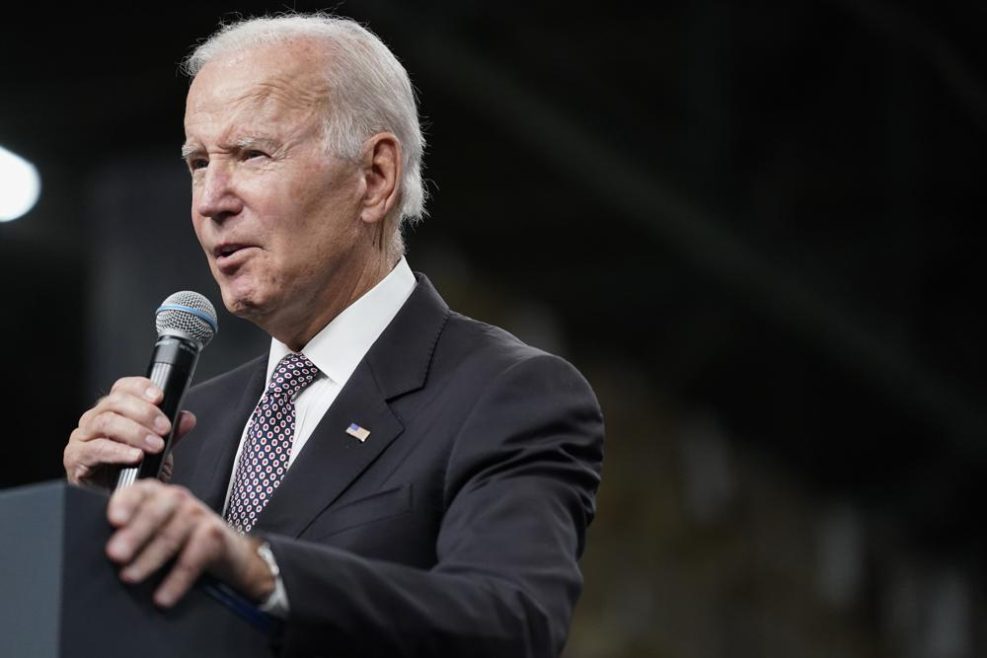
Biden: Nuclear ‘Armageddon’ risk highest since ’62 crisis

NEW YORK (AP) — President Joe Biden said Thursday that the risk of nuclear “Armageddon” is at the highest level since the 1962 Cuban Missile Crisis, as Russian officials speak of the possibility of using tactical nuclear weapons after suffering massive setbacks in the eight-month invasion of Ukraine.

Speaking at a fundraiser for the Democratic Senatorial Campaign Committee, Biden said Russian President Vladimir Putin was “a guy I know fairly well” and the Russian leader was “not joking when he talks about the use of tactical nuclear weapons or biological or chemical weapons.”

Biden added, “We have not faced the prospect of Armageddon since Kennedy and the Cuban Missile Crisis.” He suggested the threat from Putin is real “because his military is — you might say — significantly underperforming.”

U.S. officials for months have warned of the prospect that Russia could use weapons of mass destruction in Ukraine as it has faced a series of strategic setbacks on the battlefield, though Biden’s remarks marked the starkest warnings yet issued by the U.S. government about the nuclear stakes.

It was not immediately clear whether Biden was referring to any new assessment of Russian intentions. As recently as this week, though, U.S. officials have said they have seen no change to Russia’s nuclear forces that would require a change in the alert posture of U.S. nuclear forces.

“We have not seen any reason to adjust our own strategic nuclear posture, nor do we have indication that Russia is preparing to imminently use nuclear weapons,” White House press secretary Karine Jean-Pierre said Tuesday.

The 13-day showdown in 1962 that followed the U.S. discovery of the Soviet Union’s secret deployment of nuclear weapons to Cuba is regarded by experts as the closest the world has ever come to nuclear annihilation. The crisis during President John F. Kennedy’s administration sparked a renewed focus on arms control on both sides of the Iron Curtain.

Biden also challenged Russian nuclear doctrine, warning that the use of a lower-yield tactical weapon could quickly spiral out of control into global destruction.

“I don’t think there is any such a thing as the ability to easily use a tactical nuclear weapon and not end up with Armageddon,” Biden said.

He added that he was still “trying to figure” out Putin’s “off-ramp” in Ukraine.

“Where does he find a way out?” Biden asked. “Where does he find himself in a position that he does not not only lose face but lose significant power within Russia?”

Putin has repeatedly alluded to using his country’s vast nuclear arsenal, including last month when he announced plans to conscript Russian men to serve in Ukraine.

“I want to remind you that our country also has various means of destruction … and when the territorial integrity of our country is threatened, to protect Russia and our people, we will certainly use all the means at our disposal,” Putin said Sept. 21, adding with a lingering stare at the camera, “It’s not a bluff.”

White House national security adviser Jake Sullivan said last week that the U.S. has been “clear” to Russia about what the “consequences” of using a nuclear weapon in Ukraine would be.

“This is something that we are attuned to, taking very seriously, and communicating directly with Russia about, including the kind of decisive responses the United States would have if they went down that dark road,” Sullivan said.

Ukraine President Volodymyr Zelenskyy said earlier Thursday that Putin understood that the “world will never forgive” a Russian nuclear strike.

“He understands that after the use of nuclear weapons he would be unable any more to preserve, so to speak, his life, and I’m confident of that,” Zelenskyy said.

Biden’s comments came during a private fundraiser for Democratic Senate candidates at the Manhattan home of James and Kathryn Murdoch. He tends to be more unguarded — often speaking with just rough notes — in such settings, which are open only to a handful of reporters without cameras or recording devices.

Campaigner sued by Princess Pilolevu appeals for ‘urgent’ financial supports to pay legal expenses

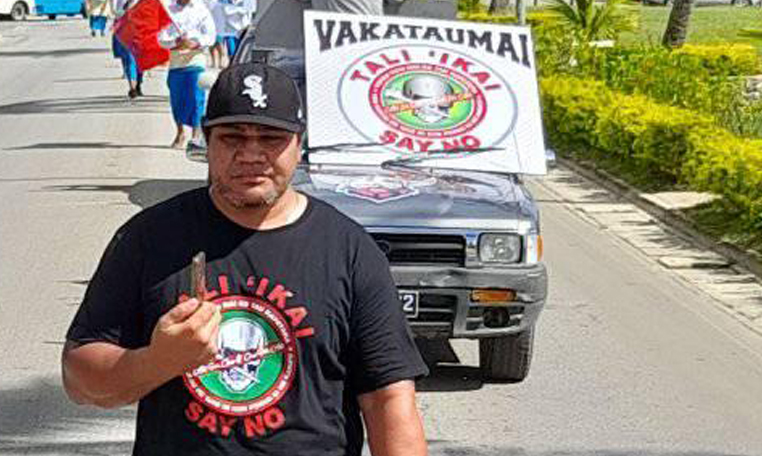
The Tongan crusader of ‘Say no to drugs’ campaign is appealing to his supporters for more money to help fund his legal costs.

Afimeimo’unga Hola

Anti-drugs Campaigner Afimeimo’unga Hola said he needed it urgently for this Friday.

He said he would use the money to cover legal expenses of his two remaining civil court cases filed by the Princess and an Indian businessman.

Hola also said the decision for the defamation lawsuit filed against him by Deputy Prime Minister Sāmiu Vaipulu is expected to be announced on Tuesday next week. Lawyer Clive Edwards Senior and another Indian businessman sued Hola but he said the duo had cancelled the legal actions.

It comes after the Princess sued Hola following an allegation he made during his national anti-drugs campaign.

The allegations triggered others including Hon Vaipulu, Edwards and the Indian business operators to sue Hola.

The Princess had described the allegations as lies and is suing Hola for TOP$10,000.

Hola was widely supported by the PTOA Kolope Foundation (Democrats) supporters with chapters from the US, New Zealand and Australia raising TOP$22,000 to pay for his lawyers and legal fees last year.

Hola was at the centre of media attention last year as a former user who has become an anti-drugs campaigner, working with school children and warning them of the evil nature of the trade.

He had been described as the first major crusader against drugs in Tonga

He was previously banned by the courts from using Facebook and the internet while his cases were before the magistrate’s court.