By Pacific correspondent Barbara Dreaver of One News. This story is republished with permission.
The Commerce Commission is investigating a number of possible pyramid schemes involving registered companies targeting Tongans in churches, community groups and families across Auckland.
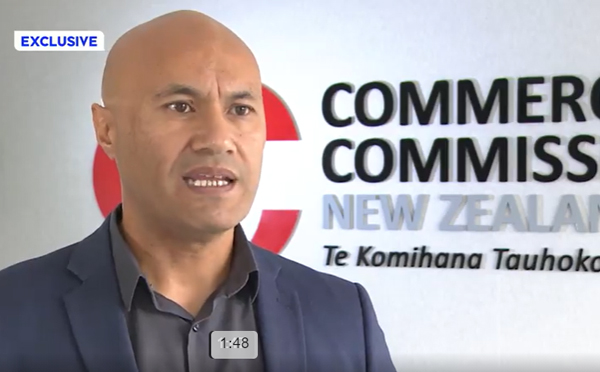
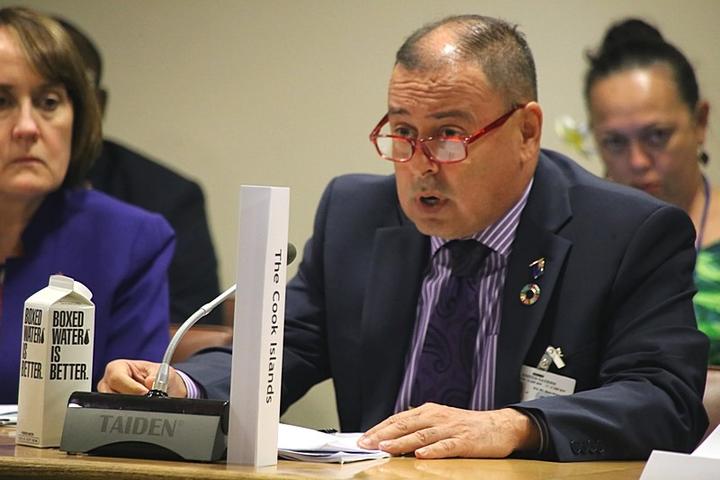
Commerce Commission’s Joseph Liava’a. Photo/Screenshot, One News
The Commission has received a number of complaints, but 1 NEWS understands many in the Pasifika community have been affected.
It’s believed hundreds of Tongans in Auckland have lost money through a number of schemes with the lure of a big return in a short amount of time. In one video trying to get recruits, one man Tomasi Patuki encourages those at a meeting to join a new group.
“I’ve suffered, you suffered, everyone has suffered but there’s always a loophole and this is the loophole, people,” he says.
“We are a registered company, we only started little but we’re growing very, very fast. I can guarantee you guys to join us ‘cause the money will be paid,” a woman can be heard saying in the clip.
While some have earned money, it’s not true for most who sign up to the schemes, which are presented as gifting programmes or investments.
“I am so sad. It’s like they are stealing from us as Tongans. The thing I want now – I just want my money back,” said one victim, who did not wish to be identified.
People are promised if they put in money, they will receive large amounts of cash quickly but it relies on them bringing in recruits and their cash is gifted to the people above them. When pyramid schemes typically collapse, the people further down get nothing.
“If you need to recruit people in order to make money and there’s no real product or service involved, it’s probably an illegal pyramid scheme – don’t risk it,” the Commerce Commission’s Joseph Liava’a warned.
The schemes are running rampant in Auckland’s Tongan community with recruiting and meetings taking place in McDonald’s, church halls and in private homes.
Even on a Facebook messenger group set up by victims fighting to get their money back there was active recruiting trying to lure those in the group into yet another scheme.
Many of the groups are set up using a registered company and supposed contracts – like the one running out of takeaway bar Haamongaa Maui in Ōtāhuhu.
Another victim, who did not wish to be identified, said she saw the contract when which made her believe it was legitimate when she signed up at the takeaway outlet.
“I saw the paper and it makes me believe this is true, it’s going to happen because they let me sign, we made an agreement,” she said.
Legal experts 1 NEWS spoke to say the contract itself does not appear to make sense, with some of it in complete gibberish.
1 NEWS spoke to a number of victims who have dealt with Sita Tu’ima and her Golden Gifting Group.
“They said to us, ‘Don’t stress, just join. You will get your money, don’t worry’,” the first victim said. “After, when I tried to ring them, they said, ‘Oh sorry, something wrong, work it out in a few days’. Since then, I keep chasing and chasing and still nothing.”
Tuima denies she’s part of a pyramid scheme and claims it’s a gifting programme.
She told 1 NEWS that people lost money because they didn’t bring in recruits or left without passing cash on to the people above them.
She says she’s joined another gifting programme so she can refund those who paid her.
People 1 NEWS have spoken to say no refund has been forthcoming.
Instead, they’ve lost trust and cash they didn’t have to begin with.
FAKAMATALA FAKATONGA
Kuo fakatotolo’i ‘eni ‘e he Komisoni Komeesi ‘a Nu’u Sila’ ‘a e ngali kuo mafola ‘a e fo’i mōtolo fakapisinisi ‘oku lahi mole ai ha pa’anga lahi ‘a ha kakai ‘a ia ‘oku ‘iloa ko e sikimi pilamita pe pyramid scheme ‘i he komiuniti Tonga’ mo Nu’u Sila’ ni foki. ‘Oku lahi hono ngāue’aki ‘e he kau Tonga ‘a e mōtolo ko ‘eni , tatau pe ‘i Nu’u Sila, ‘Aositelelia, ‘Amelika mo Tonga ‘o fakalea ko e lī pa’anga ‘o nau uki ‘enau kakai ke tipositi ha pa’anga taki $500 pe $750 ‘a e tokotaha kae palomesi ko ‘ene ‘osi ha taimi nounou pe te nau toho leva ‘a e pa’anga ‘oku lahi fau taki $3,000 pea 5,000 atu e fa’ahinga. ‘I he lao ‘a Nu’u Sila ni’ tatau pe mo Tonga, ‘oku tapui ke ngāue’aki ‘a e mōtolo’ ni he ‘oku ‘ikai mo’oni ‘e ma’u kotoa ‘e kinautolu ‘oku fakahū pa’anga ai ha pa’anga lahi pehee. Ne ‘osi toutou lipooti ‘eni ‘e he Kaniva’ ki mu’a, pea ‘oatu ai ‘a e fo’i fakamatala nounou ke te mahino’i ‘aki ‘a e mōtolo ko eni ‘a ia ko e fakamatala pe ia ‘oku fale’i mai ‘e he Komisoni ko eni ‘a Nu’u Sila. ‘A ia ‘oku peheni – kapau ‘e uki atu ha li pe fakahū pa’anga natula fakatupu peheni ka ko e founga ‘e ma’u ai ‘ete tupu lahi kuo palōmesi’ ‘ ko e ma’u pe mei he lahi ‘o e sea ‘o ha kakai te te fakahū ke kau ki he li pe tipōsiti pa’anga ko ia’, pea ke fakamama’o he vave taha’ mei ai ‘e ‘ikai ke mo’oni ia. ‘Oku ngāue’aki ‘e he kakai Tonga ‘a e mōtolo ko ‘eni ‘o ui ko e li pa’anga pea ‘i ai mo e ngaahi hingoa kehe ‘oku fakahingoa’aki ke ongo lelei hangē ko e Golden Gifting ‘i Nu’u Sila’ ka ko e mōtolo tatau pe. ‘A ia ‘oku tapui he kuo ‘osi fakamo’oni’i fakamāmani lahi ‘oku ‘ikai ngāue ia ‘o hangē ko hono malanga’i’. ‘Oku malava pe ke ma’u ha pa’anga ‘a ha ni’ihi tokosi’i tautefito ki he kamakamata ‘o e fa’ahinga sikiimi ko ‘eni’ ka ‘e ‘ikai fuoloa kuo ha’ulu ia ‘o iku ki he mole ‘osi ‘enau pa’anga’ he ‘e ‘ikai kei ma’u ha kakai ia ke omi ‘o fai e fo’i fakapa’anga ko eni’. Ko e me’a ia ‘oku ui ai ko e pilamita’ he ko e ki’i ni’ihi tokosi’i pe ‘i ‘olunga ‘e ala ‘uluaki vahe ‘o ma’u ha’anau seniti ka ko e ‘aho ‘e holafa ai ‘a e pilamita ni ko e kakai ‘i lalo’ ‘a ia ko e tokolahi taha’ kinautolu’ ‘e ‘ikai pe ma’u ‘enau pa’anga’ ‘a kinautolu. Kuo ‘osi senituli ‘a e fa’ahinga mōtolo ko ‘eni talu hono ‘ilo ‘i ‘Iulope he senituli kuo ‘osi pea kuo ‘osi toutou fakamo’oni’i ‘ene palopalema’ pea ko e me’a ia ‘oku tapui ai he lao ‘a e ngaahi fonua lahi. ‘Oku mahino foki ki he Kaniva’ kuo ‘osi palopalema lahi ‘a e ngaahi kulupu peheni ‘a e kakai Tonga’ he lolotonga’ ni pea ‘oku lahi ‘a e fehanuaki kuo ‘ikai toe lava ia ke totongi fakafoki e pa’anga ‘a e kakai pea launga e tokolahi ka kuo ‘ikai toe ma’u ‘enau pa’anga ne fakahuu pe ko ia ne palomesi ange’.
Minister of Infrastructure ‘Akosita Lavulavu’s latest attack on Kaniva News and our right to hold her to account appear to stem from stress over the two separate serious fraud cases she is expected to face on Monday March 29 and April 12 .
Hon. ‘Akosita and her husband ‘Etuate Lavulavu
In her latest statement on VPON media, ‘Akosita has repeated herself several times in her latest attack on the roles of the media and the opposition party. She also downplayed how much Tongan Parliamentarians can learn from the New Zealand Parliament about how its MPs have behaved in similar circumstances.
In New Zealand, Australia and other Parliaments it would be expected that MPs facing such serious charges would step down, even temporarily, for the good of the party and so as not to besmirch the name of Parliament.
‘Akosita and her husband ‘Etuate face charges of knowingly dealing with forged documents and obtaining credit by false pretenses, after irregularities were found in an audit of the ‘Unuaki ‘o Tonga Royal Institute in 2016 and a land lease complaint in 2020. She did not deny these charges in her attack on Kaniva.
There were more serious accusations in Kaniva’s article on Wednesday about the various court rulings against ‘Etuate in Tonga as well as in the United States. ‘Akosita did not deny this. Instead, she kept asking for the legal basis for the calls we and Opposition Leader Semisi Sika have made for her to resign. We have already told her it was our responsibility to do so.
Contradictory
In our second story, which was a commentary, we made our argument clear:
“There does not have to be a court judgement to be made for a Cabinet Minister to resign once they come under the spotlight. The Tongan courts have no constitutional power to order her to resign. The mere fact that she has been accused and charged with two separate fraud cases, not just one, was enough for her to resign.”
Ironically, ‘Akosita did answer her own question by admitting that Sika has a right to call on her to resign in his role as an MP and citizen of Tonga.
In the Minister’s own words: “Semisi Sika is entitled to do so [call for her resignation] as a member of the parliament or citizen of Tonga.”
However, she claimed we were wrong in saying that Sika was the Leader of the Opposition Party because Tonga did not have a party system government. She was wrong.
Tonga People’s Party Inc (TPPI) and PTOA Party
The Tongan constitution does not say that Tonga has a formal party system of government. Technically, however, the party system does exist and is recognised in Tonga and in the international level. It has been referred to as such in legal documents, been recorded in the Parliament’s Hansards and quoted by local and international media as well as leaders of Tonga and overseas countries.
‘Akosita should know this well because she and her husband ‘Etuate Lavulavu were founding members of the Tonga People’s Party. This Party was formalised and registered with the Tonga government in January 2020, according to ‘Akosita’s husband ‘Etuate. There was also the PTOA party.
On page 4 of the TPPI manifesto there is this statement and I quote: “In the current Parliament, TPPI has 18 affiliated MPs and the opposite party of Paati Temokalati Otumotu Anga’ofa (PTOA) has only 9 MPs.” This manifesto has become a legal document.
So ‘Akosita and VPON’s argument that Tonga does not have a party system is flawed.
The Opposition Party
It is now normal practice that whenever the Prime Minister and his executive Cabinet are elected and have a supporting bench in Parliament the rest of the MPs in the Legislative Assembly became the Opposition, with somebody they chose as their leader.
The name Opposition Leader was first given to Late Democratic Leader ‘Akilisi Pohiva. It was quoted by various international media including the Australian newspaper the Age. The Australian Parliament reported in 2004: “Opposition Leader ‘Akilisi Pohiva commands 70 per cent popular support and would be Prime Minister in a conventional democracy.”
After Pohiva’s death Radio New Zealand referred to him as Opposition Leader: “He (‘Akilisi) was without question the best opposition leader Tonga ever had.” After Pohiva’s death he was replaced by Sika and again Sika was referred to as Opposition Leader.
NZ and Tongan parliament exchanges
In our Commentary we gave examples of Ministers in New Zealand and Australia who voluntarily resigned because they believed their continuation in the roles while they were being accused was the kind of distraction their government did not want.
We mentioned that to highlight the ground and basis for their voluntary resignation after they had been accused or linked to allegations or corruptions. They resigned without going to court to clear their names. We said ‘Akosita could learn a lesson from the two countries.
The New Zealand and Tonga Parliaments have visited each other in the past; the last time in 2020 when the Speaker, Lord Fakafanua, led a Tongan delegation to New Zealand .
Lord Fakafanua told Radio New Zealand at the time that “a lot of experience and knowledge of the New Zealand Members of Parliament was a great resource for Tonga “to tap into”.
Lord Fakafanua said he thought the most important thing to take away with them was “New Zealand Parliament’s commitment toward strengthening democratic processes and sharing those ideals and values”.
This was why our Commentary on Thursday suggested that ‘Akosita should learn from Australian and New Zealand ministers who voluntarily resigned in the past. These are the good values and ideals Tongan MPs need to learn from New Zealand and it was our role as media to remind ‘Akosita of that.
When she has serious two accusations laid against her, the decent thing to do would be to resign.
Tongan Ministers’ resignations
Tongan ministers who have resigned in the past including the Minister of Justice ‘Alisi Taumoepeau in 2010, Prime Minister ‘Ulukālala Lavaka Ata, who is the current king, in 2006 and Finance Minister Cecil Cocker in 1995. They resigned because they had been linked to allegations which were not good for the government of the day.
‘Akosita should remember that Cocker resigned from his ministerial position after he was at the centre of an allegation which linked to a cocktail party in New Zealand.
‘Akosita asked why Kaniva did not call on Sika to resign when, in 2016, the Supreme Court rules he “acted unlawfully when he advised the plaintiffs that their appointments on the Board of the Authority had ended.” ‘Akosita accused Kaniva of being biased in calling her to resign while we did not call on Sika to resign.
Court penalises ‘Akosita
A simple pattern can help explain this situation for the Minister. Opposition Leader Sika made a comment to Kaniva News on Wednesday calling on her to resign, which we reported. No one in the Opposition in 2016 told Kaniva News they wanted Sika to resign, but we did report Sika’s case at the time.
The point is, we didn’t call on Sika to resign after his decision was quashed by the court in 2016, and we also didn’t call on ‘Akosita to resign after the court imposed her penalty in 2020.
‘Akosita’s case, in which she was penalised by the court for unlawfully denying whale watching licenses to a group of companies was only raised in Thursday’s commentary in an attempt to shed light on her implication that only a court decision could justify a resignation.
FAKAMATALA FAKA-TONGA
‘Oku mahino ‘i hono toutou ‘ohofi ‘e he Ministā ki he Ngaahi Ngāue Lalahi’ e Ongoongo ‘a e Kaniva’ mo e Taki ‘o e Fa’ahi Fakaanga’ ‘oku ‘ikai ha poini ia ka ko e lahi pe situlesi he fefine’ ni tu’unga he’ene ongo fu’u hopo lalahi ‘e ua ‘e kamata ‘apongipongi ‘ pea ‘oku ‘ikai ke tau fakaanga he ta ko e me’a ia ne fakafisi pehē ai pe kau minisitā ‘a Tonga’ ki mu’a’. Ko e ongo tukuaki’i mamafa ‘eni ‘o ‘Akosita mo hono hoa’ ‘Etuate Lavulavu ki he liliu loi ha ngaahi pepa ke na kaiha’asi’aki ha fu’u pa’anga lahi mei he tukuhau ‘a e fonua’, pea mo e tukuaki’i ki hono fa’u ha fakamalata loi ke lohiaki’i’aki ha lisi kelekeleke ki he Potungāue Fonua’. ‘Oku toe fepakipaki e fakamatala ‘a e minisitaa’ ni mo ‘ene ngaahi fehu’i kuo fai ki he Kaniva’. Fehu’i pe ia pea ne toe tali pe ‘a e tali totonu ki he’ene fehu’i ne fai’. ‘Ohofi ‘e ia ongoongo’ ni hono fokotu’u atu ‘e Sēmisi Sika ke fakafisi’. Pea ne mau ‘osi tala atu ki ai ko e ngafa totonu ia ‘o e Fa’ahi Fakaanga’ ke fai ‘a e fokotu’u ko ia (to hold her to account) pea ko e fatongia mo ia ‘o e mitia’ ke tuku atu ki he kakai’ e fakakaukau ‘a e Taki Fa’ahi Fakaanga’. ‘Ohofi ia ‘e ia mo ‘eke pe ko e ha ‘emau totonu fakalao pea ko e ha e makatu’unga fakalao ke fakafisi ai. ‘Osi pe kuo ne toe tala mai ‘oku ne fakapa’apa’i peseti ‘e 100 ko ā e mitia’. Ka ko ‘ene ‘ohofi e Kaniva’ ‘aki e fanga ki’i poini fulufulu’i moa’ ‘oku ‘ikai ko ha faka’apa’apa ia ki he mitia’. Tala mai ‘e ia ‘oku ‘ikai ko ha taki ‘a Sika ia ‘o e Fa’ahi Fakaanga’ he ‘oku ‘ikai ha sisitemi fakapaati ia ‘a Tonga. ‘Osi ko ia’ ko ‘ena paati ‘ena mo hono mali kuo ‘osi lesisita ‘o ui ko e Paati ‘a e Kakai’ ‘o Tokoni Sea ai ‘a ‘Etu pea mēmipa ai ‘a Sita. ‘Oku ‘ikai tala mai ‘e he konisitutone ia ‘a Tonga ko ha sisitemi fakapaati ‘a e pule’anga’ ka ‘oku ‘ikai tapu ia ke fokotu’u paati ai mo ngāue atu ‘aki ‘e ha taha hangē ko e mitia’ ‘a e ngaahi hingoa fakapaati hangē ko e Taki ‘O e Fa’ahi Fakaanga’ ki he kau Fakafofonga Falea Alea’. Tala mai ‘e ia mo e VĪPONI’ ke tuku e fakatatau ia ki he fakafisi ‘a e kau minisitā ‘a Nu’u Sila’ mo ‘Aositelēlia’ he ‘oku kehe pe kinaua ia mei Tonga pea ‘e ‘ikai ke fakafisi ha minisitā ‘i Tonga koe’uhī ko ha fakafisi ‘a ha minisitā ‘i Nu’u Sila. Mio’i ‘e ia ‘emau ongoongo ke tu’u kehe. Ko e me’a ne fokotu’u atu ke ne ako mei he fakafisi ‘a e kau minisitā ‘a e ongo fonua’ ni. He kuo ‘osi ha’iha’i ‘a e ongo Fale Alea’ ni tautefito ki Tonga mo Nu’u Sila ke na feako’aki. Pea kuo ‘osi fe’a’ahi’aki ‘a e ongo Fale Alea’ ni he kuohili’ pea ko e fakamuimui taha’ ko e ta’u kuo ‘osi ne ‘i heni ai ‘i Nu’u Sila ‘a e Sea Looti Fakafanua mo ‘ene timi ko e omi ke ako he ngaahi tō’onga, angafai mo e founga ‘a e kau Fale Alea Nu’u Sila. ‘Ilo pe ia ‘e Sita he ne ‘osi kau mai he ‘a’ahi ‘e taha ki mu’a ka ko e mahalo lahi pe situlesi he teu hopo’. Me’a ‘e taha ke ne manatu’i na’e fakafisi ‘a e Minisitā Pa’anga ‘a Tonga he 1995 ko Cecil Cocker tu’unga ‘i ha tukuaki’i mamafa kiate ia ‘i ha paati ne fai ‘i Nu’u Sila ni. Sio ki he poini. Ko e me’a ‘e hoko ‘i Nu’u Sila’ ‘e ‘ikai faka’ata’atā ‘a Tonga ia mei ai. ‘Oku ako ‘a Tonga mei Nu’u Sila, mo’ui he pa’anga ‘a Nu’u Sila ko e hā kuo ‘ai ia ke kehe ‘enau founga ki he fakafisi? Pea ko e kau minisitā ne fakafisi ‘i Tonga’ hangē pe ko Nu’u Sila’ kau ai ‘a Cocker, Minisitā Lao ‘o e 2010, mo e Palēmia ‘o e 2006 ‘a ia ko e tama tu’i ia ‘o e ‘aho ni’ ne ‘ikai ke nau toe ō ki he fakamaau’anga’ ke ‘eke ai ha’anau totonu ka ko ‘enau fakafisi pe tu’unga ‘i hono tukuaki’i kinautolu’. Ka ‘oku vivili mai ia ‘oku ‘ikai ha makatu’unga fakalao ia ke fakafisi. Ko ‘ene tukuaki’i mamafa pe taha ko e ava mai ia ‘a e matapā kiate ia ke lue ki ‘api’. Angamaheni’ ‘oku makatu’unga pe he mamafa ‘o e tukuaki’i tautefito ki he ongo keisi ‘a ‘Akosita’ he ‘oku iku ia ki he Fakamaau’anga Lahi’. Ka ko e founga ia ki ha kau minisitā kuo tukuaki’i, fiema’u ia ke nau male’ei ki tafa’aki ō ‘o teuteu ‘enau hopo’ kae ‘atā e Sea mo e ‘ōfisi ‘a e pule’anga ‘o e kakai’ ia ke ha’u ha taha kehe ki ai ‘oku ‘ikai uesia ‘ene mo’ui mo hono ‘atamai’ koe‘uhi ko hono tukuaki’i’. Tala mai ‘e Sita ‘oku paiasi ko ā e Kaniva’ hono lipooti ke fakafisi hili ko ia’ ne ‘ikai ke mau fai pehē hili hono fakahā ‘e he fakamaau’anga’ ne maumau’i ‘e Sika ‘a e lao’ ‘i he tu’utu’uni na’a ne fai fekau’aki mo e kau talekita poate Takimamata’ he 2016. Ko e ki’i pēteni faingofua ‘eni ke fakahinohino’aki e minisitaa’ ke mahino lelei ki ai e me’a ni. Ko Sika na’a ne fai e komeni ‘i he Kaniva’ ‘i hono lakanga ko e Taki ‘O e Fa’ahi Fakaanga’ ‘o ne ui kia Sita ke fakafisi. Na’e ‘ikai ko ha fakakaukau ia ‘a e Kaniva’. Pea ‘i hono li atu e pēteni ko ‘eni ki he keisi ‘a Sika he 2016 ‘oku peheni, na’e ‘ikai ha taha ia mei he Fa’ahi Fakaanga ‘o e ‘aho ko ia’ te ne fokotu’u mai ki he Kaniva’ ha’ane fakakaukau ke mau lipooti ke fakafisi ‘a Sika. ‘Ikai ko ia pe ne ‘ikai ke fokotu’u atu ia ‘e he Kaniva’ ‘i he ta’u ni ke fakafisi ‘a Sita mei hono lakanga’ tu’unga hono tautea’i ia ‘e he fakamaau’anga ki he’ene maumau’i e lao ‘a e fonua’ ‘ikai foaki ‘a e ngaahi laiseni ki he mamata’anga tofua’a’ ki ha ngaahi kautaha. ‘A ia ‘oku fetamate’aki pe ia. Na’e ‘ikai ha’amau lipooti ke fakafisi ‘a Sika he’ene maumau lao he 2016 pea ne ‘ikai ha’amau lipooti ke fakafisi ‘a Sita he’ene maumaulao he 2020. Ko e toki lipooti atu pe ‘eni ‘i he’ene keisi tukuaki’i tohinima loi’ pea ‘oku ‘i ai pe makatu’unga lelei ki ai he ‘oku fu’u mamafa faufaua ‘a e tukuaki’i ko ia’.
In light of recent media reports that the Courts are imposing more suspended sentences due to overcrowding in Tonga’s prison system, the following clarification is provided for the information of the public and better understanding:
The Courts do not suspend sentences because of prison overcrowding.
Provision of adequate prison facilities and related services is the responsibility of the Executive Government.
Upholding the rule of law and administering justice in the Kingdom is the responsibility of the Judiciary and the Courts.
Suspended sentences are considered and imposed in accordance with relevant statutory provisions enacted by Parliament and principles established by the Court of Appeal. Those laws and principles are referred to and applied in the judgments of the Courts.
Save in exceptional circumstances, those judgments and full reasons for the sentences imposed are routinely published on the websites of the Attorney General’s Office (ago.gov.to) and the Pacific Islands Legal Information Institute (paclii.org) and are thus matters of public knowledge.
The relevant considerations and principles on whether a sentence of imprisonment should be suspended wholly or in part include:
A suspended sentence is intended to have a strong deterrent effect.
If the offender is incapable of responding to a deterrent, a suspended sentence should not be imposed.
Whether the offender is young, has a previous good record, or has had a long period free of criminal activity.
Whether the offender is likely to take the opportunity offered by the sentence to rehabilitate him or herself.
Where, despite the gravity of the offence, there is some diminution of culpability such as a lack of premeditation, the presence of provocation, or coercion by a co-offender.
Whether the defendant has cooperated with the authorities.
Suspended sentences are almost always imposed upon specified conditions such as probation, completion of rehabilitation programs and/or community service. Any breach of those conditions may result in the suspension being rescinded and the offender being required to serve the period of imprisonment.
Michael Whitten QC
Lord Chief Justice of the Kingdom of Tonga
26 March 2021
Tongan girls are becoming pregnant due to ignorance about contraception, male partner’s refusal to wear condoms and conservative social attitudes, according to a new report.
• The report, Unplanned Adolescent Pregnancy in the Pacific: Tonga, said cultural, religious and social conventions in Tonga made it hard for women to talk about the issues.
The report, Unplanned Adolescent Pregnancy in the Pacific: Tonga, said rates of unplanned adolescent pregnancy were high in many Pacific Islands countries.
The report said young women needed proper sex education, but said the lack of balance in power between girls and often older men needed to be addressed.
The report said that researchers found that cultural, religious and social conventions in Tonga made it hard for both younger and older women to talk openly about sexual and reproductive health, contraception and abortion.
Researchers from the University of New South Wales interviewed girls aged between 16-19 who had become pregnant about their experiences as well as older women who were encouraged to talk about their knowledge of local practices.
The university team interviewed 26 people in Tongatapu, Vava’u and Ha’apai.
School
All the young participants were either still in high school or had recently graduated when they found out they were pregnant.
Fear of telling their parents was widespread.
The report said poor availability of contraception, lack of information and lack of control over their own bodies could lead to unplanned adolescent pregnancies.
Much of the writing on teenage pregnancy came from a western viewpoint and focused on clinical services to reduce adolescent fertility.
However, it had been argued that the health and wellbeing of adolescent mothers in the Pacific would be better served by attention to cultural and social features of the society.
Knowledge about contraception and sexual and reproductive health was low among the young women interviewed.
“Most of them knew they could become pregnant from having unprotected sex, but for some reason did not think they would become pregnant when they were having unprotected sex with the father of their child,” the report said.
Facebook
Sources of reliable information about sexual and reproductive health and contraception were limited. Many participants said the only things they knew were what they had seen on Facebook, on YouTube and in movies.
Some of the young participants were aware of contraceptives and where they could get them, but were put off by the problem of trying to keep it private.
Of the young participants who did mention the use of contraception (almost exclusively condoms), it was used erratically at the sole discretion of their male partner.
Having an abortion was one of the first thoughts for many of the participants. Most girls had heard that there were ways to abort a pregnancy, but few were sure of exactly what to do.
Many of the teenage mothers wanted to get back to school, complete their education and get a job or move on to higher education. This also appeared to be factor for a number of parents of the pregnant teenagers.
This seems to played a part in arrangements to have a child adopted by a close relative.
Education
The report said young women needed to be supported with proper sex education. It suggested that this could be effective if it was offered to girls and older women together.
“Sexual and reproductive health and contraceptive education for young girls may be more acceptable if it is delivered in a forum that enables the older women to take some ownership of the process,” the report said.
“The hosting of small mother-and-daughter group meetings or workshops may improve, and begin to normalise, dialogue between mothers and their daughters on matters of sex, gender and relationships.”
However, the report said the issue of contraceptive use needed to be approached from several angles, including gender equality.. The fact that the decision to use contraception was usually the man’s represented an unfair imbalance in the power between the people involved.
FAKAMATALA FAKATONGA
Fokotu’u ‘e ha lipooti hili ha fakatotolo fakaako ‘i Tonga kuo taimi ke vakai’i e lao mo e tukufakaholo ‘a e fonua’ hangē ko e tapu ‘o e fakatōtama’ mo e tapu ke talanoa’i e ngaahi me’a fakaepo’uli ‘a e ongo me’amali’ ke mahino ki he fānau fefine’. Ko e taha ‘eni ia e ngaahi tapu tuku fakaholo’. Ka kuo lahi e taonakita ‘a e fānau fefine’ mo e feinga ‘i he ngaahi founga fakalilifu kehekehe ke fakatooki ‘a e pēpee’ tu’unga he ilifia he feitama’. Ni’ihi puna mei he feitu’u mā’olunga pea ni’ihi inu ha me’a pe ‘oku ala ke ne fakatooki ‘a e pepee’ hange ko e piliu’. Pea ‘ikai foki mahino lelei pe faingamalie ke ngāue’aki ‘a e ngaahi me’a malu’i kapau te nau ‘unoho mo ha tangata.
A widespread Pacific civil society call for a global ban on deep sea mining activity has been launched.
The Pacific Regional NGO Alliance of church and civil society groups kickstarted their campaign to stop deep sea mining yesterday in Fiji.
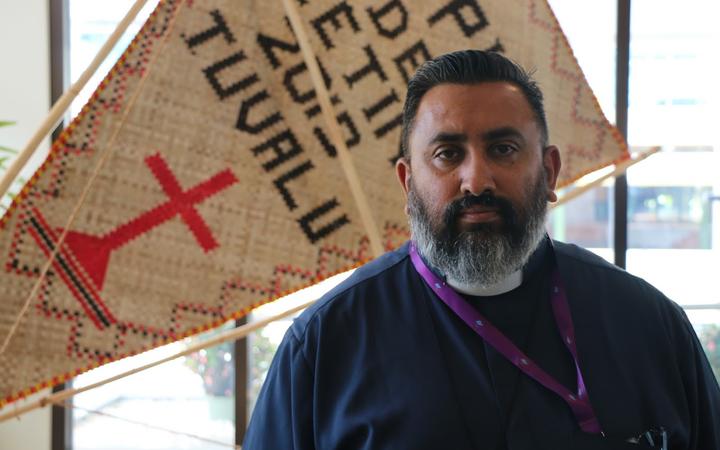
The general secretary of the Pacific Council of Churches, James Bhagwan. Photo: RNZ / Jamie Tahana
Their Blue Line Statement says that as custodians of the world’s biggest ocean, Pacific peoples have a moral obligation to protect it against exploitation and destruction.
However, a number of Pacific governments including Cook Islands and Nauru have backed exploration activities by companies spearheading the embryonic deepsea mining sector.
Opening the Blue Line launch, the Secretary General of the Pacific Conference of Churches, Reverend James Bhagwan said governments and companies claiming there would be minimal damage to the ocean from deep sea mining ran the risk of being on the wrong side of history.
“That which is actually know about our ocean depths actually runs contrary to the push for deep sea mining,” Bhagwan said.
“Scientists regularly warn against the devastating and irreversible damage to ecosystems and habitats; the resulting biodoversity loss, including of many known endemic species and others yet to be identified, that will be affected and most likely will never recover; the risk of giant sediment plumes travelling beyond the mining sites, smothering and potentially destroying all life forms on the sea floor.”
The coordinator of the Pacific Network on Globalization, Maureen Penjueli, told the campaign launch that scientists have given clear warnings about damage to oceans and the link to climate change.
“Recently they warned us about the carbon storage facilities of our ocean floor itself. Recovery of biodiversity destruction would be something that would not happen in human timelines.”
She said the Pacific Ocean had long been viewed by external powers as a kind of “anti-space” or void.
“A space in which great tests and experiments have taken place, first for world peace.
“In the past it was used as the proving ground for nuclear weapons. Our people drew a Blue Pacific Line and said never again.”
She said the advocates of deep sea mining were now presenting the industry as neccessary for the world’s fight against climate change under “false narratives of green technological revolution”.
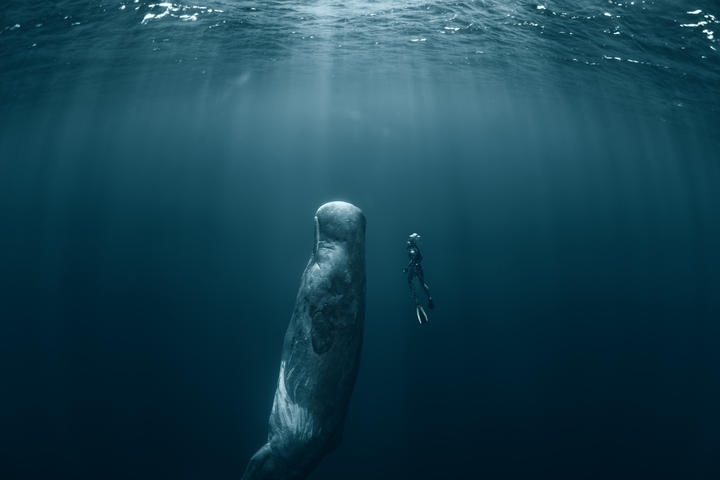
The Deep Sea Mining Campaign warns that if nodule mining is allowed to take place in the Pacific Ocean, species such as the Sperm Whale could be adversely affected. Photo: WILLYAM
Companies such as DeepGreen Metals, which is looking to mine parts of the Pacific, say the world needs polymetallic nodules on the seabed for materials to make batteries for electric vehicles that will drive the carbon-free societies of the future.
Bhagwan described this argument as spurious, saying the minerals needed could be sourced from better recycling efforts and land-based resources.
In a recent interview with RNZ Pacific, the Cook Islands prime minister Mark Brown denied that his country was gambling with ocean health by opening up for deep sea mining exploration.
Economic strains caused by the pandemic have highlighted the need for Cook Islands to diversify its tourism-reliant economy.
The Cook Islands’ roughly two million square kilometres of Exclusive Economic Zone contains an estimated 10 billion tonnes of polymetallic nodules, rich in manganese, nickel, copper, cobalt and rare earth minerals.
Bhagwan noted that decades ago land-based mining also began with promises of economic and social benefits for Pacific people.
“And our lived experiences in the Pacific show clearly that the powerful corporations benefit the most while it is our people who bear the costs of destruction of our natural environment.
“Across resource frontiers of our region, history records this deception time and again.”
Cook Islands Prime Minister Mark Brown Photo: Cook Islands Ministry of Foreign Affairs & Immigration
Tuvalu’s former prime minister, Enele Sopoaga who attended the online launch, said countries inviting seabed exploration were opening up a huge range of problems for ocean health.
“Soon they will be coming to Tuvalu, especially the vulnerable economies looking for the extra dollar. No. This is not on as long as I am in the parliament of Tuvalu.
“I will use all my energy to stop this mad idea about mining the seabed.”
Sopoaga is also calling for an end to the shipment of nuclear waste and disposal of plastics.
The new CEO of the Tonga Rugby Union is on a mission to restore confidence in the country’s national sport.
Peter Harding spent four years as General Manager of High Performance with the TRU, before departing in 2016 when a new administration was voted in.
Photo: Tonga Rugby Union
Since then he worked as a rugby consultant in Africa and Asia but said his passion for Tonga never left.
“My family’s been in Tonga since 2012 and my son’s nine and he’s basically grown up here. He spent a bit of time in Australia, six or seven months of his life, but the majority of his time is here. My wife’s settled with friends, we’re quite settled here – it’s a fantastic place to live and we’ve got a lot of really good friends here.”
The TRU signed a tripartite agreement with World Rugby and the Tonga government six months ago, after the global governing body pulled its financial support because of governance and administration issues.
Harding, who is contracted until the end of 2023, said the Board has already agreed to undergo a full governance review.
“If you notice that both Samoa and Fiji are on the (World Rugby) Council – that’s because they welcomed the governance review…which was put together after the World Cup in 2015. They’ve been through that process and they’ve had a rewritten constitution, rewritten review and so has Vanuatu, Papua New Guinea…[the] Cook Islands have done it.
“We’re basically the last people in the Pacific to do it so one of the first things we passed in the first board meeting was that we need to have that governance review.”
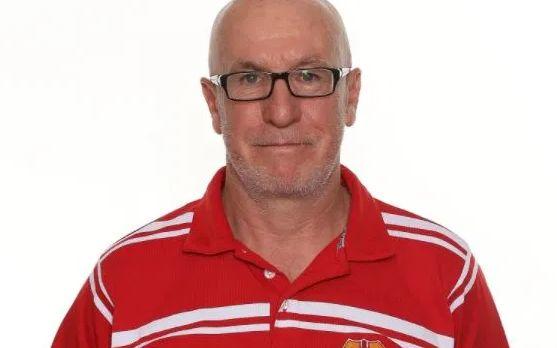
Peter Harding, new CEO of Tonga Rugby Union Photo: World Rugby
Harding said it was a collaborative and consultative process with stakeholders in Tonga.
“We need to do that to update the constitution and also to get on the treadmill so that in future we can potentially get on Council and have a member there who can speak up for us.”
Harding had no illusions that his job would be easy and was looking forward to many robust discussions in the boardroom and on the streets of Nuku’alofa.
“I know most of the players: I’m sort of plugged into most of those guys, I talk to them. I know the former coach Toutai (Kefu) pretty well and there’s something that is a bit addictive about island rugby…so seeing I was here and I’d just done four years in Africa with various nations trying to sort out governance and management there so I thought I had the expertise so I put my hand up and I was lucky enough to get it,” he said.
“Because rugby in Tonga is like it’s in people’s souls, it’s part of the country and part of people and…people tend to have very strong views on how things are to be done and how they’re to be run and it does occasionally lead to arguments or lead to issues and lead to problems.”
Harding said the public were passionate about things they believed in.
“I struggled with that as a palagi when I first came up…that was a challenge which to be honest I’m looking forward to now.”
Hire Power
Meanwhile the Tonga Rugby Union was close to confirming a new ‘Ikale Tahi coach, after the preferred candidate was signed off by the TRU Board on Thursday.
38 people applied for the role which has been vacant since Toutai Kefu’s contract expired after the 2019 World Cup, including a number of former Tongan internationals.
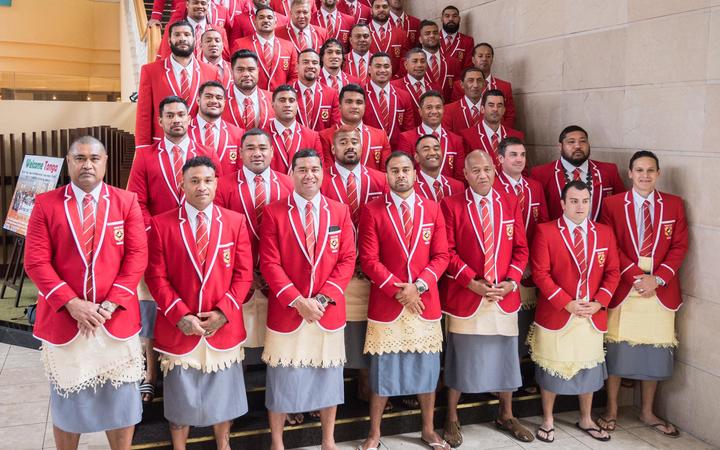
Tonga’s 2019 RWC squad Photo: Tonga Rugby Union
Peter Harding said it was important to get a coach and support staff in place as soon as possible, with two Rugby World Cup qualifying matches against Samoa looming in July.
“We’ve only just been reconfirmed as getting funding (from World Rugby ) so we haven’t been able to do anything about staff at this stage, because we didn’t have any money. There’s no point putting people on if there’s no money in the bank to pay them so we’ll start doing that now,” he said.
“The first person we’ll get is a head coach so we can start getting ready for July but after that staff here (in the TRU office) will be put on…now there’s got to be a negotiation to make sure that the coach is going to fulfill all of the requirements that we need, because part of our requirement for the coach is to spend at least four months on island to be a suppose a Director or Rugby type position and to assist and educate local coaches.”
Additional staff would follow, with Harding largely alone at the TRU offices.
“We’ll be looking at staff on-island like administrators and accounts because we’ve had a lot of problem with the money, but after that the first really on-island staff we’ll be looking at will be a development manager and a couple of development staff to come on in and get stuck into what we need to do up here – get some energetic people to really start looking at the schools and looking at the development of the kids.”
Change of venue for Rugby World Cup qualifiers
Tonga and Samoa will play their upcoming Oceania Rugby World Cup playoff series in New Zealand because of the ongoing uncertainty around Covid-19.
The ‘Ikale Tahi and Manu Samoa were meant to play home and away in July, with the aggregate winner to join England, Japan, Argentina and a qualifier from the Americas in Pool D in 2023.
Peter Harding said the games would now take place in New Zealand in mid-July.
“New Zealand Rugby have been very good and they’re going to help us out, for both teams, and get those games with Samoa there on the 17th and 24th of July…then the loser will play the highest ranked Asia-Pacific team to qualify directly to the World Cup,” he said.
Tonga were also pencilled in to play a warm up test against Ireland in New Zealand the week before, although Harding admitted that was looking unlikely.
It’s also unclear if their best players will be able to take part.
“To get the best people in that’s going to depend on the MIQ places in New Zealand…We’re putting all our applications together at the moment, which is difficult without a coach because he hasn’t picked a team,” he said.
“But if we’re going to bring people from overseas – if it’s from Australia hopefully there’s a travel corridor between those, that’s been on and off, but if they’re from Europe we’re going to have to find MIQ places.”
Peter Harding said Tonga and Samoa would still be able to select strong teams from eligible players based in New Zealand.
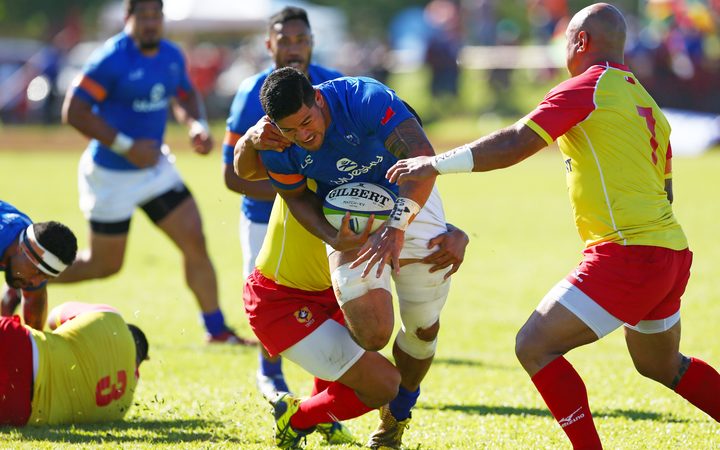
Samoa and Tonga do battle during the 2016 Pacific Nations Cup Photo: Renee McKay/SRU
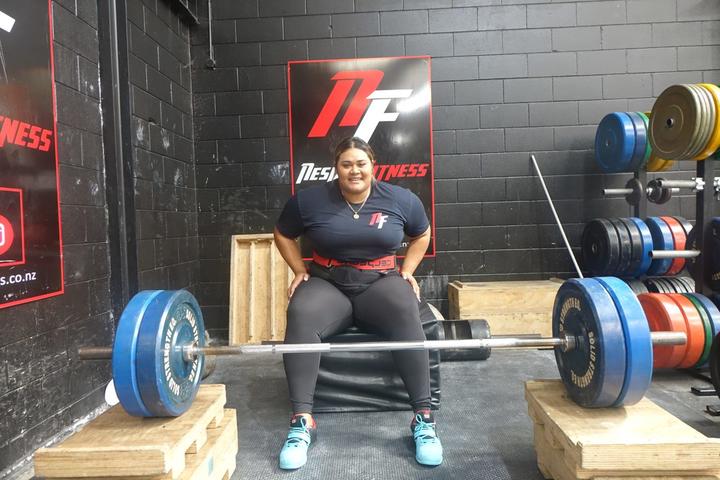
Former New Zealand discus star Siositina Hakeai is looking to snatch records in a new sport.
Former New Zealand discus star Siositina Hakeai is looking to snatch records in a new sport. Photo: RNZ / Talei Anderson
The 27-year-old is a five time New Zealand women’s discus champion and placed fourth at the last two Commonwealth Games, but after entering the Auckland Strongman Series, the New Zealand-born Tongan said she was hooked on a new sporting challenge.
“I’ve been doing track and field for quite a long time, since I was 12-years-old. I started travelling the world at 14 [and] it just got to a point where my love for the sport started fading away,” she said.
“I decided to enter the Strongman Series because I knew I was strong, I just didn’t know how strong, and my love for the sport and lifting heavy just grew ever since.”
Hakeai entered her first New Zealand Strongman Series competition in 2019 where she picked up a New Zealand record for lifting 237kgs. By the end of 2020, she broke the New Zealand and Oceania women’s deadlift record at 270kgs.
But with the women’s world record sitting at 290kgs, Hakeai said the work was not over.
“Prior to that competition I only ever lifted 260kgs and I sit back now and I regret not putting 280kgs on the bar because the movement of the 270kgs was quite quick,” she said.
“I kind of regret not going [for] 280kgs but touch wood this year I can go for a 290kg world record or maybe even 300kgs.”
Afraid of how they might respond to her new found passion, Hakeai refrained from telling her parents about her participation in the the record-breaking competitions.
However a video posted online quickly gained attention and it wasn’t long before her secret was out.
“They found out through a video on Facebook,” she admitted.
Hakeai lifts 107.5kg log at the 2020 New Zealand Strongman Record Breakers competition. Photo: Facebook / New Zealand Strongman Series
“At first my parents weren’t too happy because I’ve been doing athletics for such a long time and me doing well in athletics isn’t just for myself but it’s for my parents and my family.”
“It kind of took a toll on them but then when they saw the potential I had in lifting, they’re a lot more supportive now. Mum’s always checking up to see if my back is all right or if I need extra massages, and dad is just making sure that I’m not overdoing it and I’m not trying to smash it so hard where it’s going to affect me long-term.”
Hakeai said Pacific Islanders were naturally strong, and it was encouraging to see more Pasifika participating in weightlifting sports.
“I see a lot of islanders getting into lifting and so they should be because it’s in their nature, they’re naturally strong, [and] that’s what we’re good at,” she said.
“I love seeing females throwing those irons around in the gym and not being afraid to go in there and lift, and not sticking to the cardio machines… I like that I can inspire people, especially girls, to give it a go and just showing guys that us girls can do what they can do, sometimes even better.”
While Hakeai aimed to break new records, she indicated her time doing discus wasn’t over yet, with hopes to one day represent her island nation.
“I’ve always wanted to represent Tonga in discus, in track and field, and my goal was to represent Tonga in the next Commonwealth Games, but with Covid-19 I’m not sure what’s going to happen.”
“If I can represent New Zealand in lifting and Tonga in track and field, that’s my ideal goal…I don’t know if I can represent both, but that’s definitely something I’m going to be looking into.”
King Tupou VI has signed Tonga’s new cyber bullying bill, known officially as the Electronic Communication Abuse Offences Act.
It is now an offence to abuse, harass or otherwise harm another using electronic communication.
An offender could be fined not exceeding $10,000, or imprisonment not exceeding three years, or both.
A person that is convicted of any repeated serious offence under this Act will be liable to a fine not exceeding $20,000 or to imprisonment for a term not exceeding five years, or to both.
Service providers
Under the government’s bill a service provider must prevent communications networks and facilities from being used in, or in relation to, the commission of offences in this Act.
A service provider must assist Tonga Police in inquiries regarding this Act.
A service provider who fails, without reasonable excuse, to comply commits an offence punishable to a fine not exceeding $20,000.
Disabling order
Under the law a victim can apply for a court order to remove any information they deemed causing them any harm if the court is satisfied the respondent, service provider or relevant person or party has sent, or caused the electronic communication to be published.
The king signed the bill into law on February 25 after it was passed by the Legislative Assembly on 10 December 2020.
COMMENTARY The Minister of Infrastructure has wrongly attacked Kaniva News and Democratic Leader Semisi Sika in an article published by the VPON webpage yesterday.
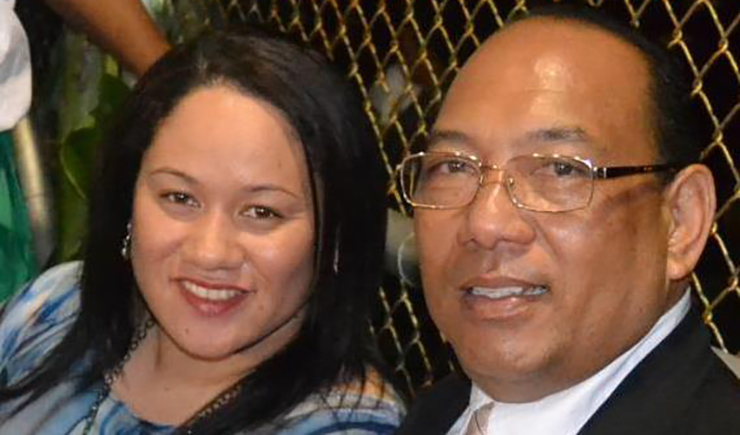
Former Minister of Infrastructure ‘Etuate Lavulavu and wife former Minister of Internal Affairs. Photo/Akosita Lavulavu (Facebook)
‘Akosita claimed we attempted to interfere with the judiciary system after Sika called on her to resign ahead of her two separate fraud trials which are expected to start next Monday March 29 followed by another on April 12.
She also questioned Sika’s ground for comments saying no court has “proven beyond reasonable doubt” that she has committed any crimes.
She also criticised Sika for using Kaniva to echo his concerns saying he should understand “separation of powers”.
She told us there was no legal basis for her to resign and that she can’t wait for the day to come so she can make her case in court.
‘Akosita was responding after we ran an article yesterday headed: Sēmisi Sika: “Infrastructure Minister ‘Akosita Lavulavu should ‘volunteer to resign’ ahead of her two separate fraud trials”
It has to be underlined that there was no suggestion in the article that ‘Akosita was found guilty by any courts or committed any offence or that we criticised any decision by the court over her two fraud charges. Her court cases have yet to be heard and for her to say we attempted to interfere with the judiciary in dealing with her cases was utterly baseless and a mere attempt to mislead the public.
The Opposition & Media roles
The Opposition’s main role in democratic countries is to question the government of the day and hold them accountable. The Opposition utilises the media to reach voters “with its views and to establish an identity as an alternative government.”
The call by Sika for ‘Akosita to resign was part of his responsibilities as the Leader of the Opposition to hold her to account for the accusations against her because she is required to be accountable to the public and the people who have elected her to Parliament.
Earlier this month the Speaker of the Legislative Assembly Lord Fakafanua launched the first ever Parliamentary Reporters’ Handbook for the Tongan media.
The Lord Speaker said “that Parliament and the Media in Tonga share a mutual symbiotic relationship; one where the Assembly relies on the media to deliver their messages, opinions, and decisions to the public. This is while the media closely follows and scrutinizes the work of MPs”.
‘Akosita appears to have downplayed attempts by our Parliament of which she is a member to upgrade and gave more space to media freedom in Tonga.
Separation of power & Checks and Balances
‘Akosita should know that media is the fourth estate or pillar of democracy along with judiciary, executive and legislature.
Our roles included checking on each other through “procedures set in place to reduce mistakes, prevent improper behavior, or decrease the risk of centralization of power”.
“Media of today has an all embracing role to act against the injustice, oppression, misdeeds and partiality of our society”.
We do not suggest that ‘Akosita has committed any offence but we act “as watchdog to protect public interest against malpractice and create public awareness.”
The Minister should understand better as she and his husband ’Etuate Lavulavu owned a newspaper and a radio station in which ‘Etuate used to attack the government’s critics and held the Opposition to account.
Resignations vs court judgement
The Minister is absolutely correct in saying that she never broke any laws in relation to her fraud cases. That is a matter for the courts to decide.
Unfortunately, that is not the point. There does not have to be a court judgement to be made for a Cabinet Minister to resign once they came under the spotlight. And the Tongan courts have no constitutional power to order her to resign. The mere fact that she has been accused and charged with two separate fraud cases, not just one, was enough for her to resign.
Cabinet Ministers’ credibility is a pivotal asset. Meaning they have to be honest. It means avoiding any activities, work or nonwork, that may harm the reputation of their office or the State services. And they have to do their best to protect that reputation.
Lessons from New Zealand & Australia
Being regarded as an honest and trustworthy Minister is not just about avoiding criminal activity or being cleared by a court decision. It is about understanding the difference between corruption and accusations and acknowledging that what is seen as the potential to cause the public to lose trust is just as great a concern than actually being found guilty in a court.
Most of the Cabinet Ministers in New Zealand and Australia who resigned because of any connection to corruption, accusations, allegations or indictments did so without having to wait until a court decision was made on their cases.
They wanted to step down as soon as they can possibly do to keep any criticisms and concerns against the government at bay.
This was seen when the New Zealand Health Minister David Clark formally resigned last year after “controversies in his handling of the Covid-19 response”.
Clark said: “”But it has become increasingly clear to me that my continuation in the role is distracting from the government’s overall response to COVID-19″.
In 2010, a New Zealand cabinet minister Phil Heatley resigned voluntarily “after finding an error in his expense accounts”. At the time, PM John Key offered him a chance to stand down but Heatley wanted to resign.
Key told media at the time, he would return Heatley if an investigation would clear him. And it happened. The investigation cleared him and Heatley’s ministerial role was reinstated.
Last year Three South Australian ministers and the state’s Legislative Council president resigned over the State Government’s expenses saga.
One of them was Premier Steven Marshall who said after he resigned: “The distractions of the past week have been extraordinarily disappointing and unacceptable.
“I don’t believe there has been deliberate dishonesty … but it’s very clear this is a distraction the Government doesn’t need”.
Whale watching licenses case
The Minister insisting that we should leave it to the courts to make decision in which she implied would be the only way to justify a resignation was balderdash.
Last year the Supreme Court warned ‘Akosita to follow the law and reinstated whale watching licenses she denied to a group of companies
The Minister was ordered to pay the plaintiffs’ costs.
If this was a case in New Zealand or Australia it is believed she was told to resign.
But what is most important here is that she was tried in court and she was found to have broken the law and she never resigned.
Now she is telling us after she had been charged for frauds and knowingly dealing with forged documents and obtaining credit by false pretenses she would not resign because the courts have yet to make decisions against her cases.
FAKAMATALA NOUNOU FAKATONGA
‘Oku totonu ke mahino ki he Minisitā ‘O e Ngaahi Ngāue Lalahi’ ko e fatongia mu’omu’a ia mo mahu’inga ‘o e Fa’ahi Fakaanga ‘o ha Fale Alea pea tatau mo e mitia ke nau ‘omai ‘a e kau minisita pe kau fakafofonga Fale Alea kuo fai hanau tukuaki’i ke nau fakamatala mo fakahoko ‘a e me’a ‘oku totonu ke nau fai’ ‘ke vakai ki ai ‘a e kakai’. Ko ia ai ko e lau na’e fai ‘e Semisi Sika ‘i he Kaniva ‘o ne ui kia ‘Akosita ke fakafisi tu’unga he’ene ongo hopo lalahi ‘e ua ‘oku hanga mai’ ko e fatongia totonu ia ‘o ‘ona. Pea na’e fai ‘i he laumalie lelei he na’e ‘i ai ‘ene poini’ ko ‘ene pehe ke malu’i e ngeia ‘o e kapineti’. Ko ‘ene ngāue’aki ‘a e mitia’ ki hono fatongia ko ia’ ‘oku toe totonu pe mo ia he ko e ngafa ia ‘o e mitia’ ke nau fakaongo atu e fakakaukau mo e lau ‘a e kau taki ‘o e fonua’ kau ai ‘a e Fa’ahi Fakaanga’. Ko e pehē ‘e ‘Akosita tokua ‘oku kei tonuhia pe ia te’eki fakahalaia’i ia ‘i fale hopo ‘oku ta’e ‘uhinga ia he ‘oku ‘ikai ko e angamaheni ia ‘o e fakafisi ‘a ha minisitā pe Fakafofonga Fale Alea ke toki tu’utu’uni ha fakamaau’anga pea nau fakafisi’. Pea ‘oku ‘ikai ha mafai pehe ia ‘o e fakamaau’anga’. Na’e ‘osi mo’ua ‘a ‘Akosita i he Fakamaau’anga lahi ‘ ‘i hono faka’ilo ia ko e ‘ikai ke ne foaki ‘a e ngaahi laiseni mamata’anga tofua’a ki ha kulupu ‘o ha ngaahi kautaha. Pea na’e tautea ai ia ke ne totongi ‘a e fakamole ‘a e ngaahi kautaha ki he hopo ko ia’. Ne ‘osi totonu ke fakafisi pe ia he fo’i keisi ko ia’ he kuo’ ne maumau’i e lao ‘a e pule’anga’. Ko ‘ene lave ‘o pehē ‘oku feinga ‘a e Kaniva’ mo e taki ‘o e Fa’ahi Fakaanga’ ke kaunoa ‘i he fakamaau’anga ‘oku hala mama’o mo ia mo ta’e ‘uhinga. ‘E lau ia ko e ta’efaka’apa’apa ki he fakamaau’anga kapau te mau kaunoa ka na’e ‘ikai ha fakamatala pehe ‘e taha ‘e ha atu ‘i he Kaniva’. Ko hono mo’oni ko ‘ena feinga mo e uepi ‘a e VPON ke fakangali kovi’i e fatongia totonu pe ia ‘o e Kaniva mo Semisi Sika. Ko ‘ena tukuaki’i ne ‘ikai hano makatu’unga pea ‘ikai te na lava ‘o kuouti pe to’o hangatonu mai mei he ongoongo na’e pulusi’ ko e fe ‘a e me’a ai ‘oku mau kaunoa ai he fakamaau’anga. Ko Nu’u Sila’ mo ‘Aositelēlia ko e ongo fonua ia ‘oku na toutou fai ha ngaahi uekasopu mo e Fale Alea ‘o Tonga ‘i hono feinga’i ke fakahinohino ‘a e founga ngāue ki hona ongo Fale Alea’. Pea ko e founga ‘i Nu’u Sila’ ni mo ‘Aositelēlia ko ‘ene tukuaki’i pe ha minisitā ko e lahi taha’ fakafisi pe minisita ko ia ‘iate ia ‘ikai toe tali ia ke ō ‘o fakatonutonu ‘i ha hopo. Pea ‘oku fakafisi e ni’ih kae lele e fakatotolo pea ‘osi ange ‘oku nau tonuhia pea ‘oku fakafoki pe kinautolu ki honau lakanga’. Ko e me’a totonu ia ke fai ‘i Tonga ke taau mo e lotu ‘aukai ‘a e ‘Eiki Palemia ‘oku fua hono fakamole mei he tukuhau ‘a e kakai’. ‘Oku totonu ke ho’ata mai ‘a e lotu ko ia’ ‘i he to’onga ‘a e kau minisitaa’. ‘Oku totonu ke fakafaikehekehe’i ‘e ‘Akosita ‘a e me’a ‘oku ui ko e tukuaki’i’ pea mo e me’a ‘oku ui ko e halaia ‘i fale hopo ko e ongo me’a kehekehe ‘aupito ia ‘i he pule fakatemokalati. Ko e tukuaki’i pe ‘iate ia ko e halanga ia ki he pau ke fakafisi. He ‘oku ‘ikai fiema’u ke kei nofo hu’uhu’u e kau totongi tukuhau mo mahalo kovi he’ene kei ma’u ‘a e mafai ke ala holo he’enau koloa mo nofo honau ‘ofisi mo fai e ngaahi sevesi ma’a kinautolu lolotonga ‘oku’ ne fe’ao holo mo hono fu’u tukuaki’ mamafa. ‘Oku totonu ke fai mo a’usia ‘e Tonga e maama fakasivilaise ko ia’. He ka ‘ikai ‘e fakatupu ai ‘a e ta’emelino mo e ta’efalala ki he pule’anga fakalukufua o hange pe ko ‘eni ‘oku ma’ave’ave he taimi ni he tukuaki’i ko ‘eni ‘o ‘Akosita’. Pea ko e ‘uhinga ia ‘oku ‘ai ai ‘e mamani mo e ngaahi pule’anga sivilaise ke fakafisi ha minisita pe ‘oku tukuaki’i koe’uhi kae ‘atā pea ma’a pe fatongia’ ke hoko atu ngāue mo fai tau’atāina ma’a e kakai’.
A 33-year-old married woman was subjected to a nightmare when her boss indecently assaulted her on a yacht at Vaipua in Vava’u last year.
Limoni Tito Siasau was charged after he committed serious indecent assault by fondling a woman’s vagina outside her clothing without her consent.
Three Crown witnesses were called to give evidence during the trial namely the victim, her husband and a co-worker of the victim. Siasau didn’t call any witness.
A copy of the verdict shows the offender and the victim had known each other as workers for the Sunsail company before the incident.
On February 20, 2020, the victim and Siasau with two other workers were at the company’s yacht yard at Vaipua.
They boarded Kepa, a catamaran with two hulls.
After sending the other two workers to work on another yacht, the Europia, Siasau told the victim she wanted to talk to her about work matters.
At one stage the victim told the court Siasau asked if she still wanted the work in which she said yes.
She said Siasau went down into the cabin and told her to come down so he can show her the work to do.
The work was to scrub the wall with janola and scrape it with silicone.
She said she had her back to a bed in the cabin while looking at what Siasau instructed her to do.
It was at this time Siasau pushed her backwards onto the bed and lifted both her legs and touched her on her vagina through her under garment and tight pants she wore.
She said that he pushed his fingers with the fabric of her pants and undergarment into her vagina before she said: “What are you doing?” in which he said: “ for us to have sex and to make you climax”.
She said she struggled and that she pushed him off before he got up.
She said she made him think that she was not afraid and she told her she had not had a bath and whenever he would ring her at any time, she would be sure to be ready for him the following day.
She said he asked her if she was being truthful and she said that she was.
She said Siasau walked up the stairs before he stopped, turned around and put his pant down and held out her penis and told her to come and suck it in which she refused.
She said she pushed the door of the cabin to shut but that he pushed it open and pulled her hand to hold his penis and told her to make him climax.
But just then, his phone rang before he answered it.
She said after talking to someone on the phone he pulled her hand off his penis saying: “No one will climax that way”. He then masturbated himself and ejaculated onto the floor. She said he told her to get a pillowcase from the bedroom and wipe the semen off.
Siasau left before she heard him got to his vehicle and started up the engine. She then called her husband and asked him to come and pick her up straight away.
Her husband took her to the Police station the following day and filed a complaint.
Denial
Siasau denied his charge saying the victim was lying.
Justice Niu in summing up his verdict said Siasau has admitted that he did what the victim has said about him.
Mr Niu referred to a telephone call between Siasau and the victim’s husband in which Siasau said:
“Have your wife checked because she is not mentally well. In any event, there was no witness”.
Justice Niu said: “ He thereby confirmed that he was alone with the complainant and had done what she said he had done to her but that no one, other than himself, would support her story because no one else was there.”
“Taking into consideration, together with all the evidence I have heard in this trial, and the exhibits which have been produced, and agreeing with Mrs. Kafa as counsel for the Crown with the submissions which she has made, I am satisfied beyond reasonable doubt that the accused committed serious indecent assault upon the complaint on 20 February 2020 at Vaipua as he is charged in this trial, and I convict him accordingly”.