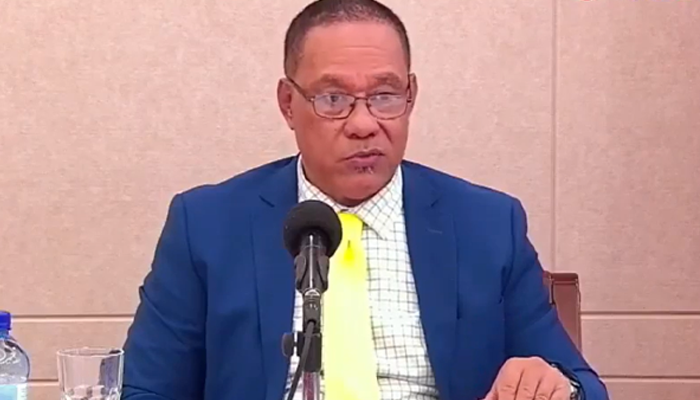
Nukuʻalofa — Tonga’s long‑standing land controversies have entered a new phase following an announcement by the Minister for Lands, Taniela Fusimālohi, who has outlined a proposal to reduce the size of town allotments in an effort to make land available to more people.
The announcement follows persistent calls to reform Tonga’s land tenure system.
These include a 2006 appeal by an Australian think tank, which urged the Kingdom to reform land ownership arrangements after identifying noble land ownership and the reliance on short‑term leases as barriers to foreign investment in Tonga’s tourism sector, according to RNZ.
The following year, the Tonga Women’s Action Group for Change called for more equitable access to land, arguing that women must be able to meaningfully participate if they are to contribute to economic growth.
Under Tonga’s current legal framework, women are generally not permitted to own land, except in cases where they are widows.
A Royal Land Commission of Inquiry report submitted to the Parliament in 2012 recommended major reforms to Tonga’s land tenure system. Its proposals included granting women rights to town allotments and strengthening land management practices.
The three‑volume report also emphasised the urgent need to modernise the land registry and clearly define estate boundaries.
However, Parliament later faced a series of criticisms for failing to act on the report, which was based on consultations conducted by the Commission with Tongans in Tonga and across the diaspora. Critics argued that the process amounted to a waste of time and public funds.
In 2023, the Chief Executive Officer of the Ministry of Lands told Kaniva News the Ministry was assessing the feasibility of incorporating the report’s recommendations into its core programme.
Proposal to Reduce Allotments
Fusimālohi said last week the key issue under consideration is a plan to introduce new legislation that would reduce town allotments from 30 poles to 15 poles, allowing the limited land available to be redistributed to Tongans who currently do not hold any allotments.
The Minister also said the Ministry is encouraging the public to construct multi‑storey buildings in order to maximise space.
He did not indicate whether the proposed move was part of efforts to incorporate the recommendations of the 2012 Royal Land Commission report.
The Minister acknowledged that land scarcity has become a national concern and said the proposed change could help address the growing number of landless citizens.
“Our land resources are extremely limited, and this proposal is about finding ways to ensure that more people have access to land,” the Minister said in Tongan.
Under existing land law, every Tongan male is legally entitled to receive a 30‑pole town allotment and an eight‑acre tax allotment.
However, in practice, it is unclear when land was last allocated under this arrangement, as suitable land has become increasingly scarce across the kingdom.