New religious histories are currently being published, while a university lecture delivered earlier this week in New Zealand highlights Tonga’s preparations to mark 200 years since Christianity was firmly established in the kingdom, following earlier failed missionary attempts.
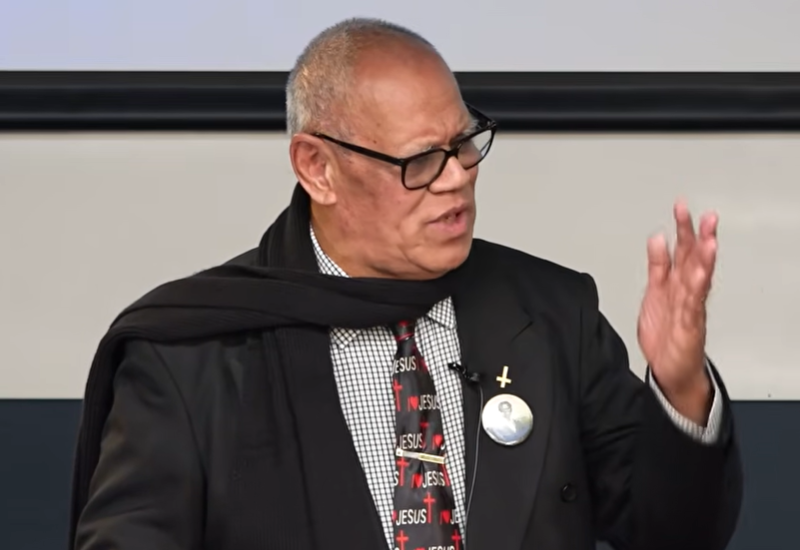
Rev’d Dr Paula Onoafe Latu is re-examining the history of the Methodist Church in Tonga and presented a lecture at the University of Otago this week as part of his ongoing research.
The research and publication programme is overseen by a committee chaired by Her Majesty Queen Nanasipauʻu, with members including Free Wesleyan Church President Dr Tevita Havea, Secretary General Rev Feleti ‘Atiola, and Rev Dr Paula Onoafe Latu, who are developing a six-volume book series for the celebrations.
The anniversary marks the introduction of Christianity by early missionaries, beginning with the London Missionary Society in 1797, followed by Wesleyan missionaries in 1822 and Catholic missionaries in 1840.
Assessing Missionary Legacy
Although early British missionary efforts faced challenges and were not without flaws, Dr Latu’s research and forthcoming publications aim to evaluate the achievements of the Wesleyan mission in Tonga over the past 200 years.
These missions laid the foundations of a faith that would reshape Tongan society and identity over the next two centuries.
In his Otago presentation, Dr Latu said Christianity not only transformed the spiritual life of the people but also played a central role in shaping Tonga’s political development, legal system, and national unity.
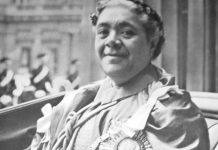
The paper highlighted King Taufaʻāhau I as instrumental in embracing Christianity—becoming a Christian alongside his wife, Queen Sālote Halaevalu—and using its influence to modernise Tonga, beginning with freeing the people from chiefly control.
The establishment of the 1875 Constitution, influenced by Christian principles, remains one of the most significant fruits of this legacy, helping Tonga maintain its sovereignty and avoid colonisation.
Churches and schools established by missionaries also drove widespread literacy and education, with Bible translations into Tongan playing a key role in shaping both language and national identity.
Dr Latu describes the growth of Christianity in Tonga as a “Tree of Life,” beginning with the planting of the Gospel seed, taking root in the hearts of the people, and eventually bearing fruit in social progress and spiritual maturity.
This transformation extended beyond Tonga’s shores, with Tongan missionaries being sent across the Pacific and the world since the 19th century, continuing the cycle of spreading the Christian faith.
Faith and Future Renewal
As preparations for the bicentenary gather momentum, the focus is not only on remembrance but also on renewal—reflecting on how faith has shaped Tonga’s past and how it will guide the nation’s future.
The anniversary is expected to unite churches, communities, and the Tongan diaspora in a shared celebration of faith, identity, and resilience.
For many Tongans, the 200-year milestone is more than a historical marker—it is a testimony to what is often described as “God’s story” unfolding in the life of the nation.
Leaders say the bicentenary will honour the sacrifices of early missionaries and local converts while inspiring a new generation to carry forward the spiritual and cultural legacy.
As Tonga approaches this landmark anniversary, the message remains clear: the story of Christianity in the kingdom is not only about the past 200 years, but about a continuing journey of faith shaping the nation’s destiny.