Tonga’s capital, Nukuʻalofa, has been named among several Pacific cities where Chinese-linked criminal and political influence operations could potentially emerge, according to a Washington-based security analyst commenting on US corruption allegations against Fiji-based businessman Zhao Fugang.
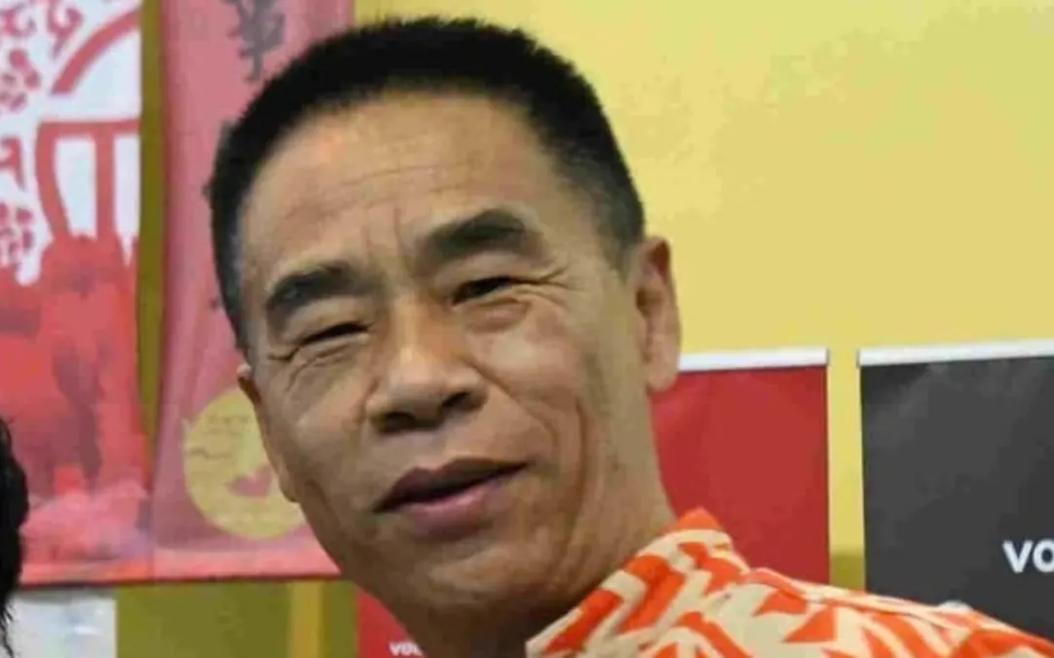
The warning comes amid a diplomatic dispute between Fiji and the United States, with Suva demanding evidence after Washington accused Zhao of bribing Fijian citizens to advance Chinese government, business and criminal interests.
On October 7, the US State Department publicly designated Zhao, director of the Overseas Chinese Service Center in Suva, for alleged significant corruption under Section 7031(c) of US appropriations legislation.
The designation generally makes him and his immediate family ineligible to enter the United States but does not constitute a criminal conviction.
Zhao Denies Criminal Allegations
Zhao, a China-born naturalised Fijian citizen and owner of the Yue Lai Hotel in Suva, has denied bribery and other allegations of criminal wrongdoing.
He said American authorities had neither contacted him nor given him an opportunity to respond before announcing the restrictions, adding that he was willing to cooperate with any lawful investigation by Fijian authorities.
Zhao previously came under scrutiny following a March 2024 joint investigation by the Organised Crime and Corruption Reporting Project and Australia’s Nine media outlets.
The investigation reported that Australian intelligence authorities suspected him of holding a senior position in an alleged criminal network involved in drug trafficking, money laundering and human trafficking.
It also reported that the Australian Criminal Intelligence Commission had designated him a priority organised crime target in 2023.
China Rejects US Accusations
Chinese Foreign Ministry spokesperson Mao Ning has criticised what Beijing described as attempts to vilify and smear China following the US announcement.
Washington has not publicly disclosed the detailed evidence supporting its bribery allegations or identified the Fijian citizens allegedly involved.
The dispute has drawn attention to concerns about organised crime and foreign political influence across the Pacific, where China maintains extensive diplomatic and economic relationships.
Fiji Demands Supporting Evidence
Fiji’s government has called on Washington to provide credible information supporting its allegations against Zhao so that local authorities can determine whether further investigation is warranted.
Fiji has acknowledged Washington’s authority to impose immigration restrictions while maintaining that suspected offences committed within its jurisdiction must be addressed through its own legal processes.
On October 14, FijiVillage reported that the US Embassy had not responded to questions about whether supporting evidence had been shared with Fijian authorities.
How Tonga Became Involved
Tonga’s inclusion in the regional controversy stems from comments by Dr Gregory Brown, founding executive director of the Alliance Futures Initiative and an adjunct professor at Georgetown University, in an interview published by Radio Free Asia on October 14.
Brown questioned whether activities of the kind alleged in Fiji could also occur elsewhere in the Pacific, naming Nukuʻalofa alongside Honiara, Port Moresby and Port Vila.
His assessment did not identify any criminal operation in Tonga, implicate Tongan officials or establish a connection between Zhao and the Kingdom.
Radio Free Asia is a US Congress-funded international broadcaster operating as a nonprofit organisation. Brown’s Washington-based research organisation monitors Indo-Pacific security developments, including Chinese diplomatic activities across Pacific island countries.