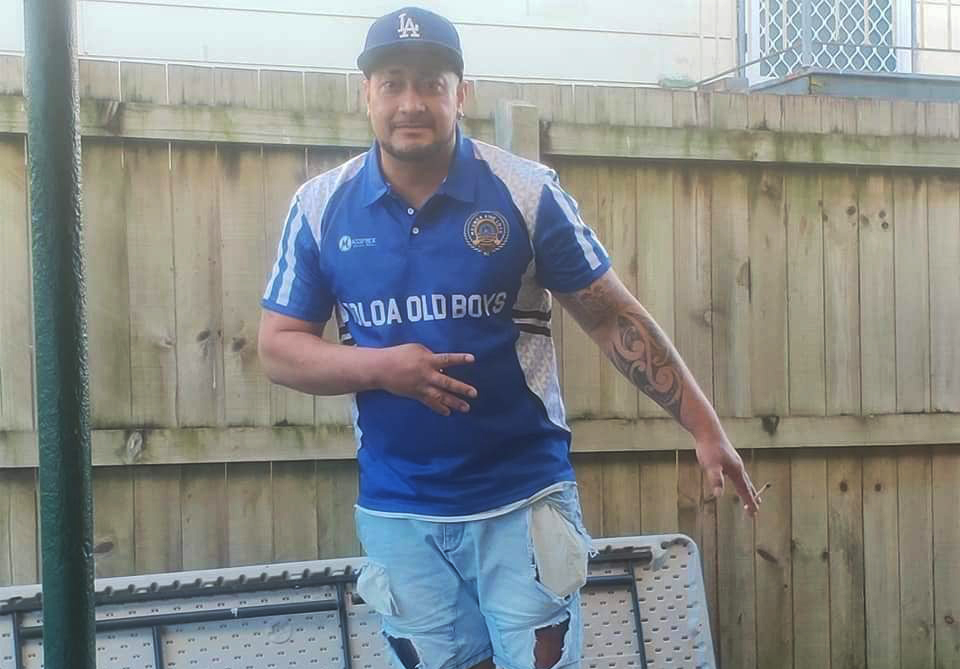
A Tongan man in Brisbane, Australia is recovering in hospital after being apparently injured in what his family has described as a freak BBQ accident.
Sione Lavalu was expected to receive more medical treatments after he woke up at the Royal Hospital in Brisbane this week.
“He has woken up and it is clear he’s conscious again”, his brother Manase Lavalu told Kaniva News in Tongan.
Pictures provided by the family appeared to show Sione was being spoon fed by a relative while lying consciously in a bed in hospital. He was surrounded by some family members.
Manase previously said Sione was picked up at a home after reports he was allegedly injured in a BBQ accident.
Manase claimed an investigation was underway to confirm Sione’s cause of injuries.
It is understood, Sione was no longer working under the Tongan government’s agreement with the Australian authorities for Tongan employees who worked in the country under the Seasonal Worker Programme.
In a statement, the Ministry of Health said there were 100 people in hospital with the coronavirus. None are in ICU.
Today’s new cases include 1799 in the Auckland DHBs, with the other cases reported in the Northland (41), Waikato (188), Bay of Plenty (86), Lakes (11), Hawke’s Bay (24), MidCentral (13), Whanganui (2), Taranaki (9), Tairāwhiti (12), Wairarapa (14), Capital and Coast (54), Hutt Valley (25), Nelson Marlborough (53), Canterbury (76), South Canterbury (1) and Southern (111) DHBs.
There were also 17 new cases reported at the border, including four historical cases.
The total number of cases of Covid-19 in New Zealand has now gone past the 30,000 mark, at 30,694.
The ministry was unable to provide any information on yesterday’s vaccination numbers, due to a “database reporting issue”.
Rapid Antigen Testing update
The ministry also issued a reminder today that rapid antigen tests will be made available at all Auckland testing sites to those who fit the appropriate clinical criteria, with access to the tests expanded further during the coming week.
“As the outbreak grows more people will have Covid and there will be more close contacts we need to test. As planned we will now increase the use of RATs in phase 2 and phase 3 of our response in order to relieve pressure on the PCR testing and reserve it for those most likely to have Covid.
“As we’ve previously said, only those with symptoms or who have been identified as close contacts of a case, or directed by a health professional to get tested should be turning up at testing sites.”
The ministry said testing continued to be one of the best defences against Covid-19, but it was important to reiterate that people do not need to get tested unless they are unwell with cold or flu symptoms, have been identified as a close contact of a case or have been instructed to do so by health officials.
“As this demand has grown, some Covid-19 test results for Auckland and Waikato are currently taking longer to process at laboratories.
“The use of rapid antigen testing, alongside PCR testing, will improve this process at a time of exceptional demand in Phase 2, provided the testing centre queues are freely available for those who really need a test.”
South Auckland doctors say two new anti-viral drugs to treat patients with Covid-19 are needed now in a bid to manage the country’s Omicron outbreak.
But according to drug buyer Pharmac, the drugs may not be available until April at the earliest.
South Auckland GP Dr Api Talemaitoga says new anti-viral drugs are needed to help manage the Omicron outbreak. Photo: STUFF / Ryan Anderson
It comes on the back of news that almost 50 percent of all current Covid-19 cases in New Zealand are in the Counties Manukau District Health Board area.
New data released by the Ministry of Health shows 63 percent of all new daily cases of Covid-19 recorded in the Auckland region between 9 February and 15 February were in Counties Manukau.
Pharmac this week released the proposed access criteria for oral anti-viral drugs Paxlovid and molnupiravir, which are used to treat Covid-19.
The drugs, which are still awaiting approval from drug regulator Medsafe, work by binding to enzymes to prevent the virus from growing, and are expected to reduce the numbers of people hospitalised with coronavirus.
South Auckland GP Dr Api Talemaitoga, chairman of the Pasifika GP Network, said doctors on the front line in Counties Manukau need all the help they can get to manage the Omicron outbreak, and the anti-viral drugs are needed now.
“We’re expecting a peak in case numbers in March, so I can’t understand why we might have to wait until after April for these drugs?”
Under Pharmac’s criteria, Māori, Pasifika, some unvaccinated people and immune-compromised groups would be among the first in line for the drugs and Talemaitoga said many of his patients would qualify.
“We have to use all the tools we have to manage Omicron,” Talemaitoga said.
Papakura GP Dr Primla Khar says anti-viral drugs such as Paxlovid and molnupiravir can help treat people with Covid-19, but will do little to help stop the spread of the virus. Photo: STUFF / Chris McKeen
Papakura GP Dr Primla Khar agreed and said doctors needed such medicines to treat those with the virus.
“We are expecting to have to deal with sicker patients, many of whom aren’t vaccinated, so these drugs may reduce demand for ICU beds,” she said. “So these anti-virals will be welcomed.”
Khar said the main benefit of using such medicines was to help treat those who already have the virus but conceded they won’t help stop its spread.
National Māori Pandemic Group co-leader Dr Rawiri McKree Jansen said even if the new drugs were not available until after April, having drugs such as Paxlovid available to treat cases in subsequent waves of the virus would still be helpful.
“These medicines will make a real difference for those people who catch Covid-19 and aren’t vaccinated,” he said.
In a statement, Pharmac’s chief medical officer Dr David Hughes said it expected the new medicines to arrive in the country between April and June.
“We worked quickly to secure advance purchase agreements for molnupiravir and Paxlovid. These types of agreements enable the companies to commit to deliveries to New Zealand and will ensure these medicines are available as soon as possible.”
Hughes said Pharmac had asked the suppliers to bring forward their delivery dates for the drugs.
“But it is important to also acknowledge that there is significant global demand for these medicines,” he said.
Local Democracy Reporting is Public Interest Journalism funded through NZ On Air
Tonga’s prime minister has annouced that Covid-19 lockdown restrictions in the Kingdom will ease for seven days from Monday.
Prime Minister Hu’akavameiliku. Photo/Screenshot (Radio FM87.5)
All government offices will open and the rules will also be relaxed for shops and takeaway food services.
But the 6pm to 6am curfew lockdown remains.
Those needing to have their physical exercise can also do so with mask on and social distancing.
Schools will remain closed for next week with radio school programs continuing.
The government will use next week as a transitional week to consider various measures before the Ministry of Education decides on the possible resumption of school classes.
Cabinet made the decision to ease restrictions following recommendations from the Ministry of Health.
Covid-19
On Friday, Tonga recorded 24 new covid cases of Covid bringing the number of active cases to 196.
The prime minister confirmed that of the 25 positive cases recorded in MIQ on Thursday a total of 23 have recovered, while two are still active cases.
The cases reported at the Hu’atolitoli Prison are being monitored closely.
Photo: Supplied/ Tongan Ministry of Health
Tonga’s Health Minister Dr Saia Piukala said in the last 24 hours the Ministry of Health was able to conduct 4, 720 tests, with 11, 705 Rapid Antigen Test (RAT) tests.
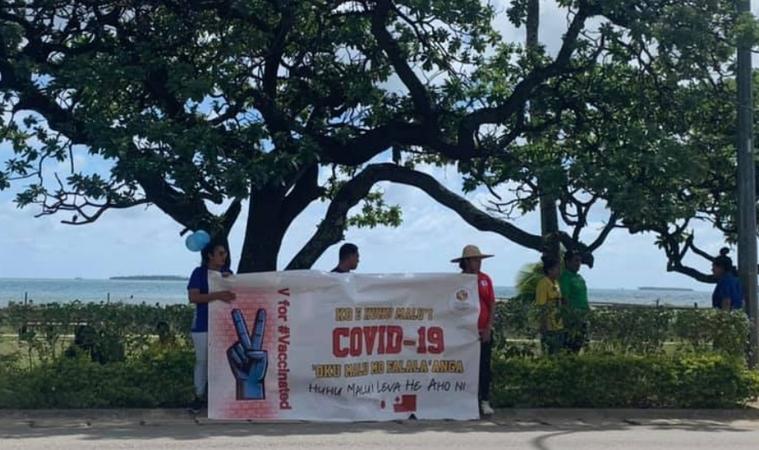
The vaccination rate in the kingdom has increased to 99 percent for the first dose, 90 percent second dose, 20 percent for the Booster shot, with only 1,093 people still needing their first dose
Cable service
Meanwhile, Prime Minister Hu’akavameiliku also said repairs to the Tonga international internet cable should be done by February 20 as planned.
Space Exploration Technologies Corporation, also known as SpaceX, has donated 50 satellite dishes to Tonga.
Tonga’s government said the VSAT Terminals were donated this week and that technical staff from SpaceX were working on installing equipment scheduled to be launched next week.
The terminals will be deployed at strategic locations throughout Tonga.
The number of new daily community cases of Covid-19 has fallen slightly from yesterday’s record, with 1901 new cases reported in New Zealand today.
In a statement, the Ministry of Health said 1240 of the new cases were in Auckland, with the rest in the Northland (33), Waikato (249), Bay of Plenty (66), Lakes (11), Hawke’s Bay (22), MidCentral (12), Whanganui (10), Taranaki (10), Tairāwhiti (12), Wairarapa (17), Capital and Coast (38), Hutt Valley (31), Nelson Marlborough (40), Canterbury (40), South Canterbury (2), West Coast (1) and Southern (65) DHBs.
There were also 14 cases identified at the border, including five historical cases.
There have now been 28,360 cases of Covid-19 in New Zealand since the pandemic began.
The Ministry said there are 76 people in hospital with the coronavirus. None are in ICU.
A total of 25,364 vaccine booster doses were given yesterday, as well as 1039 first doses, 897 second doses and 761 paediatric doses.
More than 2.1 million booster shots have now been given across New Zealand.
The Ministry has now started reporting the percentage of the eligible population who have received a booster by DHB region.
The Nelson/Marlborough DHB has the highest percentage of booster doses with 73 percent. The Waikato and Auckland DHBs have the lowest percentage of booster doses at 62 percent.
Fiji has reported 213 cases of Dengue Fever and 30 cases of Typhoid Fever this year.
The Government earlier announced that 14 people had died from leptospirosis this year including a six year old boy.
Dr Fong said of the typhoid cases, 11 were from the Central Division, 14 in the west and five in the north of the country.
But he said case numbers of typhoid fever were below the expected numbers for this time of year.
“Typhoid fever is typically found in areas that do not have access to clean drinking water such as rural areas and urban informal settlements,” Dr Fong said.
“We strongly encourage people who live in these areas, and any other areas without access to clean drinking water, to boil all drinking water.
“We must all also continue to practise basic hygiene measures such as frequently washing hands with soap and water, but especially after visiting the toilet and before eating or preparing food.”
Meanwhile, Dr Fong said there’s been an increase in dengue cases since the recent heavy rain and floods.
“There have been 213 cases of dengue fever reported, which is within the expected numbers for this time of the year,” he said.
Dr Fong urged the public to get rid of potential mosquito breeding places, such as empty containers outside homes that may collect water, including discarded tyres.
“You must also prevent yourself from being bitten by mosquitoes through the use of mosquito screens in your homes, and mosquito repellents,” he said.
“The Ministry of Health and Medical Services Communicable Disease Committee has been activated and is assisting the divisional command centres in responding to cases of leptospirosis, typhoid, and dengue fever, including raising awareness and providing refresher training for medical professionals in primary care for early diagnosis and treatment.”
Fiji is also battling a third wave of the coronavirus with 94 cases in isolation and the death toll at 823.
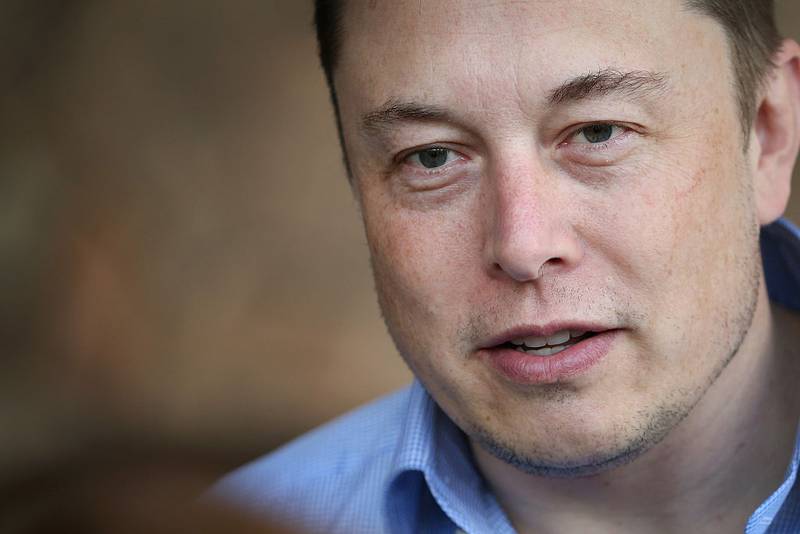
Entrepreneur Elon Musk is helping Tonga’s attempt to provide a staple internet service to remote places in the kingdom.
Elon Musk (file photo). (Source: Getty)
Information CEO Paula Ma’u said today Musk donated 50 VSAT Terminals satellite disks.
“These terminals will be deployed at strategic locations throughout Tonga to ensure connections and communications are maintained, particularly for the disaster response operations”, Ma’u said.
Technical staff from Musk’s SpaceX company and the Tongan government were working on installing the equipment and is scheduled to be launched next week.
The 827km fibre optic internet cable between Tonga and Fiji was cut when the Hunga-Tonga-Hunga-Ha’apai volcano exploded. It is expected to be fixed and reconnect the international services on February 20.
Musk’s donations come amid debate among Tongan authorities over the best option for its internet backup.
The government of the late prime minister ‘Akilisi Pōhiva believed the best option was for Tonga to spend its money in building a satellite back up service.
The Pōhiva government had made a 15-year deal with Kacific to establish a satellite backup link, but this was cancelled by the Tu’ionetoa government.
Current Prime Minister Hu’akavameiliku supported the idea of having another undersea backup cable. He said the fibre optic cable is fast, quicker and reliable than the satellite internet.
New Zealand politician Dr Shane Reti wrote to Musk asking him to help provide a Starlink connection. After the reports from Fiji emerged, Reti tweeted: “Very pleased. Elon Musk providing satellite to Tonga.”
Tonga High Commissioner to Australia Princess Angelika Tuku’aho has shown her gratitude to Australian authorities for various assistances they donated to Tonga since January 15 fatal tsunami.
FM dinner with Pacific Diplomatic Corps at RG Casey in Canberra 2022.
“Today we mark the one-month anniversary of this unprecedented natural disaster that has struck Tonga – from which it will take years to recover”, a statement said.
The High Commission of the Kingdom of Tonga in Canberra is very grateful to the Government and the people of Australia for all their generous assistance, prayers and love that has extended to Tonga at this very challenging time.
“Australian Government assistance Tonga is a member of the Pacific family, and Australia is standing by Tonga in its time of need. Australia is ensuring that its assistance directly meets the immediate humanitarian aid and disaster relief needs of the Tongan people and government as a reliable and responsible partner of the Pacific family.
Australian assistance included AU$3 million in humanitarian assistance.
The Australian Government is in close communication and coordination with the Government of Tonga at all levels, including Ministerial and Prime Ministerial levels – Prime Minister, the Hon. Scott Morrison spoke with Prime Minister, Hon. Siaosi Sovaleni on 19 January.
Tonga’s two Guardian-class Patrol Boats and a landing craft – all Australian gifted – were undamaged and have been used regularly by Tonga since the eruption to check on impacted communities, distribute essential supplies and evacuate people. Australia’s pre-positioned stores with the Tongan Red Cross have been delivered to impacted communities.
Humanitarian relief supplies
Royal Australian Airforce (RAF) has conducted eight aerial surveillance flights to assess initial damage across Tonga; more may follow at the request of the Government of Tonga, As of 15 February, 15 RAF humanitarian assistance flights have landed in Tonga carrying essential supplies and equipment, including family kits, hygiene kits, shelter kits and bedding, water purification tablets, Personal Protective Equipment and cleanup equipment, UNICEF emergency kits and satellite equipment from Telstra. RAF assistance flights have delivered over 130 tonnes of supplies and equipment to date, with more flights likely in the days ahead. HMAS Adelaide, the largest support vessel in the Royal Australian Navy, arrived in Tonga on 26 January carrying humanitarian and medical supplies such as shelter, water purification and hygiene kits, as well as engineering equipment and helicopters to support logistics and distribution. HMAS Adelaide completed contactless delivery of over 80 tonnes of supplies and equipment on 27 January. In total, HMAS Adelaide and Australian assistance flights have delivered more than
210 tones of essential supplies and equipment to date.
Telecommunications
Communications with and within Tonga continue to be significantly impacted as a result of the disaster. Australia’s Department of Foreign Affairs and Trade (DFAT), Telstra and Tongan telecommunications authorities moved quickly and effectively to address the disruption to communications. Basic mobile connectivity is now re-established, voice calls and texts are now operational on Tongatapu, and limited data services are also available through GPRS and 3G. Contact with and within Tonga is occurring through satellite technology provided by Australia and other partners, The Australian High Commission in Tonga has been making available its satellite phones to support official communications by the Government of Tonga. Tonga’s international and domestic communication cables were cut by the eruption and repairing these is a priority. A commercial cable repair vessel has arrived in Tonga and currently working on repairing the international cable. Australia is engaging with the Government of Tonga on connectivity options while the cable is being repaired, including possibly providing antenna and other communications equipment, potentially in collaboration with other partners. Australia is closely supporting Tonga in re-establishing communications with the outside world. This has allowed the Tongan community in Australia (numbering more than 40,000) and elsewhere to communicate with family and friends in Tonga to ensure their safety.
Cooperation with partners
Australia’s Department of Defence has established Operation TONGA ASSIST 22. The Tonga High Commission in Canberra and Australia is closely coordinating its response with partners including France and New Zealand (under the FRANZ agreement), Japan, the United States and the United Kingdom. A coordination hub has been established at Defence’s HQ Joint Operations Command, where liaison officers are embedded from His Majesty’s Armed Forces of Tonga, Fiji, NZ, Japan, France and the UK, and with virtual participation from the United States. Australia is supporting offers of assistance from other members of the Pacific family through logistics and coordination where possible, for example, a contingent from the Republic of Fiji Military Forces left Australia on 9 February for Tonga to assist with the recovery efforts.
People to People
Tonga is also most appreciative for the outpouring of support from the Australian Community, including the Tongan-Australian Diaspora. The community has rallied together in an effort to raise much needed financial support and to collect donations of essentials. These donations are being co-ordinated in each state by the Pili-e-Tauhala Recovery Committees – formed by the Her Royal Highness Princess Angelika Lätufuipeka Tuku’aho, High Commissioner for Tonga. Also, Tonga is grateful for the donation of some urgently needed medical supplies by Med Earth through SmartAid, Equinox and others. As well, Thread Together have donated over 20,000 items of brand-new clothing and footwear. These donations were able to sent to Tonga in the first of a number of containers graciously donated to Tonga High Commission by the Swire Shipping Group. The High Commission is very grateful to the Australian Government, Department of Foreign Affairs and Trade, Australia Defence, the community and all these groups for their generous assistance to Tonga in its time of need.
Missing man Thomas Phillips. Photo: Supplied / Police
Phillips failed to appear in court on 12 January, facing charges of wasteful deployment of police personnel and resources following the extensive search.
Waikato west area commander Inspector Will Loughrin said police were trying to establish where Phillips and his three children are.
Police were receiving useful tips from the public as after the events last year people were aware what the family members looked like, Loughrin said.
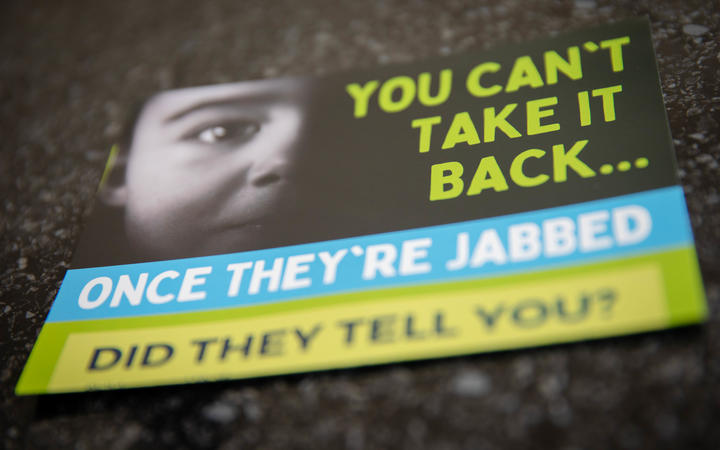
The Advertising Standards Authority (ASA) Complaints Board received 56 complaints about two ads discouraging mask use, and 45 complaints about claims about the children’s vaccine.
An anti-vaccine leaflet delivered to households in Wellington by Voices for Freedom Photo: RNZ / Angus Dreaver
Some complainants were also concerned about suggestions in the ads that the Authority was endorsing their claims.
The board says the ads are in breach of the Advertising Standards Code.
ASA chief executive Hilary Souter said while freedom of expression was protected under the Bill of Rights, that must be balanced with the public health impact of misinformation during a pandemic.